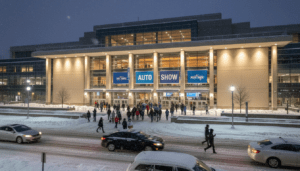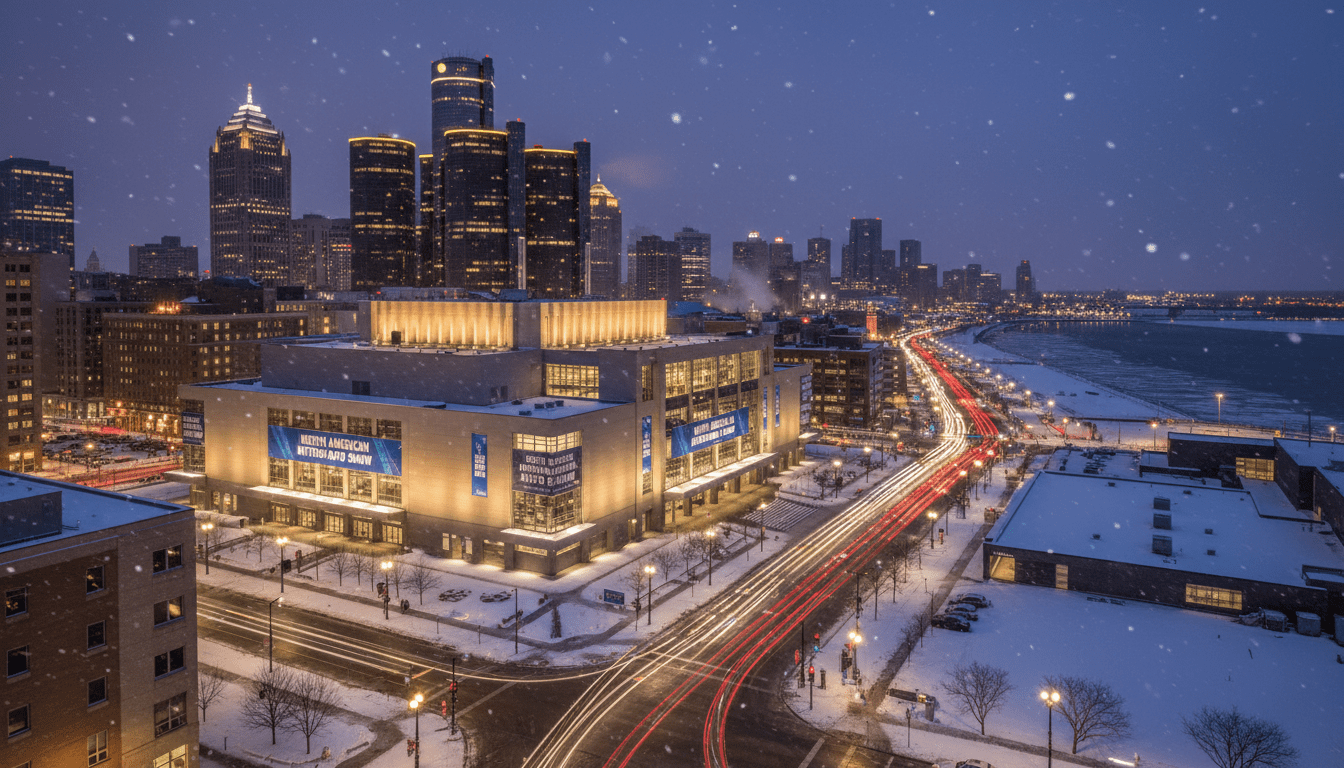
After a brief experimental period with autumn dates, the North American International Auto Show (NAIAS)—colloquially known as the Detroit Auto Show—is officially returning to its traditional January timeslot in 2025. For city officials, local business owners, and economic analysts, the move signals more than just a calendar adjustment; it represents a critical revitalization strategy expected to inject hundreds of millions of dollars into the local economy during what is historically the quietest month of the year.
The decision to move the show back to the winter, starting January 10, 2025, comes after feedback from stakeholders who noted that while the September weather was pleasant, the economic footprint of the fall shows did not match the intensity of the traditional winter events. According to projections from the Detroit Metro Convention & Visitors Bureau (Visit Detroit), the return to January is anticipated to restore the massive economic ripple effect that has historically defined the event.
The Return to January: Why It Matters
For decades, the Detroit Auto Show was the premier global stage for automotive unveilings, timed perfectly to kick off the new year. The shift to September was initially intended to utilize outdoor spaces and engage with a broader consumer base. However, the economic reality for the city of Detroit has favored the winter schedule.
Local economists point out that September is already a busy month for Michigan, filled with festivals, sporting events, and pleasant weather that draws people outdoors regardless of major conventions. January, conversely, is a period of low hotel occupancy and reduced foot traffic for downtown restaurants. By placing a global event in the dead of winter, the show acts as a singular anchor for tourism.
“The return to January allows the Detroit Auto Show to reclaim its position as the kick-off event for the global automotive industry,” said Rod Alberts, executive director of the Detroit Auto Show, in a press statement. “But beyond the industry prestige, the impact on our local hospitality sector is undeniable. We are filling hotel rooms and restaurants at a time when they need it most.”
Projected Economic Impact by the Numbers
While exact figures will depend on final attendance, historical data paints a promising picture. Before the pandemic and the schedule shift, the NAIAS reportedly generated an estimated economic impact of $350 million to $450 million annually for the regional economy. This figure encompasses direct spending on hotels, dining, transportation, and setup services, as well as indirect spending through the supply chain.
According to data from Visit Detroit, major citywide conventions are the lifeblood of the downtown service industry. The 2025 show is expected to draw substantial international media presence and industry executives, a demographic that typically commands higher per-capita spending than general admission attendees.
Hoteliers are already preparing for the surge. Several downtown properties have reported a spike in bookings for the weeks surrounding the January 2025 dates. Visit Detroit has emphasized that maximizing hotel occupancy in Q1 is vital for the yearly financial health of the city’s hospitality sector.
Impact on Detroit Residents and Small Businesses
For the average Detroit resident, the return of the auto show brings a mix of bustling activity and economic opportunity. While traffic congestion around Huntington Place and the downtown core is inevitable, the trade-off is a surge in temporary employment and sustained business for local establishments.
Local business owners in the Corktown and Midtown neighborhoods report that the “January Effect” of the auto show is tangible. Unlike the September shows, where visitors might disperse to outdoor venues or stay in the suburbs, the winter weather tends to concentrate activity within the city center and immediate surroundings, utilizing the People Mover and the QLINE.
Restaurant owners near Shelby Street and Woodward Avenue have expressed relief at the schedule change. In reported discussions with the Downtown Detroit Partnership, several proprietors noted that January revenue often drops by 30-40% compared to other months. The auto show historically bridges that gap, allowing restaurants to retain staff hours following the holiday rush. For more on how local commerce is adapting, read our coverage on Detroit’s evolving small business landscape.
Workforce and Infrastructure
The economic impact extends beyond just tourism dollars. The setup and teardown of the massive exhibits at Huntington Place require a significant local workforce. Carpenters, electricians, teamsters, and stagehands see a considerable boost in hours during the months leading up to and following the show.
Furthermore, the city has continued to invest in infrastructure to support such large-scale events. Improvements to the riverfront and the ongoing developments in the downtown development zones are designed to handle the influx of global visitors. The 2025 show will be a litmus test for how well the city’s recent transit and hotel expansions can accommodate the traditional high-density crowds of a winter auto show.
Industry Trends: EVs and Technology
The economic viability of the show also depends on the participation of the “Detroit Three”—General Motors, Ford, and Stellantis—along with international brands. The 2025 iteration is expected to focus heavily on electric vehicle (EV) adoption and battery technology, aligning with federal and state incentives pushing for a green transition.
Analysts suggest that as Detroit solidifies its reputation as a hub for EV manufacturing, the Auto Show serves as the primary storefront for this technology. A successful show validates the billions of dollars invested in local assembly plants and battery factories, reinforcing investor confidence in the region’s manufacturing base.
What Happens Next
As January approaches, the city is coordinating with law enforcement and transit authorities to manage the logistics of the return. The success of the 2025 show is likely to set the cadence for the next decade of automotive events in the city.
With the global auto industry facing headwinds regarding EV profitability and supply chains, a strong showing in Detroit is more than a celebration of cars; it is a necessary injection of capital and confidence into the Motor City’s veins. For Detroiters, the roar of the auto show returning to winter sounds a lot like opportunity.