For years, the narrative surrounding the Motor City has focused on its affordability relative to other major metropolitan hubs. While national headlines often highlight Detroit’s accessible entry price for homeownership, the day-to-day reality for locals is a complex equation of rising utility rates, fluctuating property assessments, and some of the highest auto insurance premiums in the country. Understanding the true cost of living in Detroit requires looking beyond the sticker price of a home and examining the total operational costs of residing in the city.
According to recent data from the U.S. Bureau of Labor Statistics, the Detroit-Warren-Dearborn area has seen consumer prices fluctuate in line with national inflation trends, though specific sectors like energy and shelter continue to place unique pressure on local wallets. For current residents and those considering a move to the city, navigating these financial waters requires a clear understanding of where the money actually goes.
Housing: Low Entry, Rising Upkeep
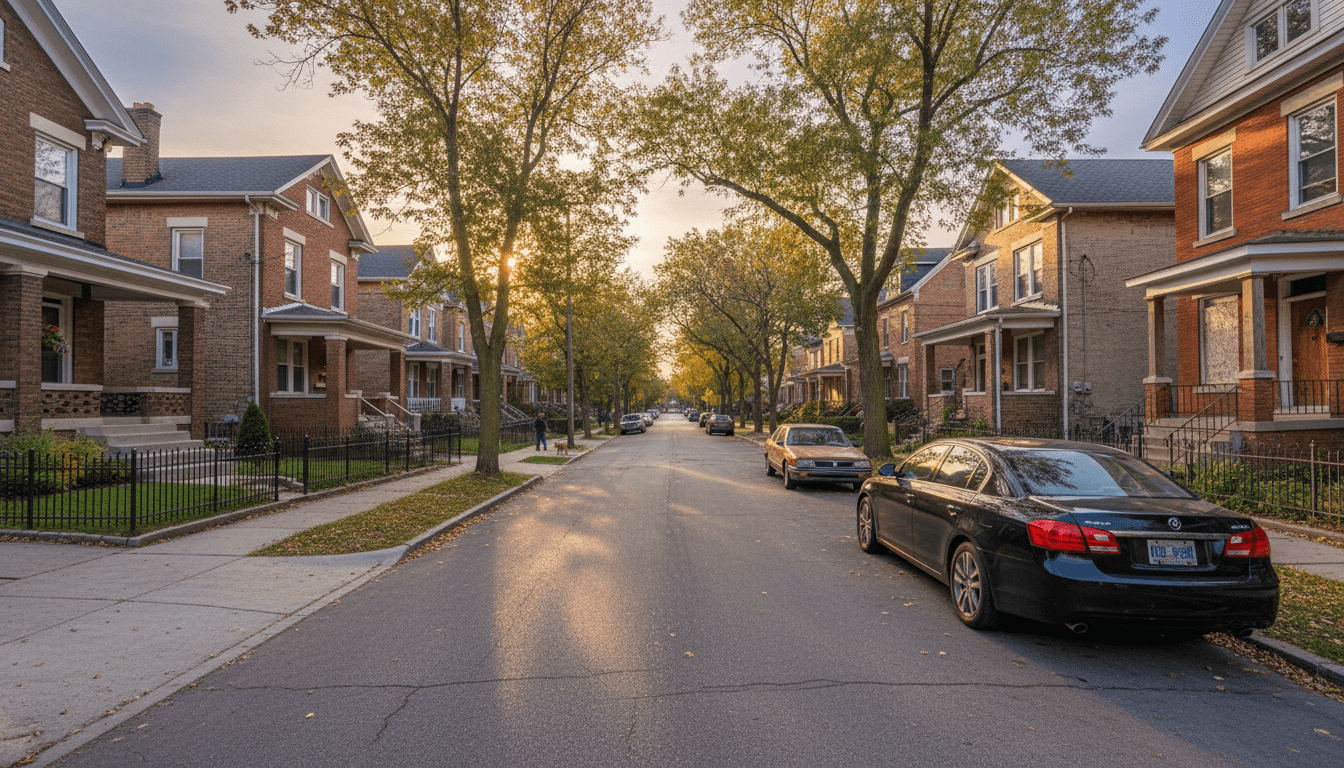
Housing remains the primary driver for Detroit’s reputation as an affordable city. Data from Payscale indicates that Detroit’s housing expenses are significantly lower than the national average—often cited as much as 16% to 20% lower depending on the neighborhood. However, the initial purchase price or monthly rent is only part of the story.
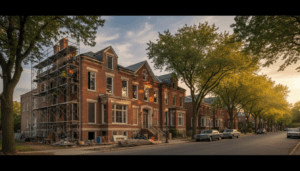
In recent years, property values across the city have risen, leading to increased property tax assessments. While the City of Detroit has implemented measures to prevent over-assessment, long-time residents have reported feeling the squeeze of higher tax bills that accompany neighborhood revitalization efforts. For renters, the market is tightening. As development booms in areas like Midtown and Corktown, rental prices in these districts have begun to rival those in more expensive Midwest cities, though neighborhoods further from the Woodward corridor remain more accessible.
Prospective buyers must also factor in the cost of renovations. Many of the city’s affordable homes require significant capital improvements, pushing the effective cost of living in Detroit higher than the listing price suggests. For more insights on current property trends, readers can view our analysis on Detroit housing market shifts.
The Auto Insurance Burden
Perhaps the most distinct factor impacting the cost of living in Detroit is transportation. Unlike cities with robust subway systems, Detroit remains a car-centric metropolis. While gas prices generally track with the Midwest average, auto insurance rates are a notorious financial hurdle for residents.
Despite Michigan’s 2020 auto insurance reform aimed at lowering premiums, Detroit drivers still pay some of the highest rates in the nation. Local insurance analysts estimate that Detroit residents can pay more than double the national average for full coverage. This disparity is often attributed to the density of claims and state-specific personal injury protection requirements. For a household with two cars, this single line item can cost as much as a mortgage payment in other parts of the state.
Utilities and Daily Expenses
Energy costs are another critical component of the monthly budget. DTE Energy, the primary provider for the region, has requested and received rate increases in recent years to fund infrastructure updates. During the harsh Michigan winters, heating bills for older, less energy-efficient homes can spike dramatically.
Food prices in the metro area have also seen an uptick. While the Consumer Price Index (CPI) for food in the Midwest region has stabilized somewhat compared to the post-pandemic peak, local grocery availability varies by neighborhood. Residents in areas identified as food deserts may rely on higher-priced convenience stores or travel further to reach major supermarkets, adding fuel costs to their grocery bill.
Impact on Detroit Residents
The shifting economic landscape affects different demographics in the city in starkly different ways. For new residents moving from coastal cities like New York or San Francisco, Detroit still offers an incredible value proposition. The ability to purchase a historic home for under $300,000 is a draw that outweighs the higher insurance premiums for high-earners.
However, for long-time residents and those on fixed incomes, the rising cost of living in Detroit presents a serious challenge. Community advocates have pointed out that while wages in the metro area have grown, they often lag behind the pace of inflation for essential services. The “hidden” costs—taxes, insurance, and utilities—eat into disposable income, making it difficult for legacy residents to benefit from the city’s economic resurgence.
Local business owners are also adapting. Restaurants and service providers have had to adjust prices to cope with their own rising supply chain costs, passing those increases on to consumers. This creates a cycle where the cost of dining out or hiring local services creeps higher, altering the lifestyle affordability that Detroit is known for.
Economic Outlook and Support
Looking ahead, city officials and economic planners are focused on mitigating these rising costs through various programs. The City of Detroit continues to promote property tax exemptions for qualifying low-income homeowners through the HOPE program (Homeowners Property Exemption). Additionally, efforts to improve regional transit could eventually reduce the dependency on private vehicles, alleviating the insurance burden, though such infrastructure projects are long-term goals.
For those navigating the local economy, staying informed on tax abatements and utility assistance programs is vital. As the city continues its trajectory of growth, the balance between development and affordability will remain a central topic of discussion. You can read more about local infrastructure projects affecting these costs in our coverage of Detroit’s transit expansion plans.
Ultimately, while Detroit remains competitively priced compared to national averages, the financial reality requires a detailed budget that accounts for the specific, localized expenses that come with calling this historic city home.