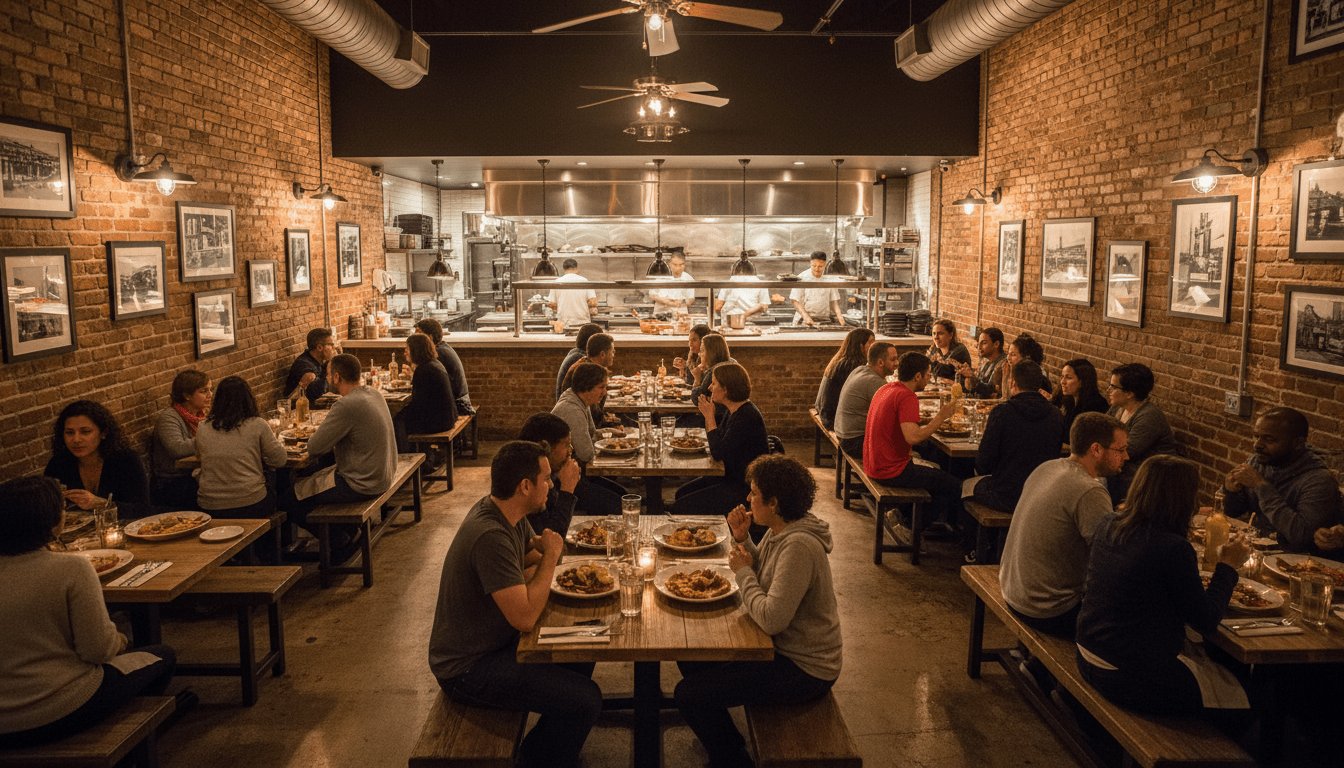
While the winter holidays often bring a surge of patrons to dining establishments across Wayne County, the transition into spring and summer presents a different set of challenges for the hospitality industry. As inflation persists and operational costs rise, industry experts are emphasizing that sustainable, year-round support for Detroit restaurants is more critical now than during the height of the pandemic restrictions.
The narrative surrounding local dining has shifted. Two years ago, the focus was on survival amidst lockdowns. Today, the conversation, led by organizations like the Michigan Restaurant & Lodging Association (MRLA), centers on long-term viability in an era of thinning margins and labor shortages.
The Economic Reality for Restaurateurs
For many business owners in Detroit, the “post-pandemic” recovery phase has proven to be as complex as the crisis itself. According to data from the National Restaurant Association, food costs have risen significantly over the last 18 months. This inflation forces owners to make difficult decisions regarding menu pricing and staffing levels.
Local economists point out that while revenue might appear to be returning to 2019 levels for some establishments, the profit margins are drastically different. Higher utility rates in the city, combined with increased costs for ingredients—ranging from cooking oil to produce—mean that a busy Friday night does not necessarily translate to a surplus in the bank account.
“The cost of doing business has fundamentally changed,” reports the MRLA in their recent industry outlook. For Detroit restaurants, particularly independent operators in neighborhoods like Corktown, Southwest Detroit, and the Avenue of Fashion, the buffer provided by federal relief funds has largely evaporated. This leaves daily cash flow as the primary lifeline.
Furthermore, the labor market remains tight. To attract and retain talent, many Detroit establishments have rightfully increased wages and improved benefits. While this is a positive development for the local workforce, it necessitates a consistent revenue stream that seasonal spikes alone cannot support.
Impact on Detroit Residents and Neighborhoods
The health of the local hospitality sector is inextricably linked to the broader financial well-being of the city. Restaurants serve as anchor tenants in revitalized corridors. When a neighborhood bistro or a long-standing diner thrives, it drives foot traffic that benefits adjacent retail stores and service providers.
Conversely, when these businesses shutter, the impact is felt immediately in the form of lost jobs and vacant storefronts. Detroit development projects often rely on a vibrant street-level commercial scene to attract residents to new housing units. Without active restaurants, the walkability and appeal of neighborhoods from Midtown to West Village diminish.
For Detroit residents, supporting these businesses is a direct investment in their community. Economists frequently cite the “local multiplier effect,” which suggests that for every dollar spent at an independent local business, a significantly higher percentage remains in the local economy compared to spending at national chains. This money circulates through wages paid to local staff, payments to local food suppliers, and taxes that fund city services.
Shifting Consumer Habits
The call for support is not merely a request for residents to dine out more frequently, which may not be financially feasible for everyone, but to be intentional about where they spend their discretionary income. Industry advocates suggest that shifting just a fraction of monthly dining budgets from national franchises to locally-owned Detroit restaurants can have a stabilizing effect on the market.
Furthermore, the definition of support has expanded. It now includes:
- Mid-week Patronage: Visiting establishments on Tuesdays or Wednesdays helps smooth out the revenue valleys between weekend peaks.
- Direct Ordering: Ordering takeout directly through a restaurant’s website rather than third-party apps, which can charge commissions as high as 30%.
- Patience and Tipping: acknowledging that staffing levels are still stabilizing.
Background & Data: The Industry Outlook
According to the U.S. Census Bureau and ongoing tracking by the City of Detroit’s economic development partners, the food services sector is one of the largest employers in the region. However, the churn rate—the rate at which businesses open and close—remains high.
A recent report highlighted by the Michigan Restaurant & Lodging Association indicates that while consumer demand is strong, the “share of stomach” is being fiercely contested. Fast-casual chains with the ability to absorb supply chain shocks are gaining ground, putting pressure on the unique, independent spots that give Detroit its culinary identity.
“We are seeing a resilience in the Detroit food scene that is unmatched,” noted a spokesperson for a local business coalition during a recent town hall. “But resilience has a limit. We need to move from an emergency mindset to a sustainability mindset. That means consistent patronage year-round, not just during Restaurant Week or the holidays.”
What Happens Next?
Looking ahead to the summer, the city is expected to continue its support of outdoor dining zones, a holdover from the pandemic that proved popular among residents. These “streateries” allow Detroit restaurants to expand capacity without incurring the cost of physical expansion.
However, infrastructure improvements are needed to make these permanent fixtures viable. City officials are currently reviewing zoning and noise ordinances to balance a vibrant nightlife with residential needs. As infrastructure updates roll out across the city, business owners are hopeful that improved lighting and walkability will further encourage year-round dining.
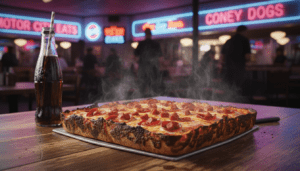
Ultimately, the survival of Detroit’s celebrated food scene—from the Coney Islands to James Beard Award-winning kitchens—depends on a partnership between the proprietors and the public. By viewing dining out as a form of community investment, Detroiters can ensure their favorite tables are still there next year.