The marquee lights of the historic Fisher Building are set to shine brighter this year as Broadway in Detroit unveils its highly anticipated lineup for the 2024-2025 season. For decades, the venue has served as a cultural anchor for the city, but this year’s slate of Fisher Theatre shows Detroit residents can expect represents a significant return to pre-pandemic momentum, featuring a mix of returning blockbusters and fresh Tony Award-winning productions.
According to announcements from The Nederlander Organization, which manages the venue, the upcoming season is projected to draw hundreds of thousands of patrons to the New Center area. This influx is not only a win for arts enthusiasts but a critical economic driver for local businesses striving to maintain the district’s revitalization trajectory.
A Season of Heavy Hitters
The upcoming calendar features a diverse array of performances designed to appeal to a wide demographic. Broadway in Detroit has confirmed that the season will be anchored by major touring productions that have historically performed well in the Midwest market. Among the highlights are the return of The Lion King, a production that has consistently sold out during previous Detroit engagements, and the Detroit premiere of Back to the Future: The Musical.
“The selection process for this season was about balancing nostalgia with innovation,” said a spokesperson for Broadway in Detroit in a press statement. “We are bringing shows that have defined a generation, alongside new works that are currently reshaping the conversation on Broadway.”
In addition to these headliners, the schedule includes limited engagements of Chicago and the family-favorite Peter Pan. This blend of programming ensures that the Fisher Theatre shows Detroit audiences experience rival those found in New York or Chicago, cementing the city’s reputation as a tier-one tour stop.
Impact on Detroit Residents and New Center Economy
While the artistic value of the season is clear, the practical impact on Detroit residents—specifically those living and working in the New Center neighborhood—is equally significant. The influx of theatergoers creates a distinct micro-economy surrounding the Fisher Building.
Local restaurant owners have noted that show nights result in a revenue spike of anywhere from 30% to 50% compared to dark nights. Establishments along West Grand Boulevard and Second Avenue often rely on the pre-theater dinner rush to sustain operations throughout the year.
“When there is a show at the Fisher, the energy in the neighborhood completely changes,” said the manager of a nearby bistro. “It’s not just about selling dinners; it’s about foot traffic, safety perception, and people realizing that New Center is a destination.”
However, the surge in attendance also brings logistical considerations for locals. Parking density and traffic congestion during peak showtimes remain ongoing challenges. To mitigate this, Detroit transportation officials have been working on optimizing traffic flow on Grand Boulevard, and private parking operators have expanded capacity in nearby structures to accommodate the evening crowds.
Historical Context and Cultural Significance
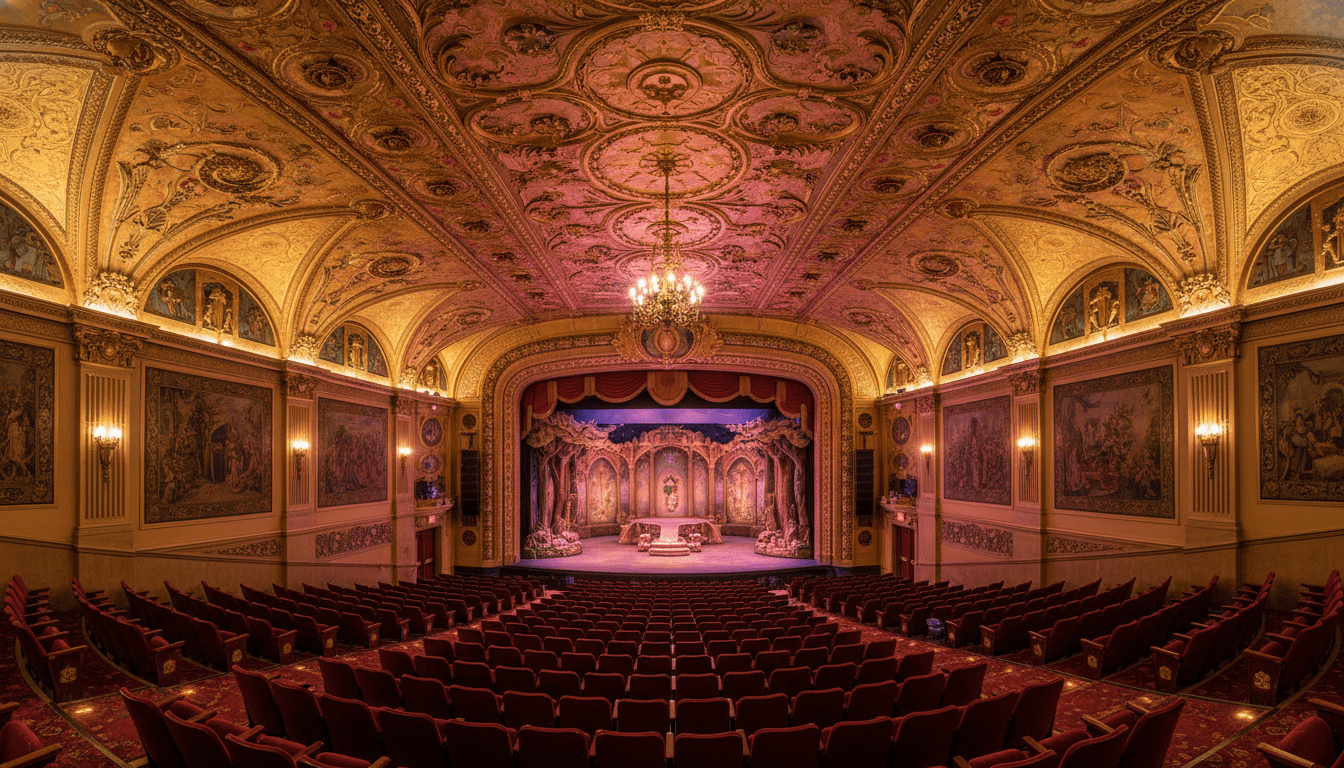
To understand the importance of the current slate of Fisher Theatre shows Detroit is hosting, one must look at the venue’s history. Opened in 1928 as a movie and vaudeville house, the Fisher Theatre was remodeled in 1961 into a legitimate theater specifically designed for Broadway productions. It has since become one of the country’s oldest and most respected touring houses.
Data from Visit Detroit indicates that cultural tourism is a leading driver of visitors to the city, with the Fisher Theatre serving as a primary pillar alongside the Detroit Opera House and the Fox Theatre. The preservation of this venue is not merely about entertainment; it is about maintaining a piece of Detroit’s architectural sovereignty.
The Fisher Building itself, known as “Detroit’s Largest Art Object,” continues to attract architecture buffs even when no show is playing. However, the active programming ensures the building remains a living, breathing part of the city’s economy rather than a static museum piece.
Analyzing the Market Trends
The theater industry has faced significant headwinds following the 2020 lockdowns, but Detroit’s market has shown resilience. According to reports from The Broadway League, touring productions are seeing a robust recovery, particularly in the Midwest. Detroit’s sales figures often outpace comparable cities, signaling a strong local appetite for live performance.
This resilience is vital for future Detroit development projects in the area. Developers often cite cultural amenities like the Fisher Theatre as key selling points when proposing new residential or mixed-use projects in New Center. A successful theater season validates these investments, proving that the neighborhood can sustain high-density foot traffic and commerce.
What Happens Next
Individual tickets for the 2024-2025 season are rolling out in phases, with subscription packages already seeing high renewal rates. For Detroit residents, the upcoming months promise a vibrant cultural calendar that extends beyond the stage.
As the season progresses, Broadway in Detroit is also expected to announce additional special engagements and educational workshops for local students, further integrating the institution into the fabric of the community. For now, the focus remains on the curtain rising for what promises to be one of the venue’s most successful financial years in recent history.