DETROIT — As state capitals across the nation debate the future of urban infrastructure, Lansing lawmakers and the Michigan Department of Transportation (MDOT) are moving forward with a slate of transformative Detroit transportation projects designed to reshape how residents navigate the Motor City. While other states like Oregon are currently wrestling with their own transportation packages, Michigan officials are solidifying plans that focus on reconnecting divided communities and modernizing regional transit options.
The push comes at a critical time for Detroit. With federal infrastructure dollars flowing and a renewed focus on correcting the urban planning errors of the mid-20th century, the city stands on the precipice of its most significant physical transformation in decades. Central to this legislative and departmental advance is the conversion of the I-375 freeway into a surface-level boulevard and the ongoing efforts to unify the region’s fragmented public transit systems.
MDOT and the I-375 Reconnecting Communities Project
The centerpiece of the current Detroit transportation projects is the long-awaited removal of I-375. Built in 1964, the sunken freeway decimated the historic Black Bottom and Paradise Valley neighborhoods, displacing thousands of Black residents and businesses. Today, MDOT is advancing the timeline for filling in the trench and creating a boulevard that aims to reconnect downtown Detroit with the Eastern Market and surrounding neighborhoods.
According to data from the Michigan Department of Transportation (MDOT), the project has secured over $100 million in federal funding via the Reconnecting Communities Pilot Program, supplemented by substantial state investment. State officials emphasize that this is not merely a road construction project but a restorative justice initiative.
“We are not just building a road; we are attempting to heal a scar that has divided this city for nearly 60 years,” an MDOT spokesperson stated during a recent community engagement briefing. “The legislative support we are seeing in Lansing ensures that we have the matching funds necessary to keep this project on an aggressive timeline, with major construction slated to begin as early as 2025.”
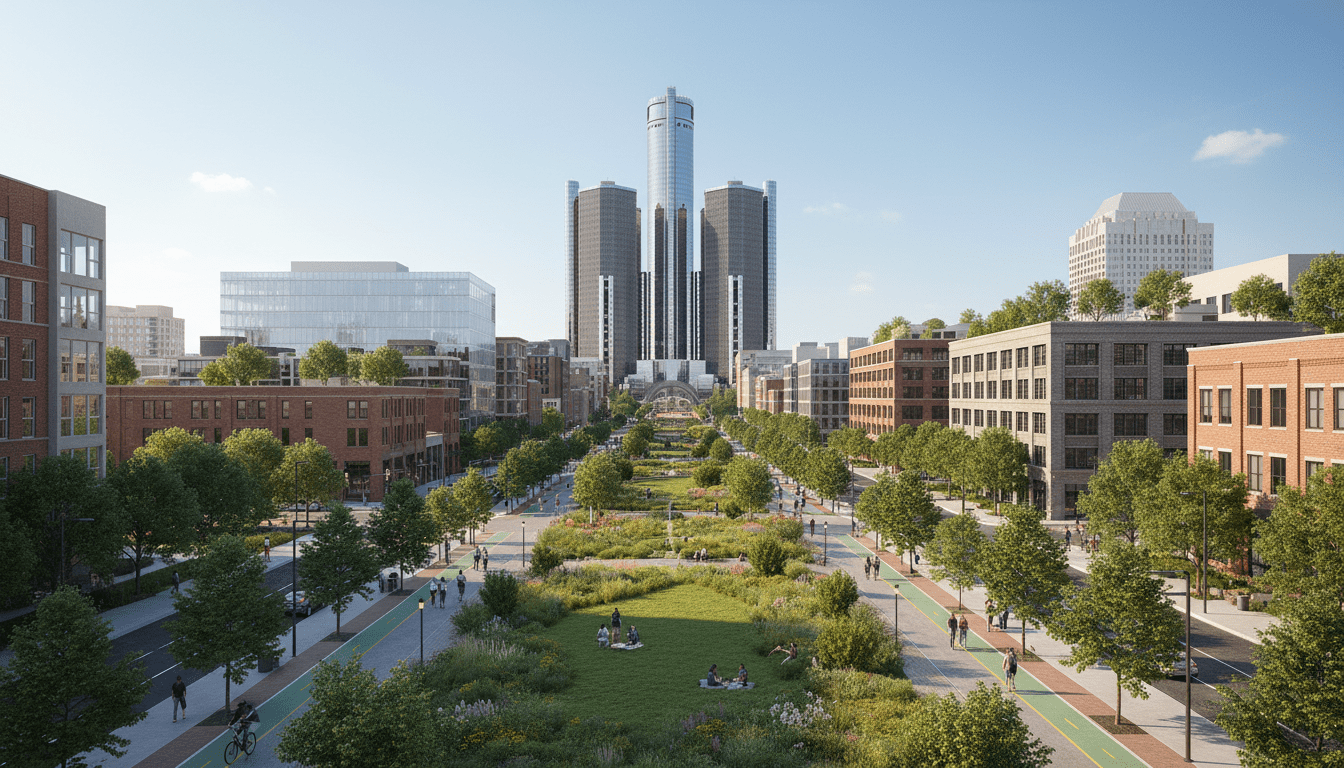
The new design will feature a slower, pedestrian-friendly boulevard with wide sidewalks, protected bike lanes, and excess land available for development. This land is expected to be used for affordable housing and community spaces, addressing a key concern for local activists who fear gentrification.
Regional Transit Authority (RTA) Gains Momentum
Beyond the asphalt of the freeways, legislative discussions in Lansing are also bolstering the efforts of the Regional Transit Authority of Southeast Michigan (RTA). For decades, Detroit has been plagued by a disjointed transit system where suburban bus lines (SMART) and city lines (DDOT) operated in silos. Recent moves to transfer the operations of the QLINE streetcar to the RTA signal a shift toward a more unified governance model, a move supported by many state lawmakers.
Local business owners along the Woodward Corridor have expressed cautious optimism regarding these changes. “If we can get a single, reliable system that connects Ferndale to downtown without the confusion of different passes and schedules, it changes everything for my employees,” said Marcus Turner, a restaurant owner in Midtown. “We need the state legislature to continue prioritizing operational funding for the RTA so this isn’t just a one-time fix.”
According to the City of Detroit’s transportation outlook, a unified transit system could increase ridership by reducing wait times and improving transfer seamlessness. The RTA’s expanding role is seen as a precursor to potential future ballot measures that could secure dedicated, long-term funding for rapid transit lines that have eluded the region for decades.
Impact on Detroit Residents
For the average Detroiter, these high-level Detroit transportation projects translate to tangible changes in daily life. The conversion of I-375 is expected to alter traffic patterns significantly. While some commuters worry about potential congestion during the transition from a freeway to a boulevard, urban planners argue that the disperse grid will actually improve flow during non-peak hours and drastically increase safety for pedestrians.
Residents in the Lafayette Park and Elmwood Park neighborhoods will see the most immediate impact. Currently cut off from the city center by a concrete canyon, these residents will gain direct, walkable access to downtown amenities. Furthermore, the inclusion of dedicated bike lanes fits into the city’s broader “Streets for People” initiative, which aims to reduce Detroit’s reliance on cars for short trips.
“For years, I’ve had to drive to get to Eastern Market even though it’s visually right there,” said Sarah Jenkins, a resident of Lafayette Park. “If they actually build this boulevard with safe crossings, I could walk there with my kids. That changes how we live in this neighborhood.”
Background & Data: Funding and Timelines
The financial backbone of these initiatives relies on a mix of state and federal sources. Data from the U.S. Census Bureau indicates that while Detroit’s population has stabilized, the region’s commuting patterns have shifted, with more residents working hybrid schedules or requiring flexible transit options rather than traditional 9-to-5 commuter routes. This shift supports the state’s pivot toward multi-modal infrastructure rather than just highway expansion.
The legislative budget approved in Lansing allocates specific matching funds required to unlock federal infrastructure grants. Without this state-level action, Detroit would leave millions of federal dollars on the table. The total cost of the I-375 project is estimated to exceed $300 million, with the state covering the gap left by federal grants.
For more on how these changes affect local real estate, read our coverage on Detroit housing market trends. Additionally, understanding the commercial impact is vital, as detailed in our analysis of new business developments in the downtown core.
What Happens Next?
As the Michigan Legislature finalizes budget allocations for the upcoming fiscal year, the focus will turn to implementation. MDOT is currently in the final design phase for the I-375 project, with environmental clearances largely secured. The next major hurdle will be the community benefits ordinance process, ensuring that the land created by filling the highway is used equitably.
Simultaneously, the RTA is expected to release a detailed integration plan for the QLINE and potential new connector routes later this year. Detroiters can expect to see a summer of construction cones and public hearings, signaling that after years of planning, the physical transformation of the city’s infrastructure is finally underway.
While Detroit may not be passing a singular “transportation package” identical to legislative moves in Oregon or other states, the cumulative effect of the I-375 project, RTA consolidation, and state funding creates a comprehensive infrastructure overhaul that will define the city for the next century.