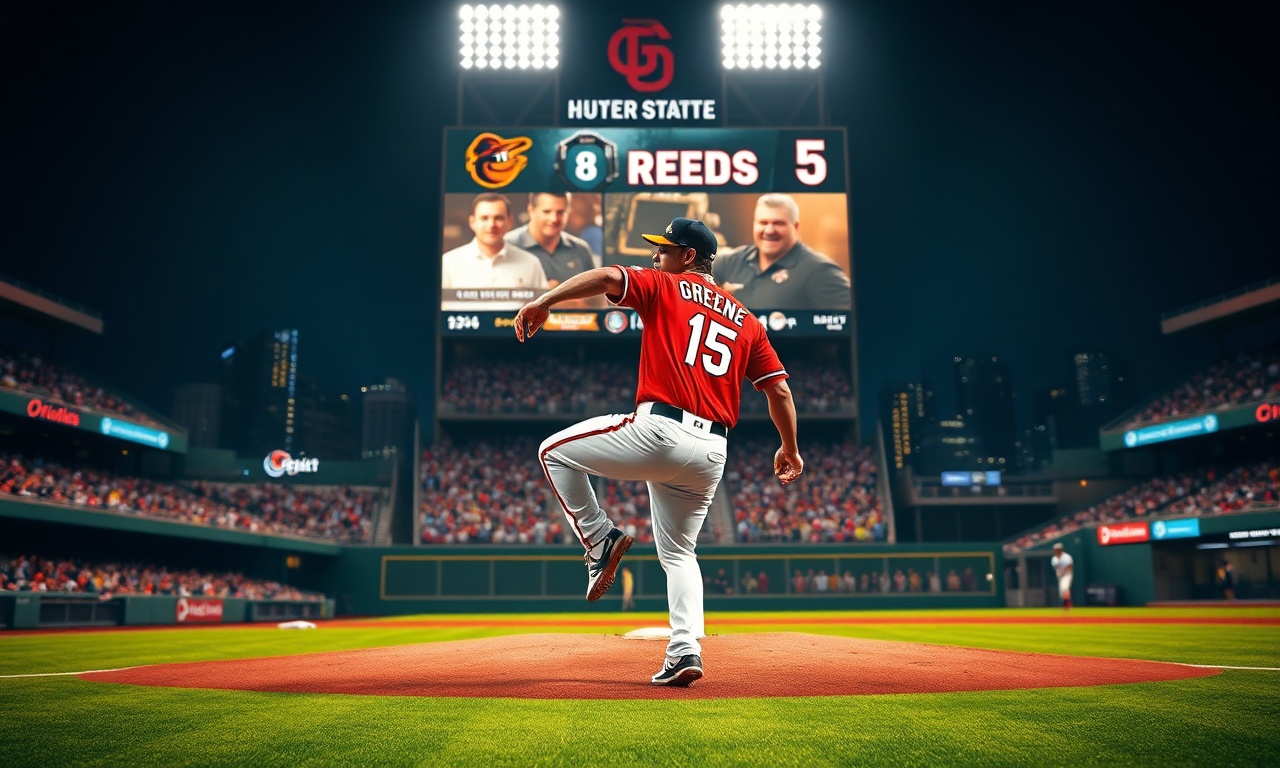
The Detroit Reds news cycle turned quickly from anticipation to disappointment as the Reds fell 8-5 to the Orioles in Game 2, following Hunter Greene season debut that drew attention across the AL East rivalry. The matchup, which carried playoff-level urgency even in the early stages of the series, highlighted how quickly pitching, timely hitting, and bullpen execution can swing a game—especially when both teams are chasing momentum in a tight stretch.
With Detroit-area fans watching closely, the game’s storyline centered on Greene’s return to the mound. After a debut that brought heightened expectations, the Reds ultimately couldn’t overcome a multi-run swing that put them behind in the middle innings. Still, Greene’s presence changed the complexion of the starting rotation conversation for the weeks ahead, even as the final score landed as Reds vs Orioles score 8-5.
Main Section
On the evening of the Orioles vs Reds matchup, the Orioles jumped out to early leverage and kept pressure on the Reds’ offense during key at-bats. The Reds managed to answer at moments, but the Orioles’ ability to string together baserunners—followed by aggressive swings on pitches they could drive—proved difficult to blunt.
Greene’s Hunter Greene season debut was the clear focal point. According to MLB game logs and team communications posted through official league and club channels, Greene’s outing represented a significant milestone in the organization’s run-prevention strategy. Observers noted that his debut looked like the kind of performance that can set a tone: even when results don’t fully go the Reds’ way, an impact starter can influence how hitters approach the strike zone for multiple innings.
However, a season debut also carries variables—pitch count management, sequencing decisions, and the reality that timing and command typically continue to sharpen after a first appearance. The Reds’ staff adjusted, but once the Orioles built their lead, Detroit’s club couldn’t consistently convert opportunities into runs fast enough to close the gap.
In the final tally, the scoreboard reflected that balancing act: Orioles vs Reds ended 8-5, with the Orioles holding enough edge to survive the Reds’ late push. The Reds scored to keep the game alive, but the Orioles’ bullpen managed the margin when the game tilted toward high-leverage innings.
How the game shifted after Greene’s debut
From the first inning to the point where Greene exited his outing, the Reds’ approach appeared geared toward controlling the pace—using Greene’s effectiveness to limit damage and then turning to the bullpen to sustain the number. Yet the Orioles repeatedly found moments to put pressure on base paths, drawing attention to how quickly one inning can reshape the entire game plan.
That’s where Detroit-area fans saw the difference between “close enough” and “put it away.” When the Orioles extended their lead, they did so with enough run production to force the Reds into a more urgent, less controllable hitting posture. In a series where each game has meaning, that margin matters.
Impact on Detroit Residents
For Detroit residents who follow regional sports closely, a series matchup like Reds vs Orioles score 8-5 is more than a headline—it’s part of how local audiences connect to the broader baseball ecosystem. While the game itself was played elsewhere, the attention it draws affects sports media cycles, local viewing habits, and community conversation around the Reds and player development.
According to a 2023 report from Sports Business Journal on how spring and early-season storylines influence fan engagement, marquee player milestones tend to increase local and national media attention, which can boost attendance interest and watch-party activity for the next slate of games. Greene’s season debut—as a high-profile pitching return—fit that pattern, even if the result did not.
In addition, Detroit’s sports economy reflects broader consumer behavior. When team performance generates coverage, it can drive demand for local sports bars, watch events, and game-day promotions—particularly within the weeks leading up to major league calendar milestones. Even a Game 2 loss can affect how fans weigh the value of attending upcoming matchups, especially when the series narrative turns on pitching health and roster momentum.
For families and casual fans, Greene’s return offers a recognizable anchor point: it’s a tangible reason to watch beyond the final score. For more dedicated followers, the way the Reds respond in the next game becomes equally important—because the club now has to translate Greene’s debut into the kind of sustained performance that produces wins rather than near-misses.
Background & Data
Baseball outcomes tend to compress quickly: a three-run inning can outweigh multiple solid innings later, and bullpen leverage often defines who controls the endgame. That dynamic is especially visible in head-to-head matchups like Orioles vs Reds, where both teams typically prioritize pitching matchups and disciplined at-bats against divisional-caliber lineups.
Data from Baseball-Reference and MLB’s official stats tracking show that early-season performance can differ from later in the year due to workload management, lineup adjustments, and the continuing development of pitch command. For pitchers returning from downtime, a first major appearance often looks different than the peak form hitters prepare for later. That’s one reason Greene’s Hunter Greene season debut matters: it provides a baseline and offers immediate signals about the direction of the rotation.
At the same time, Detroit fans should weigh the scoreboard in context. A loss by three runs—Reds vs Orioles score 8-5—still leaves multiple paths to improvement: limiting extra-base damage, tightening bullpen sequencing, and converting at-bats when pitchers make mistakes. The Orioles’ ability to capitalize on key pitches underscores why teams in competitive stretches can’t afford to give innings away, even briefly.
What Happens Next
The Reds now face a practical challenge: maintain the momentum of player reintegration while correcting the execution gaps that kept the score from swinging fully their way. Greene’s debut provides a cornerstone, but the series response will decide whether this outing becomes a turning point or merely a moment in a broader adjustment phase.
In the next game, Detroit-area watchers can expect the Reds to continue refining how they deploy pitchers—particularly in the late innings—while addressing the offensive patterns that allowed the Orioles to control the run environment. If the Reds can reduce the size of innings where they fall behind, their margin for error increases dramatically.
For fans tracking Detroit MLB headlines, the storyline will likely shift from Greene’s first game back to how the club plays under pressure after a Game 2 loss. The AL East rivalry angle adds urgency: matchups between strong opponents tend to reward teams that adjust quickly and consistently, not just occasionally.
Bottom line: the Reds fell 8-5 in Game 2, but Greene’s season debut offered Detroit supporters something to build on. Next steps will hinge on whether the Reds can turn competitive innings into decisive ones—so the scoreboard reflects progress, not just promise.