The future of public transportation in Detroit is entering a critical new phase as the QLINE transitions from private operation under M-1 Rail to public ownership under the Regional Transit Authority of Southeast Michigan (RTA). While cities across the country, such as Portland, continue to move forward with aggressive streetcar expansion studies, Detroit officials and transit advocates are hopeful that the recent governance shift will finally pave the way for a more robust, connected rail network in the Motor City.
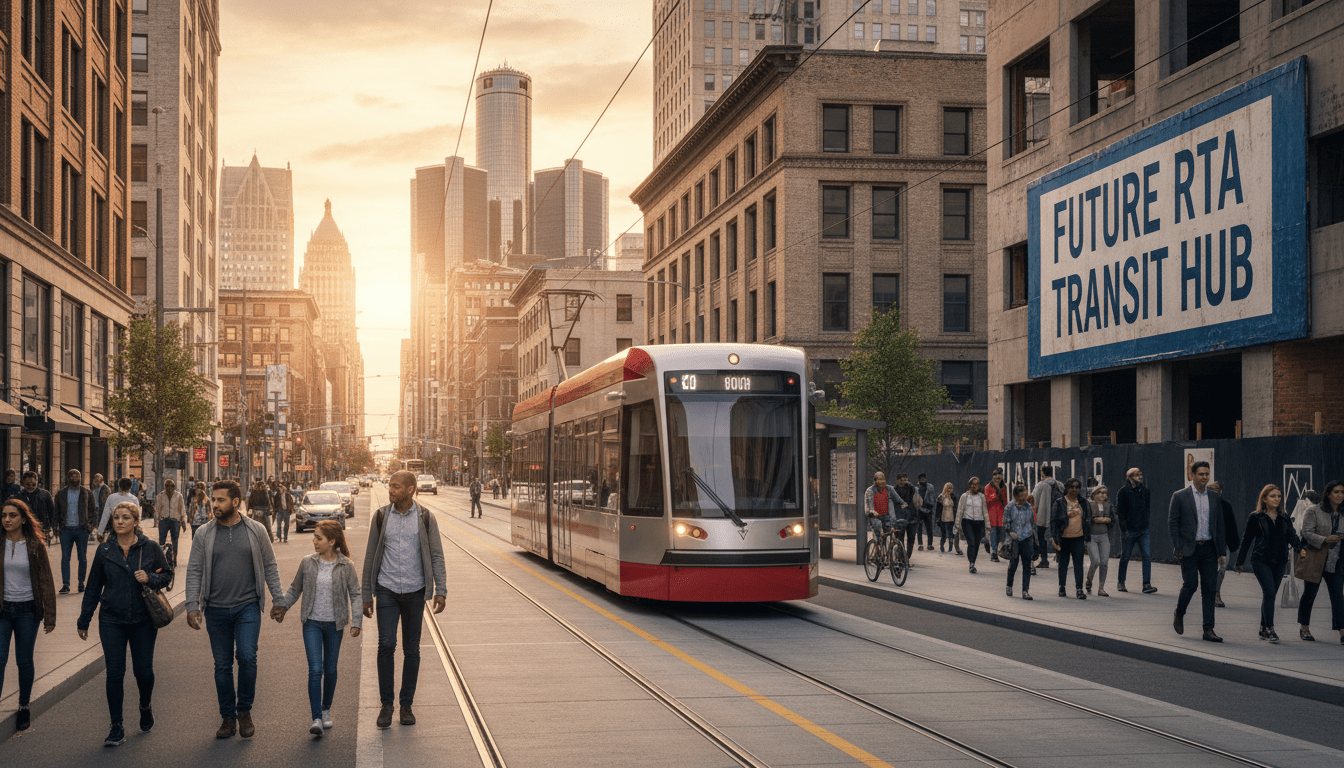
For years, the QLINE has operated as a 3.3-mile circulator on Woodward Avenue, serving primarily as a developmental catalyst rather than a regional transit backbone. However, the transfer to the RTA is widely seen as the necessary first step toward securing the state and federal funding required for true Detroit streetcar expansion. As other metropolitan areas demonstrate the economic and social value of extended streetcar networks, Detroit residents and business owners are asking: is a city-wide expansion finally on the horizon?
RTA Stewardship Signals New Era for Urban Rail
The transfer of the QLINE to the RTA marks a significant maturity point for Detroit’s transit infrastructure. Historically, the QLINE was a philanthropic project, funded and operated by M-1 Rail—a consortium of private sector leaders and foundations. While successful in boosting property values along Woodward, the system faced criticism for its limited reach and lack of integration with the broader bus network.
According to the Regional Transit Authority of Southeast Michigan, bringing the streetcar under a public umbrella allows Detroit to access federal transit grants that were previously out of reach for a private non-profit operator. “The goal is to create a seamless, integrated regional transit system,” an RTA spokesperson stated regarding the transition. “Public ownership secures the long-term viability of the QLINE and opens the door for future planning that prioritizes connectivity for residents, not just visitors.”
Local transit advocacy group Transportation Riders United has long argued that for the streetcar to be a viable transit solution for working Detroiters, it must extend beyond the current New Center to Downtown loop. The RTA’s master plan discussions have previously identified corridors such as Jefferson Avenue, Michigan Avenue, and Gratiot Avenue as potential candidates for high-capacity transit corridors.
Impact on Detroit Residents and Commuters
For the average Detroiter, a potential Detroit streetcar expansion could mean a fundamental shift in daily mobility. Currently, residents living in neighborhoods just outside the Greater Downtown area often rely on sporadic bus service to reach job centers. An expanded streetcar network, integrated with the FAST bus system and the People Mover, would provide reliable, fixed-route options that spur transit-oriented development.
Local business owners along the Woodward corridor have already seen the benefits. “When the streetcar is running reliably, we see more foot traffic from Midtown students and office workers coming downtown for lunch,” said Marcus Turner, a manager at a restaurant near Grand Circus Park. “If that line went all the way to Eight Mile or branched off to Corktown, it would connect entirely different communities to our economy.”
However, the impact is not just economic; it is social. A truly regional system addresses the “last mile” problem that plagues many Detroit workers who rely on public transit. By integrating the QLINE into the RTA’s fare card system, commuters could eventually transfer seamlessly between DDOT buses, SMART regional buses, and the streetcar without paying multiple fares—a friction point that has historically discouraged ridership.
For more on how local infrastructure impacts neighborhoods, read our coverage on Detroit neighborhood development updates and the ongoing housing projects in Corktown.
Background & Data: The Case for Expansion
Data from the American Public Transportation Association (APTA) suggests that streetcar systems yield the highest return on investment when they connect dense residential areas with employment hubs. In Detroit, the QLINE’s ridership has fluctuated, seeing a significant dip during the pandemic but recovering steadily as office workers return to the city center. In 2023, ridership numbers began to stabilize, providing a stronger case for investment.
Comparatively, cities like Portland, Oregon, have successfully used streetcars to revitalize districts similar to Detroit’s Riverfront and Eastern Market. Portland’s recent studies on expansion focus on equity and connecting affordable housing to jobs—themes that resonate deeply with Detroit’s current strategic goals. While Detroit is years behind Portland in terms of network size, the blueprint for success is visible. The QLINE’s initial $144 million investment spurred billions in economic development; advocates argue that expanding the line could replicate this success in neighborhoods that have seen less investment.
Critics, however, point to the high cost of rail infrastructure. Building new streetcar lines can cost upwards of $50 million per mile. The RTA will need to balance these capital-intensive projects with the immediate need to improve frequency and reliability on the existing bus network, which serves the vast majority of Detroit’s transit-dependent population.
What Happens Next?
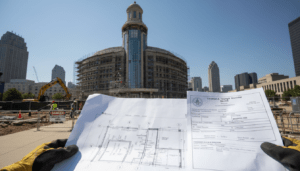
With the operational transfer complete, the RTA is expected to begin a comprehensive feasibility study to evaluate corridors for future rapid transit, which could include streetcar extensions or Bus Rapid Transit (BRT) lines. This study will likely look at density, current transit usage, and equity gaps.
The timeline for any physical construction of a Detroit streetcar expansion is likely several years out. The immediate focus will be on operational efficiencies—reducing wait times, ensuring the streetcar has dedicated lane priority to avoid traffic (a major complaint of current riders), and unifying the payment app ecosystem.
Residents should expect a series of public engagement sessions in the coming year as the RTA updates its regional master plan. For a city built on the automobile, the pivot toward a comprehensive rail and transit strategy remains a complex, capital-heavy challenge, but one that leaders now believe is finally structured for success.