Following a night of intense speculation and escalating geopolitical tensions, Iranian state media has officially moved to debunk rumors circulating regarding the health of Supreme Leader Ayatollah Ali Khamenei. The Khamenei death claim, which trended rapidly across social media platforms late yesterday following reported strikes involving U.S. and Israeli assets, has been categorically rejected by Tehran. For the residents of Metro Detroit—home to the largest concentration of Arab and Middle Eastern Americans in the United States—these global tremors are felt locally, sparking intense discussion, anxiety, and debate across the region.
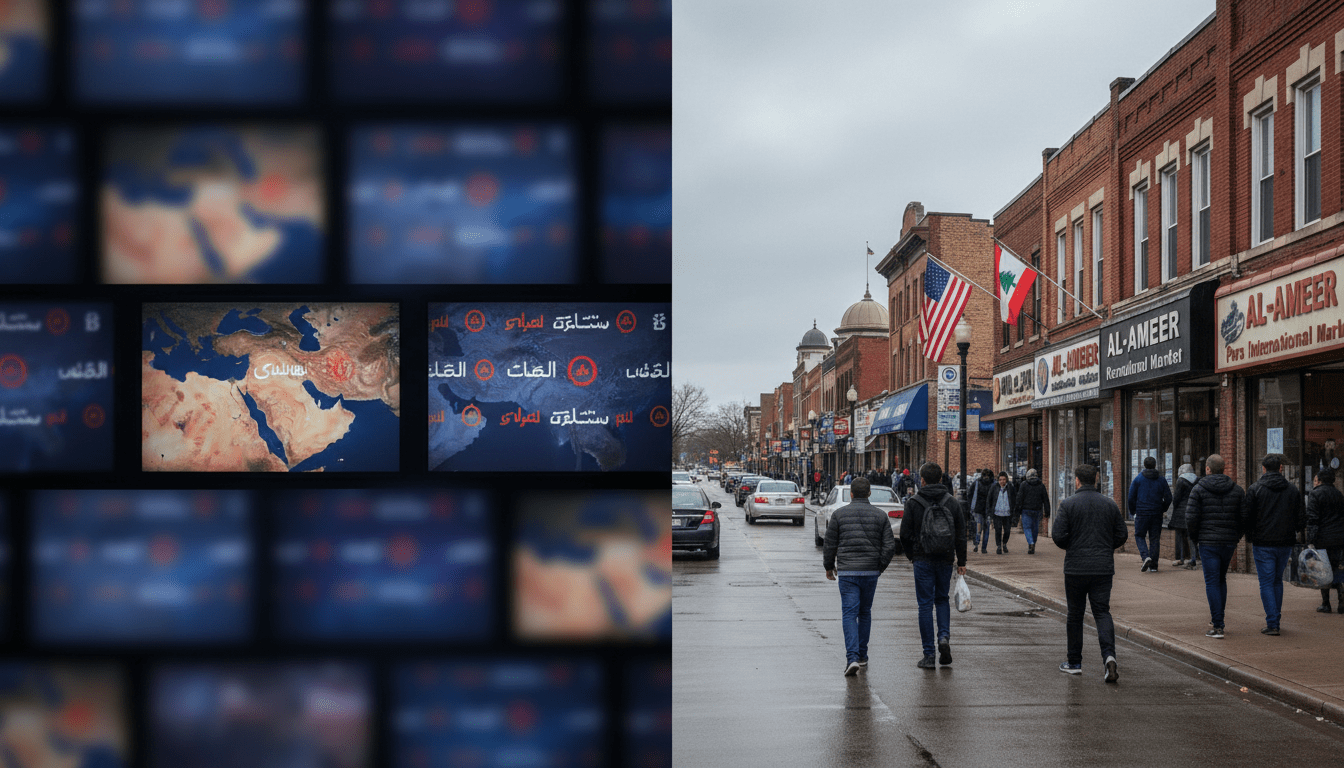
While international wire services scramble to verify on-the-ground details in Tehran, the ripple effects of the information war are already visible in Dearborn, Hamtramck, and Detroit. Community leaders and local observers are urging caution regarding unverified reports, citing the high potential for misinformation to exacerbate tensions in an already volatile political climate.
Details on the Denial and the Strikes
The rumors emerged shortly after reports surfaced of significant airstrikes targeting military infrastructure. Unsubstantiated claims began spreading on platforms like X (formerly Twitter) and Telegram suggesting that the Iranian Supreme Leader had been critically injured or killed. However, Iranian state television broadcast images today purporting to show the leader in good health, meeting with officials, in a direct bid to quell the Khamenei death claim.
According to reports from the Associated Press, state-affiliated news agencies called the rumors “psychological warfare” designed to destabilize the regime during a moment of heightened military engagement. The strikes themselves, which U.S. officials have described as targeted responses to regional aggression, have kept diplomatic channels on high alert.
For news consumers in Detroit, separating fact from fiction has become increasingly difficult. “The speed at which these narratives travel is unprecedented,” noted a media analyst from Wayne State University. “Before major networks can verify a strike, a narrative about leadership decapitation is already circling the globe three times.”
Impact on Detroit Residents and the Diaspora
Metro Detroit is unique in the American landscape due to its deep familial, cultural, and religious ties to the Middle East. When news breaks in Tehran, Beirut, or Baghdad, the reaction in Wayne County is immediate. The Khamenei death claim was no exception, dominating conversations in local coffee houses along Warren Avenue and in community centers across the region.
Many local residents have family members in the region and rely on a mix of Western media and Middle Eastern satellite channels for information. The conflicting narratives create a palpable sense of anxiety.
“People are glued to their phones,” said a community organizer in Dearborn who asked to remain anonymous to discuss community sentiments freely. “Regardless of one’s political stance on the Iranian government, instability in the region usually translates to fear for family members back home. When rumors like this spread, everyone worries about what comes next—is it a power vacuum? Is it civil war? Is it a larger regional conflict involving the U.S.?”
Local business owners have also expressed concern. Instability in the Middle East often correlates with fluctuations in gas prices and economic uncertainty, but the primary impact in Detroit is social and emotional. In previous instances of heightened tension, local law enforcement agencies, including the Detroit Police Department and Dearborn Police, have increased vigilance to ensure the safety of religious institutions and public gathering spaces, although no specific threats have been linked to this current news cycle.
The Role of Misinformation in Local Discourse
The spread of the Khamenei death claim highlights a growing challenge for Detroit’s digital news ecosystem: the prevalence of disinformation. With the rise of AI-generated content and bot networks, local experts warn that diaspora communities are often targeted with specific narratives designed to provoke emotional responses.
“We have seen this pattern before,” stated a representative from a local digital literacy non-profit. “A major military event happens, and immediately it is followed by sensational claims about leadership casualties. For residents here in Detroit, it is crucial to verify sources before sharing information on WhatsApp groups or Facebook.”
This incident serves as a reminder of the importance of relying on established news outlets. Readers can find more information on how to identify reliable local news sources in our guide on navigating digital media in Detroit.
Background: Detroit’s Connection to International Policy
It is impossible to view this story without considering the political weight of Metro Detroit. As a key swing region in national elections, the sentiments of Detroit’s Arab-American and Muslim voters regarding U.S. foreign policy in the Middle East are closely monitored by Washington.
Recent months have seen increased activism and protests in downtown Detroit regarding U.S. involvement in foreign conflicts. The denial of the Khamenei death claim comes at a time when local activists are already mobilizing around calls for de-escalation in the region. The clarity—or lack thereof—regarding the status of Middle Eastern leadership directly impacts the strategies and focus of local advocacy groups.
Data from the U.S. Census Bureau confirms that Michigan holds one of the highest concentrations of Middle Eastern lineage in the country. Consequently, foreign policy decisions are often local policy issues here. A destabilized Iran, or a confirmed leadership transition, would likely trigger a fresh wave of demonstrations and town halls across the city.
What Happens Next
As of this reporting, the Iranian government maintains that the Supreme Leader is alive and well, dismissing the reports as enemy propaganda. However, the situation remains fluid. Analysts predict that U.S. and Israeli intelligence communities will be monitoring the situation closely for any definitive proof of life or signs of a transition of power.
For Detroit, the coming days will likely see continued discussion within the community. Local mosques and community centers may release statements calling for calm and prayer for stability in the region. DetroitCityNews.com will continue to monitor the situation, specifically focusing on how these international developments influence safety, commerce, and public discourse in our neighborhoods.
For updates on local gatherings or community safety advisories related to international tensions, please visit our community events and safety page.