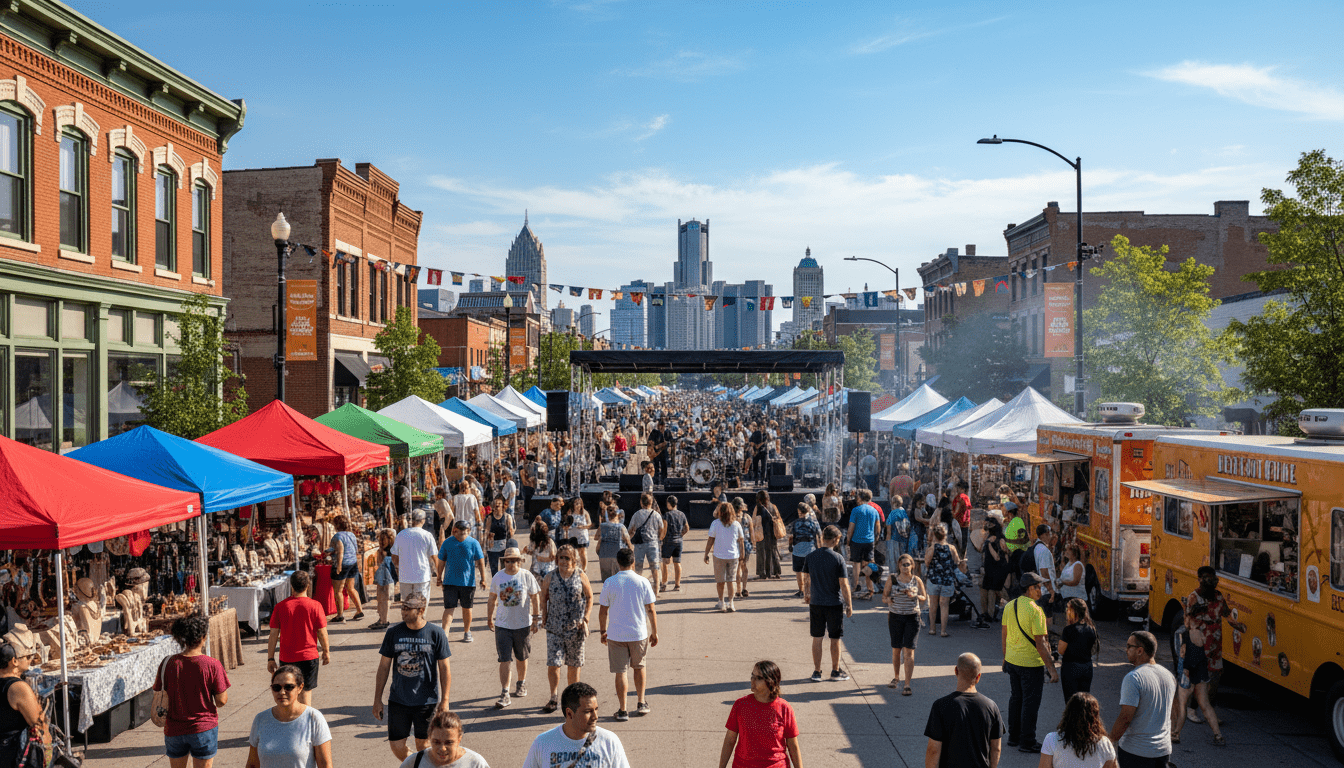
DETROIT — The streets of the city’s historic North End and Woodbridge neighborhoods are preparing for an unprecedented influx of visitors this month as the annual Detroit Neighborhood Festival gears up for what organizers and city officials anticipate will be a record-breaking year. Driven by a renewed interest in Michigan culture and a significant increase in municipal funding for the arts, the event has evolved from a local block party into a premier city celebration that rivals some of the largest regional gatherings in the Midwest.
Projections from the Detroit Office of Arts, Culture and Entrepreneurship (ACE) suggest that attendance could surpass 50,000 people over the three-day weekend, a 25% increase from previous years. This surge is credited to a more diverse lineup of performers and a strategic expansion of vendor spaces that prioritize hyper-local businesses and neighborhood artisans. As the city continues its post-pandemic cultural recovery, this Detroit festival serves as a critical barometer for the health of community engagement and the local creative economy.
A Strategic Shift Toward Neighborhood-Centric Events
For decades, many of the largest events in the city were concentrated in the downtown core or along the Riverfront. However, data from the City of Detroit indicates a deliberate shift in strategy to decentralize cultural programming. By bringing high-production value events into residential districts, the city aims to stimulate economic activity in areas that have historically been overlooked by major tourism initiatives.
Rochelle Riley, the Director of Arts and Culture for the City of Detroit, has frequently emphasized the importance of neighborhood-level investment. According to the ACE department’s recent reports, events like the Neighborhood Festival provide a platform for residents to showcase the unique heritage of their specific blocks while inviting the broader public to experience the city’s true character. This approach has transformed the city celebration into a tool for both social cohesion and economic revitalization.
Local business owners in the North End have already reported a spike in interest. Small businesses, ranging from boutique coffee shops to specialized repair stores, are extending their hours and collaborating on street-level promotions to capitalize on the expected foot traffic. This synergy between city planning and private enterprise is a hallmark of the current administration’s neighborhood-first policy.
Impact on Detroit Residents and Small Businesses
The economic implications of a large-scale community gathering extend far beyond ticket sales and food vendors. A study by the Detroit Economic Growth Corporation (DEGC) suggests that neighborhood festivals generate a significant ‘multiplier effect,’ where every dollar spent at the event circulates within the local economy multiple times. For residents of the hosting neighborhoods, this means more than just a weekend of entertainment; it represents a tangible boost to the local tax base and visibility for neighborhood-led initiatives.
However, record crowds also bring logistical challenges. To mitigate the impact on residents, the Detroit Department of Public Works has coordinated with festival organizers to implement a comprehensive traffic management plan. This includes designated parking zones, increased frequency for the QLine and DDOT bus routes, and a focus on pedestrian safety. Unlike downtown events where parking is concentrated in garages, neighborhood festivals require a more nuanced approach to preserve the quality of life for those living on the affected streets.
“The goal is to ensure that a city celebration of this magnitude remains an asset to the people who live here year-round,” a representative from the Woodbridge Neighborhood Development Corporation noted during a recent community meeting. Ensuring that local voices are heard in the planning stages has been vital to maintaining the festival’s authenticity and community support.
Michigan Culture and the Arts as an Economic Driver
The Detroit festival scene is increasingly recognized as a major component of Michigan culture. By highlighting jazz, techno, gospel, and visual arts that originated in Detroit’s neighborhoods, the festival provides an educational component that attracts tourists from across the state and beyond. This year’s programming includes a heavy emphasis on the ‘Roots of Detroit’ initiative, which documents the oral histories of long-term residents through interactive art installations.
According to the Michigan Economic Development Corporation (MEDC), cultural tourism is one of the fastest-growing sectors in the state’s economy. Detroit’s ability to leverage its unique identity—blending industrial history with cutting-edge artistic innovation—makes it a standout destination. For those interested in the broader landscape of the city’s growth, tracking neighborhood development trends reveals a direct correlation between cultural vibrancy and property value stabilization.
Furthermore, the inclusion of youth-led programming ensures that the next generation of Detroiters is integrated into the city’s cultural fabric. Workshops hosted by local non-profits during the festival aim to teach students about event production, digital marketing, and the business of the arts, creating a pipeline for future creative professionals.
Background and Future Outlook
The rise of the Detroit Neighborhood Festival mirrors a larger trend seen in cities like Chicago and New Orleans, where neighborhood-specific events have become global draws. Data from the U.S. Census Bureau regarding urban migration patterns shows that younger demographics are increasingly drawn to cities with robust public programming and accessible community gatherings. As Detroit seeks to grow its population, these festivals serve as a vital marketing tool for the city’s livability.
Looking ahead, city officials are considering expanding the festival model to include a ‘circuit’ of neighborhood events that run throughout the summer months. This would allow for a more sustained economic impact and reduce the pressure on any single district to host massive crowds. You can read more about the impact of these initiatives on the local economy in our previous coverage of city-wide grant programs.
For those planning to attend, the city recommends using public transit and arriving early to experience the full range of vendors. Detailed maps and schedules are available on the official City of Detroit website, which also provides real-time updates on road closures and event capacity. As the first chords of music ring out across the North End this weekend, it will be clear that the Detroit festival spirit is not just alive—it is growing stronger than ever.