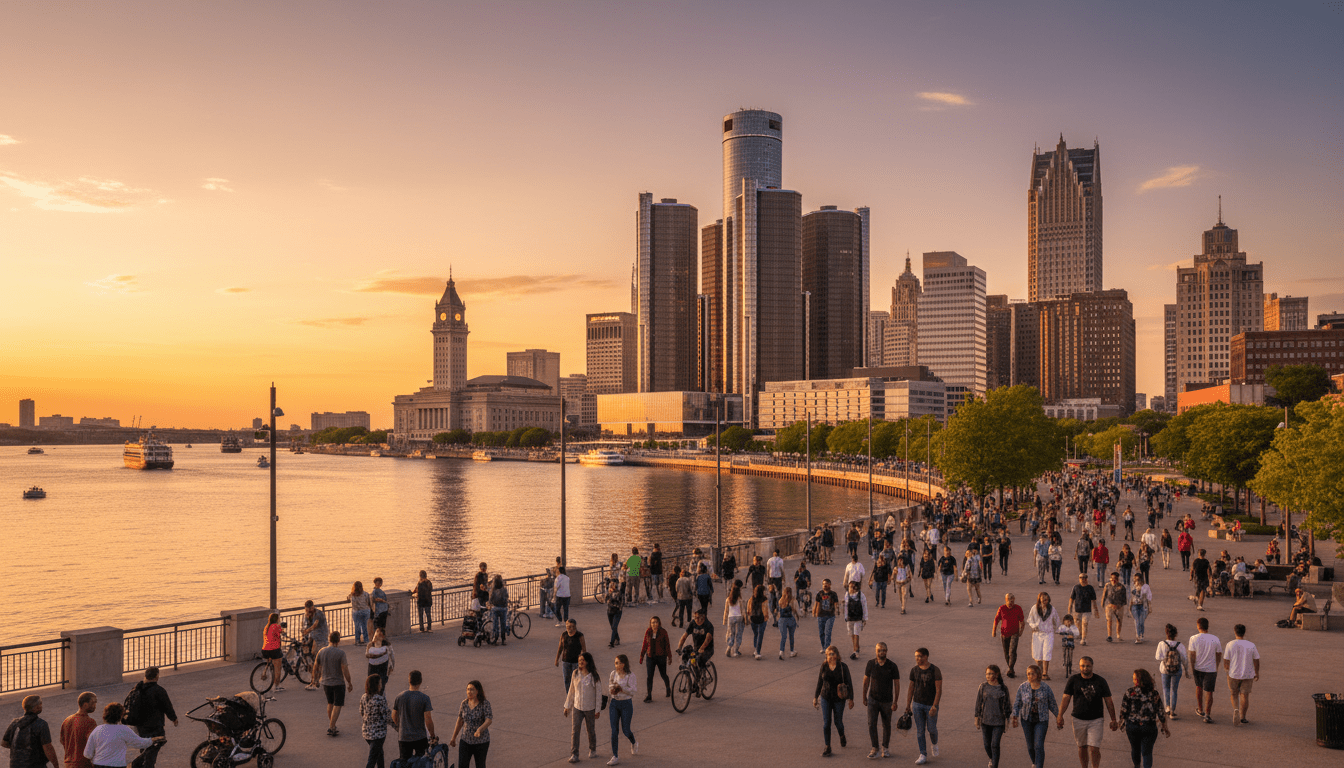
In the wake of several record-breaking years for the region, Detroit is preparing for a significant shift in its travel economy as we approach 2026. While the city was once primarily viewed as an industrial hub, a combination of infrastructure investments, international media recognition, and major event hosting has fundamentally altered the city’s appeal. According to data from Visit Detroit, the region saw a massive influx of visitors following the 2024 NFL Draft, a momentum that experts believe is establishing a new baseline for the local hospitality industry.
The Evolution of the Motor City Brand
The current Detroit tourism trends suggest that the city is no longer just a drive-to destination for regional travelers but is increasingly becoming a primary choice for national and international tourists. The opening of high-profile developments, such as the Hudson’s site and the completion of the Michigan Central innovation district, has provided a physical manifestation of the city’s revitalization. These projects have transitioned from construction sites to operational landmarks that draw visitors interested in architecture, history, and tech innovation.
As reported by the Michigan Economic Development Corporation (MEDC), the state has seen a significant return on investment regarding tourism marketing, with Detroit serving as the primary anchor for urban exploration. In 2026, the focus is shifting toward sustainable tourism and the celebration of the city’s unique musical and culinary heritage. The rise of boutique hotels in neighborhoods like Corktown and West Village has diversified the lodging options, allowing visitors to experience the city beyond the central business district.
Impact on Detroit Residents
For long-time Detroiters, the surge in tourism brings a mixture of economic opportunity and local infrastructure improvements. The increase in visitor spending directly supports small businesses, particularly in the food and beverage sector. Data from the Detroit Economic Growth Corporation (DEGC) indicates that neighborhood-based businesses have seen a 15% increase in foot traffic over the last two years, partially attributed to the city’s efforts to promote “shop local” initiatives to tourists.
Furthermore, the tax revenue generated from hotel stays and entertainment venues contributes to the city’s general fund, which supports essential services like public lighting and park maintenance. Local residents have also benefited from improved transit options. The QLine and the expansion of the Joe Louis Greenway have become essential assets for both commuters and tourists, creating a more walkable and accessible urban environment. Many community leaders point to the revitalization of Detroit real estate as a direct byproduct of the city’s increased visibility on the global stage.
Background & Data: Sustaining the Momentum
Recent statistics from Visit Detroit highlight a consistent upward trajectory in hotel occupancy rates. In 2025, the metropolitan area reached an average occupancy rate of 68%, a figure that is projected to rise as more luxury and mid-scale hotels open their doors in 2026. The increase in room inventory has allowed the city to bid for larger international conventions and sporting events that were previously out of reach.
Economic analysts note that the diversification of Detroit’s economy is a key driver for these trends. While the automotive industry remains the backbone of the region, the growth of the tech sector and creative industries has fostered a new type of business traveler. These visitors often extend their stays to explore the city’s cultural institutions, such as the Detroit Institute of Arts and the Motown Museum, which recently completed its own multi-million dollar expansion. This synergy between business and leisure travel—often referred to as “bleisure”—is a cornerstone of the 2026 Detroit tourism trends.
The Role of International Recognition
Detroit’s inclusion in several “best of” travel lists by major publications like Time Magazine and Condé Nast Traveler has played a crucial role in changing global perceptions. These accolades are backed by real-world improvements in the city’s safety and connectivity. Detroit Metropolitan Airport (DTW) continues to rank as one of the best airports in North America for customer satisfaction, providing a seamless entry point for international visitors coming from Europe and Asia.
What Happens Next
Looking ahead toward the end of 2026 and into 2027, the city is bracing for even larger crowds. The upcoming FIFA World Cup 2026, with matches being held in nearby Toronto and other North American cities, is expected to result in a “overflow effect” for Detroit, as fans look for affordable and culturally rich cities to visit between match days. The city’s proximity to the Canadian border and its robust international gateway make it a strategic hub for global sports fans.
The City of Detroit is also working on expanding the “Detroit Rewards” program, which encourages tourists to visit multiple neighborhoods by offering discounts at local establishments. By decentralizing tourism, officials hope to ensure that the economic benefits of the Detroit tourism trends are felt in every corner of the city. As the Detroit economy continues to evolve, the tourism sector is poised to remain a vital pillar of the city’s long-term resilience and growth.