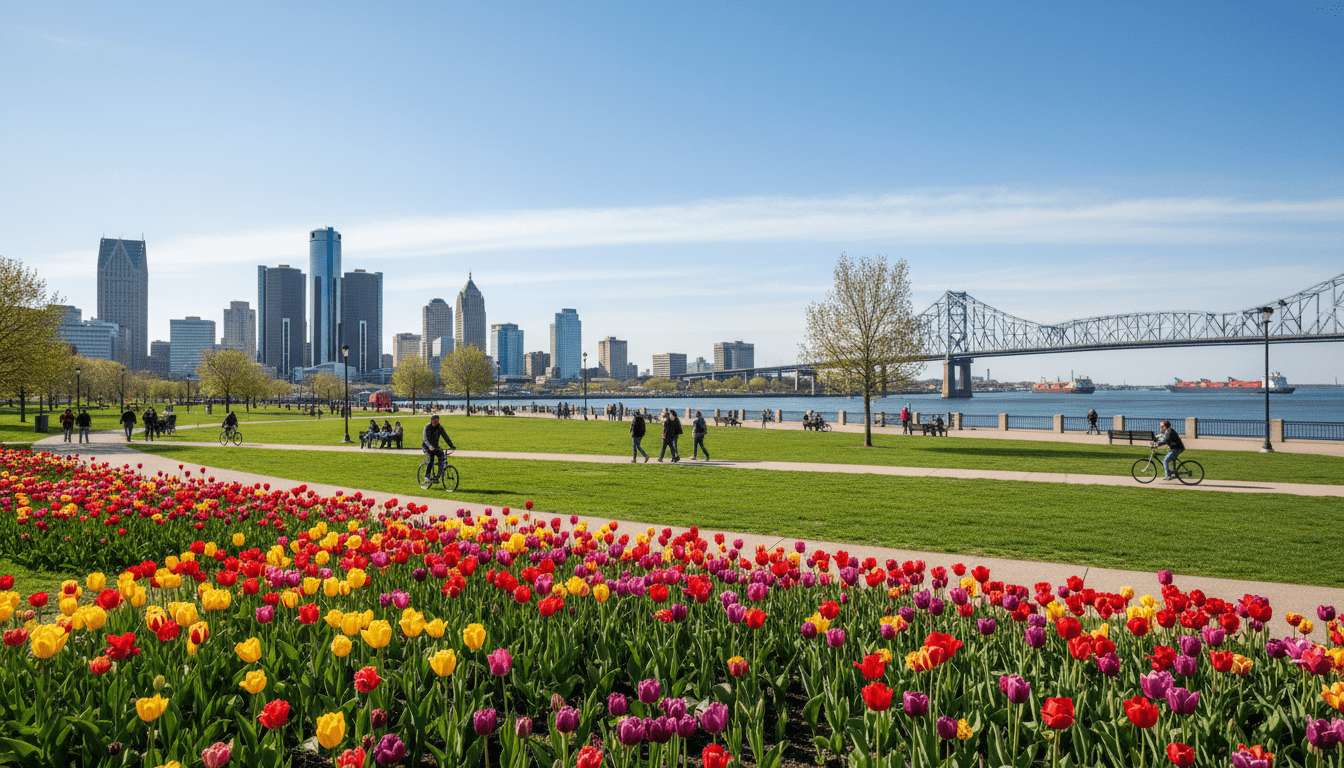
As temperatures begin to moderate across Southeast Michigan, the City of Detroit is finalizing extensive preparations for a significant seasonal increase in public space usage. This year, the shift toward spring highlights a broader transformation within the Detroit parks system, which has benefited from sustained municipal funding and public-private partnerships aimed at improving urban quality of life.
The Evolution of Detroit Public Spaces
The revitalization of Detroit’s green spaces is part of a multi-year strategy led by the City of Detroit Parks & Recreation Department. According to city planning documents, the administration has prioritized the equitable distribution of park improvements through the Strategic Neighborhood Fund, ensuring that residents in all districts have access to high-quality recreational facilities. This initiative aligns with the national ’10-Minute Walk’ goal, which seeks to ensure every resident lives within a short distance of a well-maintained park.
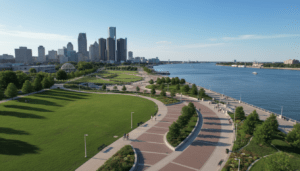
For residents looking to explore the city this season, the diversity of the Detroit parks system offers everything from sprawling historic grounds to modernized neighborhood hubs. Belle Isle Park remains the crown jewel of the system, managed via a long-term lease by the Michigan Department of Natural Resources. As a 982-acre island park, it serves as a primary destination for spring migratory bird watching and early-season hiking. Meanwhile, the Detroit Riverfront Conservancy continues its work on the riverwalk, which has been consistently ranked among the best in the nation by various urban planning journals.
Impact on Detroit Residents
The health and social benefits of accessible green spaces are well-documented in urban environments. For Detroiters, the local park serves as more than just a place for exercise; it is a vital component of community stability. Data from the Trust for Public Land indicates that cities with robust park systems see higher rates of physical activity and improved mental health outcomes among residents.
In neighborhoods like Southwest Detroit, Clark Park serves as a cultural anchor, providing a venue for youth sports and community gatherings. Further west, Rouge Park—which is larger than New York’s Central Park—offers unique ecological features, including a prairie and specialized mountain bike trails that are rarely found in an industrial urban setting. The ongoing neighborhood development initiatives have focused on adding amenities such as splash pads, upgraded playground equipment, and better lighting to these spaces to increase safety and usability during evening hours.
Reporting on Infrastructure and Growth
The financial commitment to these spaces is substantial. Recent reports from the Detroit City Council highlight that millions of dollars in American Rescue Plan Act (ARPA) funds have been diverted toward park renovations. This includes significant upgrades at AB Ford Park in the Jefferson-Chalmers neighborhood, which is undergoing a transformation to better handle shoreline erosion while providing updated community center facilities.
Property values also reflect the impact of these investments. Real estate analysts in the region have noted that proximity to well-maintained Detroit parks often leads to increased demand for housing. As infrastructure improvements continue to roll out, the gap between downtown amenities and neighborhood resources is narrowing, creating a more cohesive urban experience for long-term residents and newcomers alike.
A Guide to 12 Essential Parks for Spring
While the city manages over 300 parks and playgrounds, twelve specific locations stand out this spring for their unique offerings and recent upgrades:
1. Belle Isle Park
Known for the Anna Scripps Whitcomb Conservatory and the James Scott Memorial Fountain, Belle Isle is the most visited state park in Michigan. Its spring blooms make it a premier destination for photography and nature walks.
2. Rouge Park
As the city’s largest park, Rouge Park offers a rare glimpse into the region’s original topography. It is a critical site for local conservation efforts and offers miles of paved and unpaved trails.
3. Chandler Park
Located on the city’s east side, Chandler Park features a massive water park and a newly developed skate park, reflecting the city’s commitment to diverse recreational needs.
4. Riverside Park
Situated under the Ambassador Bridge, this park has seen a complete overhaul. It now features a dog park, a premier skate park, and modern basketball courts, all with an unmatched view of the Detroit River.
5. Clark Park
A historic Southwest Detroit landmark, Clark Park is famous for its outdoor hockey rink and vibrant community festivals that kick off as the weather warms.
6. Palmer Park
Known for its historic log cabin and tennis courts, Palmer Park’s old-growth forest is a sanctuary for those seeking a quiet escape from the city’s industrial corridors.
7. AB Ford Park
Currently benefiting from major renovations, this park is a focal point for east-side residents, offering waterfront views and upcoming climate-resilient landscaping.
8. Patton Park
Patton Park serves as a bridge between Detroit and Dearborn, featuring a large recreation center and extensive green space for soccer and baseball.
9. Spirit of Hope / O’Shea Park
A model for modern urban parks, O’Shea Park features solar-powered lighting and educational play areas, demonstrating how technology can integrate with green spaces.
10. Eliza Howell Park
This park has become a hub for local art installations and nature trails, providing a more rugged and artistic park experience on the city’s northwest side.
11. Valade Park
Part of the Riverfront expansion, Valade Park offers a sandy beach area and innovative seating, making it a favorite for families during the transition into warmer months.
12. Grand Circus Park
In the heart of the tech and entertainment district, this park provides a historic backdrop for commuters and downtown residents to enjoy the first signs of spring among the statues and fountains.
What Happens Next
Looking ahead, the city is preparing for the groundbreaking of the Ralph C. Wilson Jr. Centennial Park on the West Riverfront. This project is expected to be a transformative addition to the Detroit parks portfolio, featuring a beach, a massive playground, and a direct connection to the existing Joe Louis Greenway. As the city continues to document a steady increase in park visitors, officials emphasize that maintaining these spaces requires a collective effort between the municipality and the citizens who utilize them. The upcoming spring season serves as a litmus test for the durability and success of recent renovations across the city’s 139 square miles.