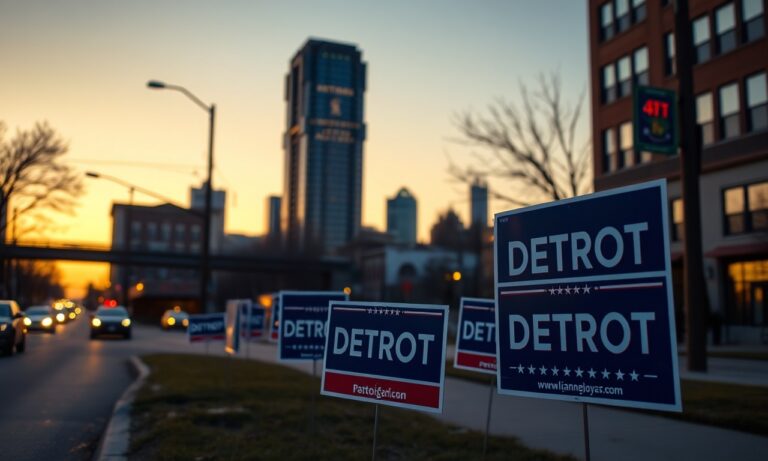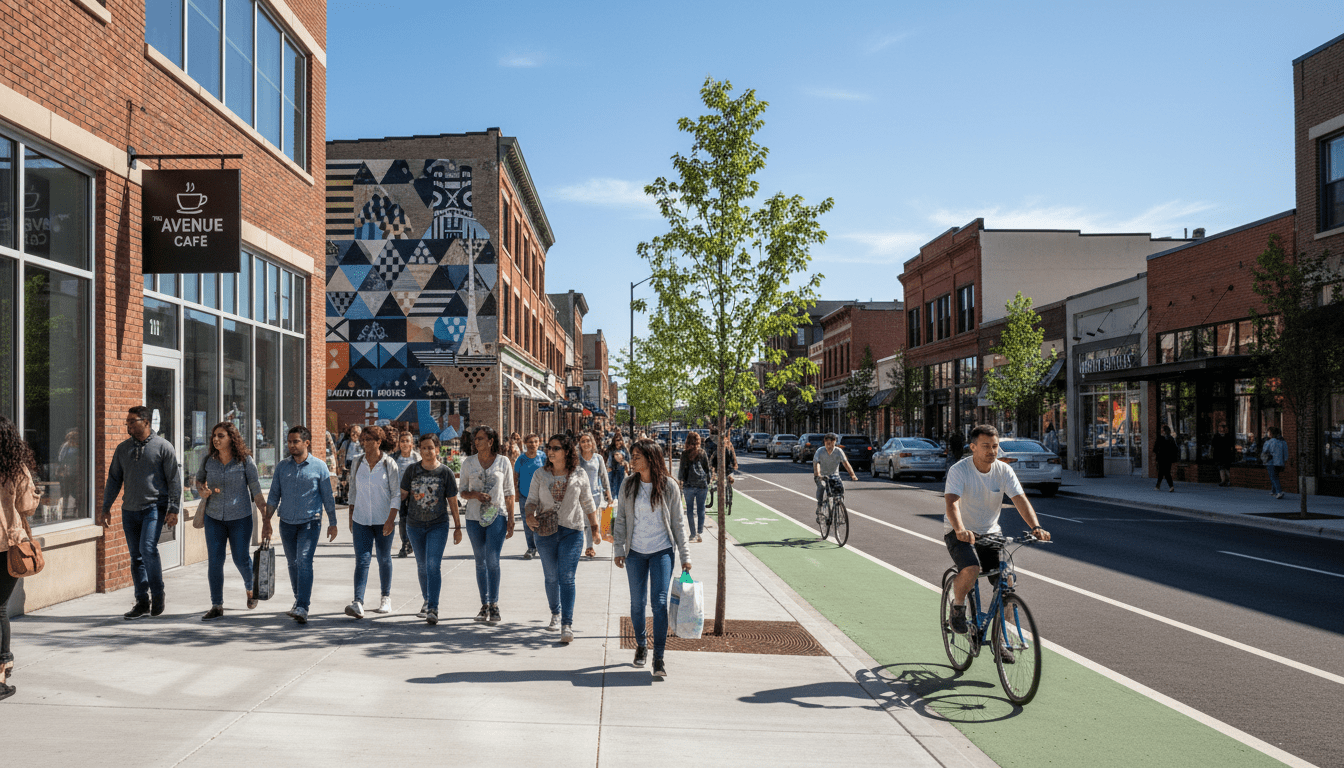
For decades, the narrative surrounding Detroit’s economic recovery focused almost exclusively on the gleaming towers of Downtown and the rapid gentrification of Midtown. However, a significant shift in urban planning and investment strategy is now rooting itself deeper into the city’s residential fabric. Through the Strategic Neighborhood Fund (SNF), a public-private partnership aimed at density and walkability, Detroit neighborhood development is entering a sophisticated new phase that prioritizes local commercial corridors and community-driven amenities.
The Evolution of Neighborhood-First Investment
Launched in 2016, the Strategic Neighborhood Fund was designed to prove that investment could thrive outside of the central business district. What began as a $30 million pilot program in three neighborhoods—Islandview/Villages, Southwest Detroit, and Livernois-McNichols—has since ballooned into a multi-phase initiative covering 10 distinct neighborhood areas. According to reports from the City of Detroit, the fund leverages philanthropic donations and corporate investment to secure state and federal funding, creating a pool of capital dedicated to streetscape improvements, park renovations, and the stabilization of vacant commercial buildings.
This model relies heavily on partnerships with organizations like Invest Detroit, a nonprofit lender that manages the fund’s deployment. The goal is not just to renovate buildings, but to create “nodes” of activity where residents can walk to a grocery store, a park, or a local café, reducing the historic reliance on long commutes for basic needs. As reported by the Detroit Free Press, the initiative has seen major corporate backing from entities such as JPMorgan Chase, which committed significant capital to the city’s recovery efforts over the last decade.
Impact on Detroit Residents and Small Businesses
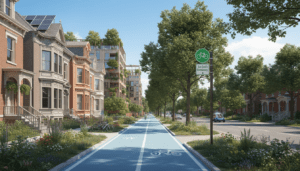
The most visible impact of this Detroit neighborhood development is found in the “Main Street” style renovations of corridors like Livernois Avenue. Known historically as the “Avenue of Fashion,” the stretch recently underwent a massive streetscape overhaul that widened sidewalks and added bike lanes, encouraging foot traffic for legacy black-owned businesses and newcomers alike. Local business owners in the area have noted that while the construction period was challenging, the increased visibility has led to a more vibrant evening economy.
For residents, the impact often translates to improved quality of life through the rehabilitation of neighborhood anchors. In the Jefferson Chalmers district, the SNF has targeted the restoration of historic ballrooms and the creation of new affordable housing units. This focus on “inclusive growth” is intended to prevent the displacement that often accompanies urban renewal. By pairing physical development with programs like the Motor City Match, the city aims to ensure that the people currently living in these ZIP codes are the ones benefiting from the new investments.
Data-Driven Results and Infrastructure Growth
Data from the U.S. Census Bureau and city planning documents suggest that these targeted investments are beginning to move the needle on property values and occupancy rates. In areas where the Strategic Neighborhood Fund has completed major park or streetscape projects, there has been a measurable increase in private permits for residential renovations. The City of Detroit’s Planning and Development Department emphasizes that for every dollar of SNF money spent, the goal is to attract several more dollars in private investment.
Beyond aesthetics, the infrastructure projects address long-standing safety concerns. Improved lighting, narrowed crossings for pedestrians, and the removal of blight are central tenets of the plan. According to the Official City of Detroit Website, the city has utilized a portion of these funds to renovate over 150 acres of parkland, providing green space that was previously neglected or underfunded. This holistic approach recognizes that economic development cannot exist in a vacuum; it requires a safe and attractive environment to retain families and attract new residents.
Addressing the Housing Gap
A critical component of the ongoing Detroit neighborhood development is the integration of the Strategic Neighborhood Fund with the city’s affordable housing mandates. Projects receiving SNF support are often required to set aside a percentage of units for residents earning significantly below the Area Median Income (AMI). This ensures that as neighborhoods like Old Redford or the North End become more desirable, they remain accessible to the workforce that sustains the city’s service and manufacturing sectors. Residents interested in the evolving landscape can find more information on local housing market trends to better understand how these developments affect property taxes and rental availability.
Challenges and the Path Forward
Despite the successes, the road to comprehensive Detroit neighborhood development is not without hurdles. Critics often point out that while 10 neighborhoods are seeing concentrated investment, dozens of others still struggle with basic services and blight. There is also the persistent challenge of rising construction costs, which can stall projects even after funding has been secured. The reliance on philanthropic “anchor” donors also raises questions about the long-term sustainability of the fund once the initial commitments are exhausted.
However, the city’s leadership remains optimistic. The current strategy involves using the success of the first two phases of the SNF to lobby for more permanent state-level funding mechanisms. The focus is now shifting toward the “Next 10” neighborhoods, where planners are currently holding community meetings to determine local priorities. These meetings are essential, as they allow residents to voice whether they prefer investment in a new playground, a commercial facade grant program, or improved transit stops.
What Happens Next for Detroit Neighborhoods
Looking toward 2025 and beyond, the city expects several major projects to reach completion. In Southwest Detroit, the expansion of the Joe Louis Greenway—a 27.5-mile loop of hiking and biking trails—will eventually connect SNF-supported neighborhoods to the Detroit Riverfront. This connectivity is seen as the final piece of the puzzle in creating a truly modern, walkable urban environment.
The Strategic Neighborhood Fund serves as a blueprint for other post-industrial cities looking to revitalize without losing their soul. By focusing on the unique identity of each Detroit neighborhood and empowering local stakeholders, the program aims to build a city that is as strong in its residential outskirts as it is in its downtown core. As these projects mature, the measure of success will not just be in the number of new businesses opened, but in the retention of Detroiters who have stayed through the city’s toughest times and now hope to see their neighborhoods flourish.