Detroit’s downtown core and surrounding neighborhoods are preparing for their most active month of the first quarter as a dense schedule of high-profile gatherings is projected to drive substantial revenue into the local economy. According to preliminary forecasts from Visit Detroit, the city’s official convention and visitors bureau, the influx of visitors for various Detroit events March 2026 is expected to result in hotel occupancy rates exceeding 85% during peak weekends, a figure that rivals pre-pandemic spring tourism levels.
The surge in activity marks a critical period for small businesses and hospitality workers. From the historic streets of Corktown to the burgeoning entertainment district near Little Caesars Arena, the city is positioning itself to manage hundreds of thousands of visitors seeking diverse things to do Detroit. This uptick is not merely a matter of leisure; it represents a coordinated effort between the City of Detroit and private stakeholders to showcase the results of recent infrastructure investments and neighborhood revitalization projects.
Economic Impact and Tourism Projections
Data provided by the Detroit Economic Growth Corporation (DEGC) suggests that the cumulative economic impact of scheduled festivals, sporting events, and conventions this month could reach upwards of $45 million. This estimate accounts for direct spending at hotels, restaurants, and retail outlets, as well as the indirect benefits felt by local supply chains. For many Detroit small business owners, the month of March serves as a bellwether for the fiscal year.
A spokesperson for Visit Detroit noted that the diversity of the scheduled programming is the primary driver of these figures. While the city has long relied on singular major events, the 2026 calendar shows a more balanced distribution of interest across technology, culture, and athletics. “We are seeing a trend where visitors are extending their stays,” the bureau stated in a recent press release. “They aren’t just coming for a single game or parade; they are exploring the wider array of things to do Detroit, which keeps dollars in our neighborhoods longer.”
The 68th Annual St. Patrick’s Parade in Corktown
The centerpiece of the month’s cultural offerings remains the Detroit St. Patrick’s Parade, scheduled to move through the historic Corktown neighborhood. Organized by the United Irish Societies, the event is one of the most significant Detroit events March 2026, traditionally drawing upwards of 80,000 spectators to Michigan Avenue. The parade’s route, which passes the recently renovated Michigan Central Station, serves as a backdrop for the city’s blend of heritage and modernization.
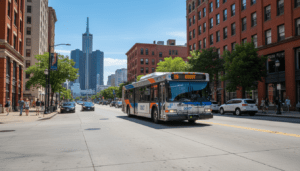
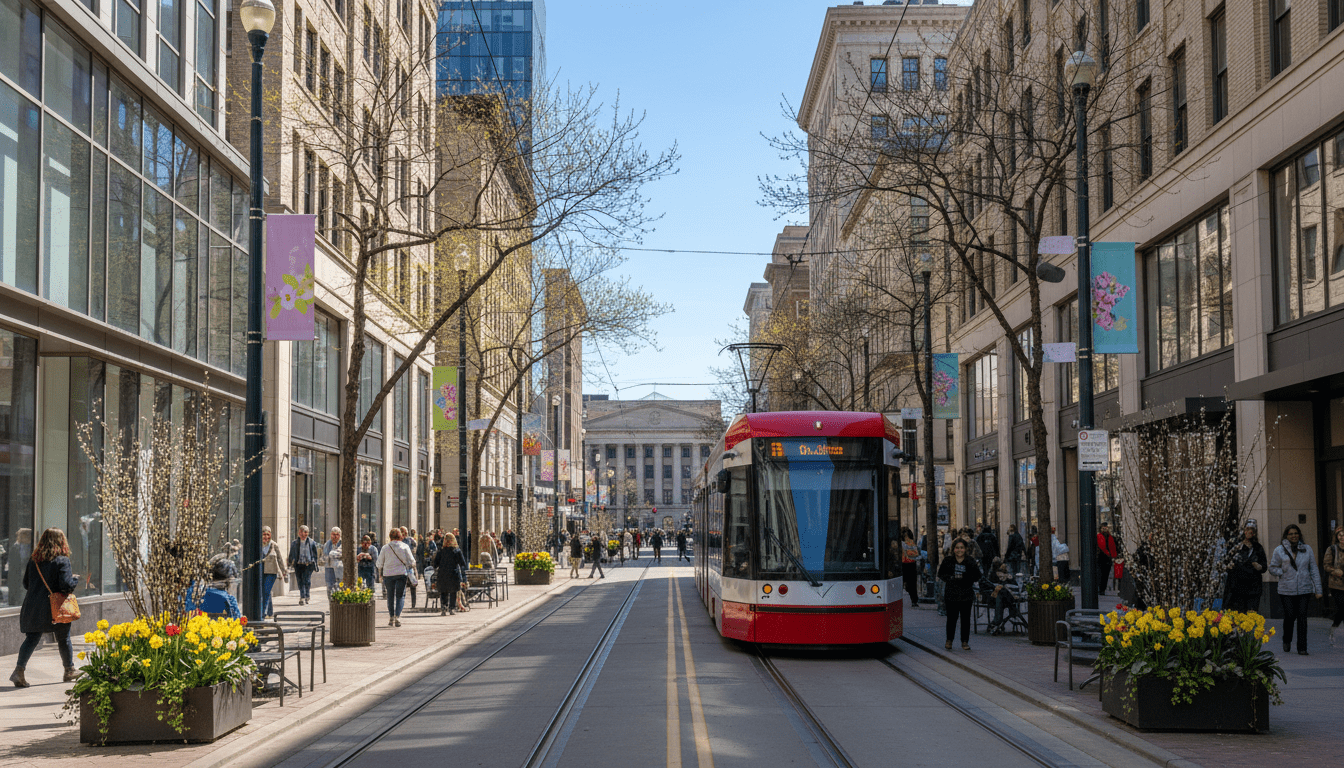
Local law enforcement and the Detroit Department of Public Works (DPW) have already begun coordinating logistics for the event. To accommodate the crowds, the city has announced temporary traffic shifts and increased frequency for the QLine and DDOT bus routes. Business owners along Michigan Avenue have reported that reservations for the parade weekend were largely filled by mid-February, highlighting the sustained demand for local dining and entertainment.
Impact on Detroit Residents
While the economic benefits are clear, the sheer volume of visitors presents logistical challenges for those who live and work in the city daily. City officials have emphasized that resident accessibility remains a priority. The Detroit Department of Transportation (DDOT) has confirmed it will implement “event-day service tiers,” which include additional shuttle rotations to prevent overcrowding on standard routes. For residents, the influx of visitors means more than just crowded sidewalks; it directly influences local employment. Many hospitality venues have moved to temporary seasonal hiring models to meet the March demand, providing a short-term boost to the local labor market.
“Large-scale events are the engine of our downtown ecosystem,” a representative from the City of Detroit’s Mayor’s Office remarked during a recent planning session. “However, we are mindful of the impact on residents. Our goal is to ensure that while we host the world, our neighborhoods remain functional and accessible.” Residents are encouraged to monitor the City of Detroit official website for real-time updates on road closures and public service adjustments throughout the month.
Sports and Cultural Programming
In addition to heritage festivals, the sports landscape is contributing heavily to the city’s momentum. Little Caesars Arena and Ford Field are slated to host a series of collegiate tournaments and professional matchups that contribute to the robust list of things to do Detroit. These events are expected to draw a significant regional audience, particularly from neighboring Midwestern states, further bolstering the city’s reputation as a premiere destination for sports tourism.
Culturally, the Detroit Institute of Arts (DIA) and the Charles H. Wright Museum of African American History have unveiled special exhibitions for the spring season. These institutions play a vital role in broadening the city’s appeal beyond traditional entertainment, attracting a demographic interested in the educational and historical depth of the region. By integrating cultural institutions into the broader tourism strategy, the city ensures that the economic benefits of Detroit events March 2026 are distributed across a wider range of sectors.
Infrastructure and Future Outlook
The success of this month’s programming will be viewed as a litmus test for Detroit’s capacity to host future global events. The Michigan Department of Transportation (MDOT) has intentionally scheduled several maintenance projects to avoid peak event weekends, ensuring that the primary arteries into the city remain clear. This proactive planning is part of a larger strategy to maintain the city’s momentum following years of intensive redevelopment.
As March progresses, city planners will be collecting data on pedestrian flow, transit usage, and waste management efficiency. This information will be used to refine the city’s approach to the upcoming summer festival season. For now, the focus remains on the immediate horizon. With a packed calendar and a prepared infrastructure, Detroit appears ready to capitalize on a month that promises to be both a cultural celebration and a significant economic milestone.