For the first time since the mid-20th century, the narrative of Detroit’s decline is being replaced by one of incremental growth. Recent data released by the U.S. Census Bureau indicates a historic shift in Detroit population trends, suggesting that the city’s long-standing era of contraction may finally have reached a turning point. According to the 2023 Population Estimates, Detroit saw its first year-over-year increase in residents since 1957, a milestone that city officials and urban planners are calling a validation of decade-long revitalization efforts.
A Statistical Turning Point
The U.S. Census Bureau’s annual estimates released in May 2024 showed that Detroit’s population rose by 1,852 people between July 2022 and July 2023, bringing the total estimated population to 633,218. While the numerical increase is modest in a city that once housed 1.8 million people, the symbolic weight of the data is significant. It marks the end of a 66-year streak of annual population losses that came to define the city’s challenges in the national consciousness.
Mayor Mike Duggan, who has made population growth a central metric of his administration’s success, noted that this data reflects the reality on the ground in many neighborhoods. The city had previously challenged the Census Bureau’s 2022 estimates, arguing that they undercounted residents by failing to account for the rise in utility connections and new housing permits. The latest figures suggest a more aligned perspective between local observations and federal data.
Drivers of Migration to Detroit
The shift in demographics is being driven by a combination of factors, including increased investment in the city’s core and a stabilization of residential neighborhoods. Data from the Southeast Michigan Council of Governments (SEMCOG) suggests that migration to Detroit is increasingly characterized by young professionals seeking urban amenities and retirees looking for a more walkable lifestyle. However, a crucial part of the story remains the influx of international immigrants, who have bolstered the populations of neighborhoods like Southwest Detroit and Banglatown.
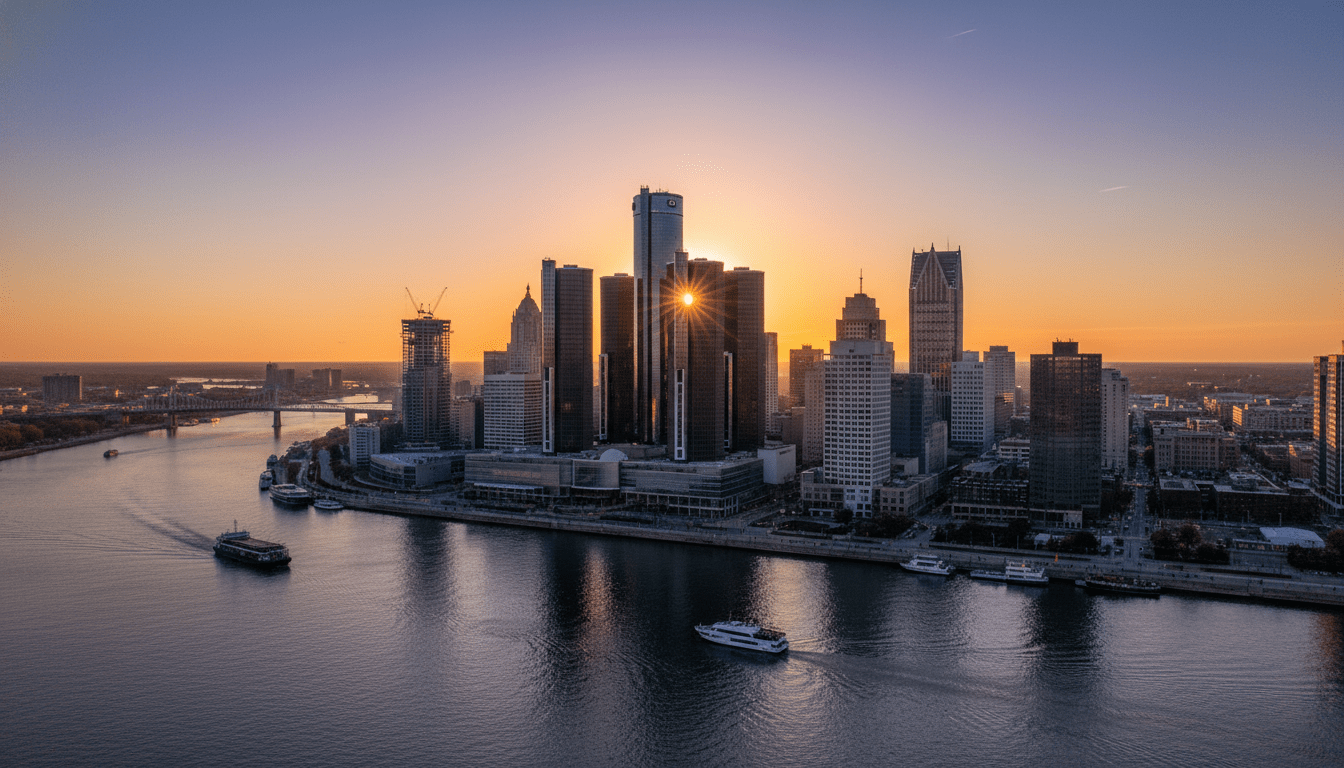
Economic development has played a pivotal role. The expansion of the downtown development corridor and the presence of major employers like Rocket Mortgage, Blue Cross Blue Shield of Michigan, and the recently opened Michigan Central Innovation District have created a stronger pull for talent. Furthermore, the relative affordability of Detroit’s real estate compared to coastal urban centers has positioned the city as a viable alternative for remote workers and creative entrepreneurs.
Impact on Detroit Residents
For long-time Detroiters, these population trends translate into more than just numbers. A growing population strengthens the city’s tax base, which in turn funds essential services like public safety, trash collection, and park maintenance. When more people choose to live in the city, the demand for local retail and grocery stores increases, addressing the long-standing issue of food deserts in certain districts.
However, the growth also brings concerns regarding equity and displacement. As property values rise in sought-after areas such as Midtown, Corktown, and the North End, some residents express concern about maintaining the city’s signature affordability. Local community organizers emphasize that for the population growth to be sustainable and beneficial to all, it must be paired with robust policies for affordable housing and inclusive workforce development. You can read more about how this affects the Detroit housing market in our previous coverage.
Background & Methodology
The journey to this growth milestone has been fraught with statistical debate. In 2020, the decennial census reported Detroit’s population at 639,111, a figure the city contested, alleging that high-vacancy neighborhoods were under-surveyed during the pandemic. According to academic researchers at the University of Michigan’s Population Studies Center, tracking Detroit statistics accurately requires a multi-faceted approach, combining federal data with local administrative records like USPS delivery counts and DTE Energy usage reports.
Current demographic data reveals a diversifying city. While Detroit remains one of the largest Black-majority cities in the United States, there has been a notable increase in Hispanic/Latino and Asian residents over the last decade. This demographic shift is visible in the commercial corridors of the city, where diverse small businesses are increasingly common. Detailed data sets are available for public review at the U.S. Census Bureau QuickFacts portal.
What Happens Next
As Detroit looks toward the 2030 Census, the focus shifts to maintaining this momentum. City planners are currently prioritizing the “Neighborhoods First” initiative, which aims to direct investment away from the downtown core and into residential areas that have seen less private capital. Infrastructure improvements, including the expansion of the Joe Louis Greenway and improvements to the DDOT bus system, are seen as vital to retaining the new residents the city has gained.
Experts believe that if Detroit can continue to average a growth of 0.3% to 0.5% annually, it will be well-positioned to reach a population of 650,000 by the end of the decade. While the days of Detroit being a city of nearly two million are in the past, the current data suggests that the city has found a new, sustainable baseline upon which to build its future.