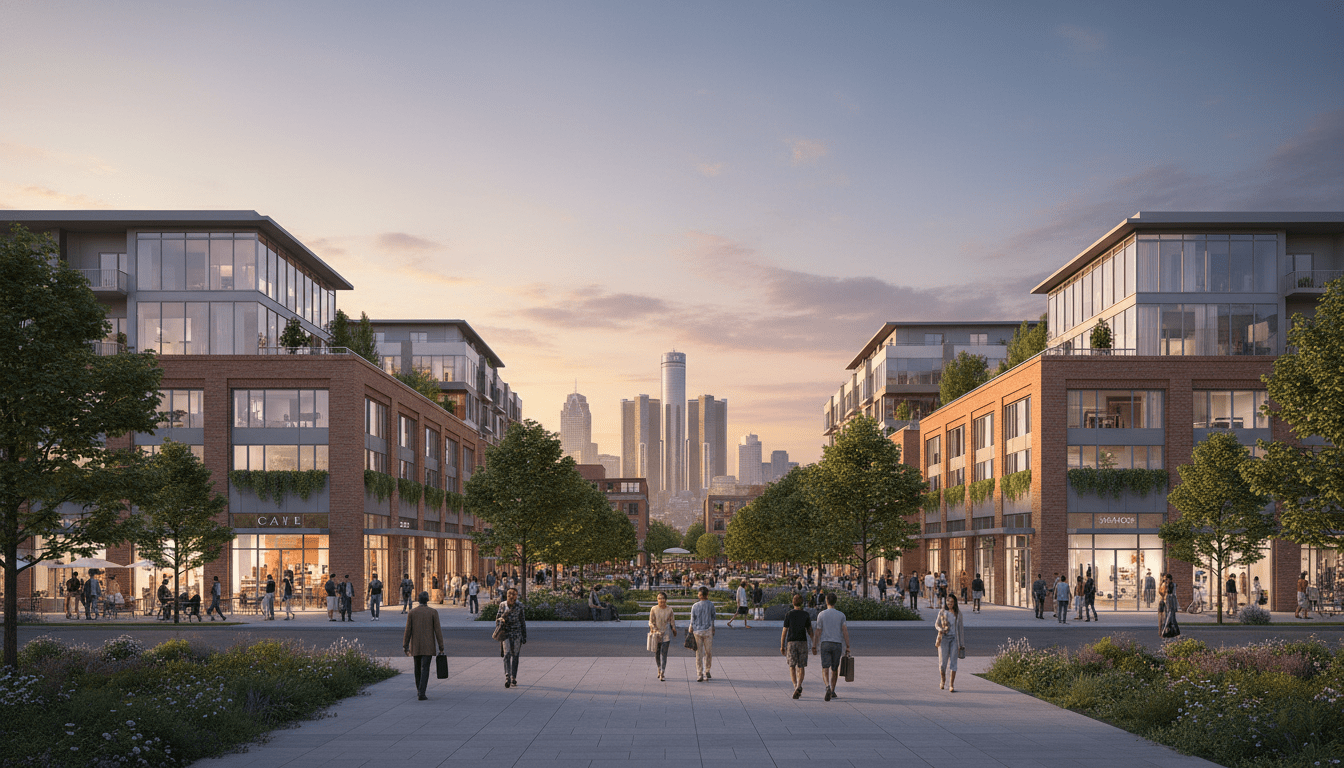
DETROIT — As the city’s skyline continues its dramatic evolution, a new wave of residential construction is set to reach completion by mid-2026. These Detroit housing developments 2026 represent a critical shift in urban planning, moving away from isolated downtown luxury high-rises toward comprehensive, mixed-income projects designed to stabilize legacy neighborhoods. From the historic streets of Corktown to the burgeoning corridors of the North End, the next two years will see thousands of new units come online, many of which are specifically earmarked for long-term residents through affordable housing mandates.
The Strategic Neighborhood Fund Influence
According to the City of Detroit Housing and Revitalization Department, the current momentum is largely fueled by the Strategic Neighborhood Fund (SNF). This public-private partnership has identified ten specific areas for targeted investment, ensuring that growth is not confined to the 7.2 square miles of the Greater Downtown area. By 2026, several high-impact projects in the East Warren and Cadieux corridors are expected to debut, bringing retail-heavy ground floors and upper-story residential living to areas that have seen decades of disinvestment.
Local officials emphasize that these Detroit housing developments 2026 are not merely about aesthetics. The focus has shifted toward creating “15-minute neighborhoods” where residents can access essential services, transit, and employment within a short walk or bike ride from their front doors. This initiative aligns with the city’s broader neighborhood revitalization updates, which prioritize walkability and sustainable infrastructure.
Affordable Housing and MSHDA Mandates
One of the primary drivers of the 2026 housing surge is the increased availability of Low-Income Housing Tax Credits (LIHTC) provided by the Michigan State Housing Development Authority (MSHDA). Data from MSHDA shows a record number of applications for Detroit-based projects in the last fiscal cycle, with a significant portion of those units slated for delivery in early 2026.
These developments are required to set aside a percentage of units for residents earning between 30% and 80% of the Area Median Income (AMI). This is a crucial component of the city’s strategy to prevent displacement. “The goal is to ensure that the people who stayed in Detroit during the lean years are the same people who benefit from the city’s resurgence,” a representative from the Housing and Revitalization Department stated in a recent public forum.
Focus on Corktown and the Michigan Central Impact
The most visible concentration of Detroit housing developments 2026 is arguably in Corktown. Following the massive investment by Ford Motor Company in the Michigan Central Station, residential developers have flocked to the surrounding blocks. The “Choice Neighborhoods” grant, a multi-million dollar federal investment, is currently transforming the former site of the Clement Kern Gardens into a modern, multi-phase residential campus.
By 2026, this area will feature hundreds of new units that blend market-rate pricing with deeply subsidized housing. This project serves as a microcosm of the city’s wider development goals: creating density that is socio-economically diverse. For those following Detroit’s growing economy, the Corktown expansion is seen as the primary engine for job creation and residential demand in the near term.
Impact on Detroit Residents
How this affects locals is the central question for community advocates. While the influx of new housing is generally welcomed, concerns regarding property tax increases and gentrification remain at the forefront of community meetings. The city has responded with programs like the “Detroit Homeowners Property Tax Assistance Program” to help legacy residents manage the changing financial landscape.
The impact of Detroit housing developments 2026 is also felt in the labor market. These construction projects are subject to Executive Order 2016-1, which mandates that at least 51% of the workforce hours on publicly funded projects must be performed by Detroit residents. This has created a pipeline for local tradespeople, ensuring that the construction boom provides immediate economic relief to the city’s workforce.
Market Data and Economic Headwinds
Despite the optimistic outlook, developers face significant challenges. According to a report by the City of Detroit Housing & Revitalization Department, the cost of construction materials and high interest rates have squeezed margins. However, the University of Michigan’s Detroit Metro Area Communities Study (DMACS) suggests that the demand for high-quality rental housing in the city remains at an all-time high, particularly among young professionals and retirees looking to downsize.
Trends indicate that by 2026, the surplus of luxury units may begin to stabilize, forcing developers to compete on amenities and community integration rather than just prestige. This market shift is expected to benefit renters by slowing the rapid pace of year-over-year rent increases seen in 2023 and 2024.
What Happens Next
The 2026 horizon is more than just a completion date for buildings; it represents the culmination of years of urban policy aimed at density and inclusion. As these Detroit housing developments 2026 open their doors, the city will move into a phase of management and sustainability. The focus will likely shift toward maintaining the quality of these new units and ensuring that the surrounding infrastructure—such as the Joe Louis Greenway—is fully integrated into the daily lives of residents.
For the average Detroiter, 2026 will be the year when the “New Detroit” stops being a series of architectural renderings and becomes a lived reality in neighborhoods across the city. The success of these projects will be measured not by the height of the buildings, but by the stability and diversity of the communities they foster.