For decades, the narrative surrounding the financial landscape of Detroit was defined by the term “banking deserts.” Neighborhoods once vibrant with commerce saw a steady retreat of traditional brick-and-mortar institutions, leaving many residents with limited access to essential financial services. However, a recent surge in targeted investments, community-oriented lending programs, and neighborhood-level branch expansions suggests that banking Detroit is undergoing a significant transformation. From the corridors of downtown to the residential blocks of the Northwest side, the focus has shifted toward inclusivity and the expansion of credit for those previously sidelined by traditional finance.
The Current State of Banking in Detroit: Overcoming Historical Barriers
According to reports from the Federal Reserve Bank of Chicago, Detroit has historically faced a higher rate of unbanked and underbanked households compared to the national average. This disparity has long hindered the ability of residents to build wealth, secure low-interest loans, and protect their savings. Data from the U.S. Census Bureau highlights that nearly 20% of Detroit households have lacked traditional bank accounts at various points over the last decade, often relying on high-fee alternative financial services like payday lenders and check-cashing storefronts.
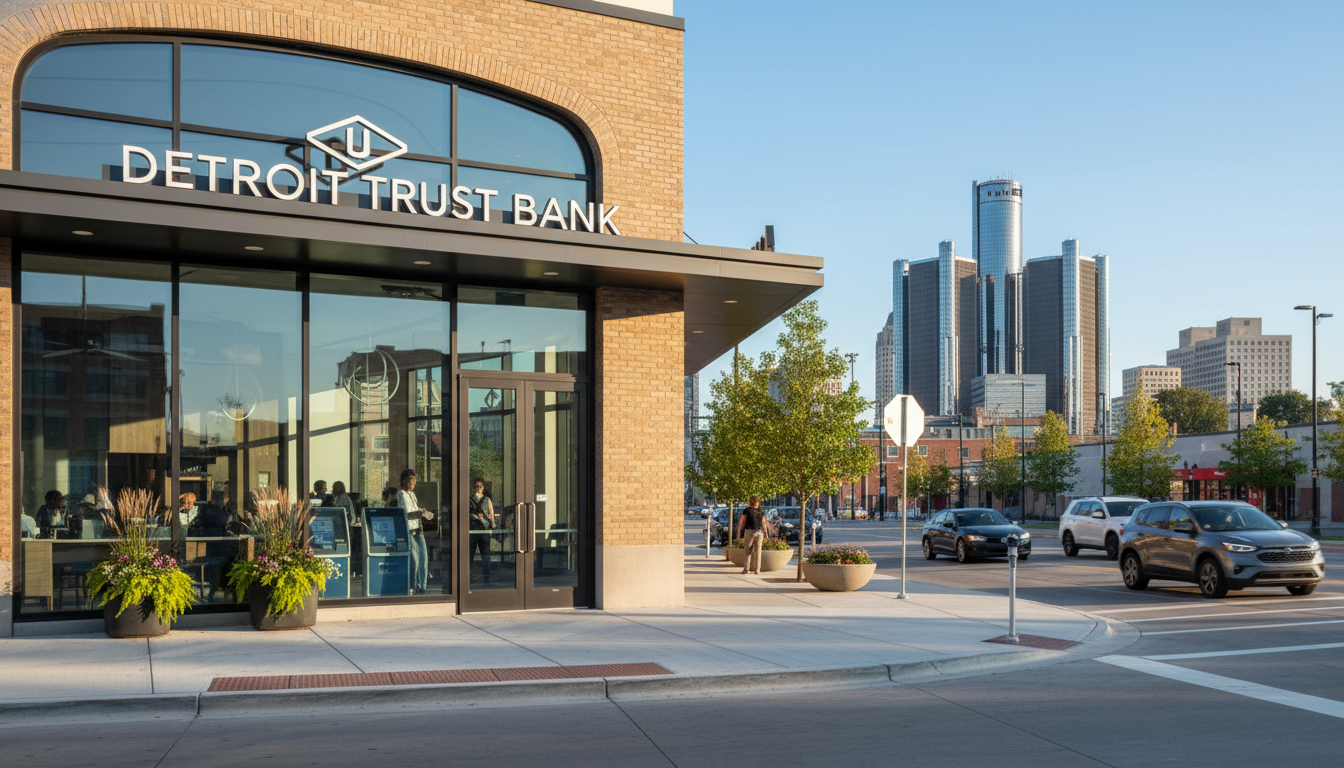
To address this, major financial institutions have begun to re-evaluate their physical presence in the city. Rather than the traditional high-rise model, banks are opting for community centers and neighborhood branches. For instance, JPMorgan Chase and Huntington Bank have launched multi-year initiatives specifically aimed at increasing their footprint within city limits. These efforts are not merely about aesthetics; they represent a strategic push to integrate financial services Detroit residents can trust into the fabric of the community. These branches often feature dedicated advisors to help residents navigate the complexities of credit repair and mortgage applications.
Expanding Access to Loans and Credit in Detroit Neighborhoods
One of the most significant hurdles for Detroiters has been the “appraisal gap” and the difficulty of securing conventional mortgages in neighborhoods with fluctuating property values. To combat this, the City of Detroit, in partnership with several local lenders, established the Detroit Home Mortgage program. According to the City of Detroit’s Housing and Revitalization Department, this initiative allows qualifying borrowers to receive a second mortgage to bridge the gap between a home’s purchase price and its appraised value, specifically targeting those looking to renovate blighted properties.
The impact of these loans Detroit residents now have access to extends beyond homeownership. Small business lending has also seen a resurgence. Data from the Detroit Economic Growth Corporation (DEGC) indicates that through programs like Motor City Match, entrepreneurs are increasingly able to secure the capital needed to move from “idea to storefront.” This shift is critical as the city’s economic recovery depends on the stability of its small business ecosystem, which often acts as the primary employer in residential neighborhoods.
For more information on the evolving landscape of the city, see our previous reporting on Detroit real estate market developments, which often go hand-in-hand with these financial shifts.
Impact on Detroit Residents: Building Credit and Wealth
The practical impact of improved banking Detroit services is felt most keenly at the household level. When a resident moves from a check-cashing service to a traditional checking account, the savings in fees alone can amount to hundreds of dollars per year. Furthermore, the availability of credit-building tools is essential for long-term stability. Research published by the University of Michigan’s Poverty Solutions initiative suggests that even a modest improvement in a resident’s credit score can lead to significantly lower insurance premiums and better employment prospects.
Local community organizers emphasize that education is as vital as access. “It isn’t just about having a building on the corner; it’s about making sure people know how to use the products inside,” one community advocate noted during a recent financial literacy workshop in the Brightmoor neighborhood. Many of the new financial services Detroit has welcomed recently include “no-fee” accounts designed for low-to-moderate-income individuals, removing the barrier of minimum balance requirements that previously discouraged residents from opening accounts.
The growth of local small business initiatives has further highlighted the need for these banking relationships, as many federal and state grants require established business banking histories to qualify for relief or expansion funds.
Background & Data: The Role of CDFIs
A crucial but often overlooked component of the Detroit financial ecosystem is the role of Community Development Financial Institutions (CDFIs). These are specialized entities that provide credit and financial services to underserved markets. According to data from the Michigan Department of Insurance and Financial Services, CDFIs in Detroit have been instrumental in funding projects that traditional banks might deem too risky, such as affordable housing developments and minority-owned tech startups.
These institutions often work in tandem with larger banks. By providing the initial “seed” loans Detroit businesses need, they help stabilize projects to the point where traditional lenders feel comfortable stepping in. This collaborative model has been credited with the revitalization of the Livernois-McNichols corridor, where a mix of public, private, and philanthropic capital has transformed vacant storefronts into thriving local businesses.
External data from the City of Detroit’s official housing resources shows that the integration of these financial layers has led to a 15% increase in successful mortgage applications among first-time homebuyers in the city over the last three years, a promising sign of growing financial health.
What Happens Next: The Future of Digital and Physical Banking
Looking ahead, the future of banking Detroit will likely be a hybrid of digital innovation and continued physical presence. While mobile banking apps offer convenience, the high number of residents without reliable high-speed internet means that physical branches remain a necessity for many Detroiters. Industry experts predict that we will see more “micro-branches” and mobile banking units that travel to different neighborhoods on specific days of the week.
Furthermore, the focus on credit equity is expected to intensify. As the city continues to attract new residents and investment, the challenge for financial institutions will be ensuring that long-term Detroiters are not left behind. Maintaining a transparent and accessible system of loans and financial services Detroit residents can utilize to maintain their homes and grow their businesses will be the ultimate measure of success for the city’s financial sector. With ongoing oversight from local government and advocacy groups, the goal remains a Detroit where every resident has the tools necessary to participate fully in the city’s economic future.