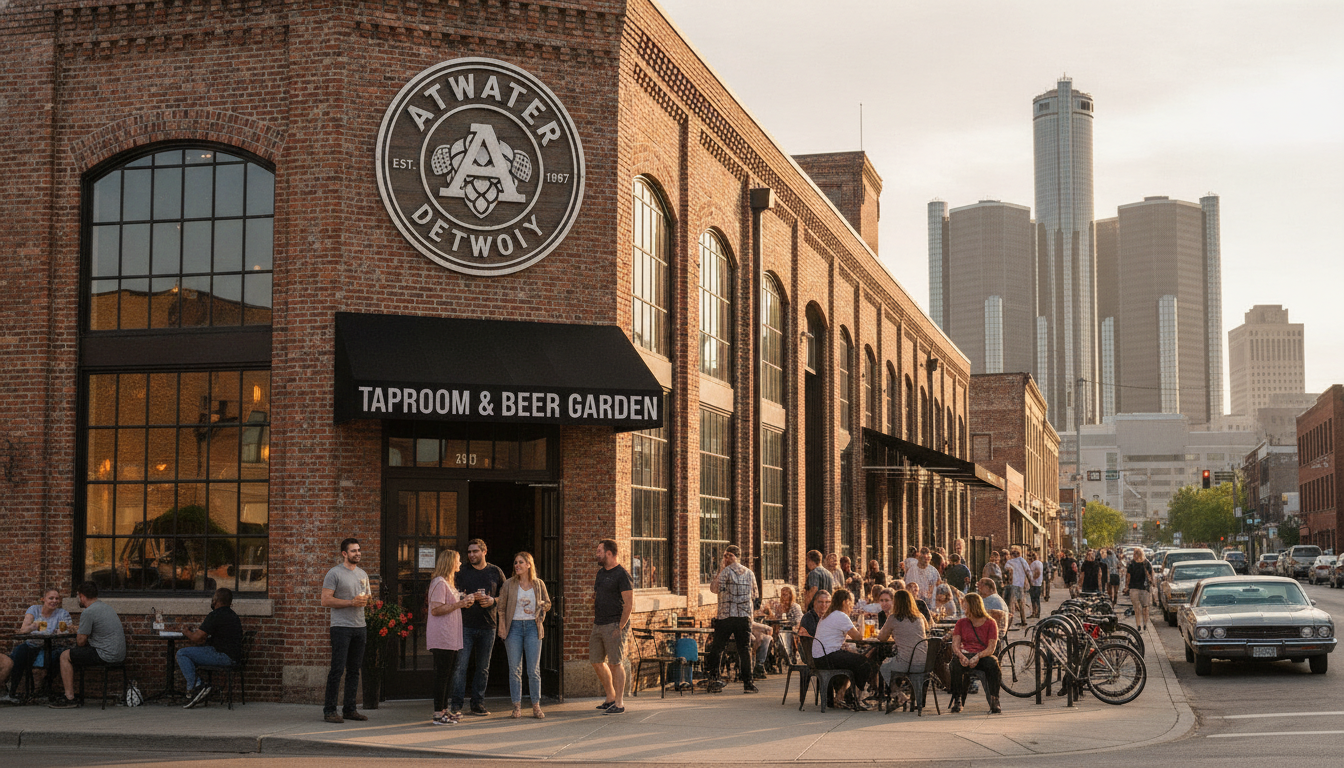
Atwater Brewery, a cornerstone of Detroit’s Rivertown neighborhood since 1997, is officially returning to local hands. The announcement marks a significant turning point for the iconic brand, which spent the last four years as part of the Tenth & Blake Beer Company, the craft division of beverage giant Molson Coors. The move to bring the brewery back into local fold is being hailed by industry analysts and residents alike as a major win for Detroit entrepreneurship and the city’s unique craft beer culture.
The Evolution of a Detroit Icon
Founded in a historic warehouse on Joseph Campau Avenue, Atwater Brewery was built on the mission of reviving Detroit’s German brewing heritage. For over two decades, it grew from a neighborhood taproom into a regional powerhouse, fueled by flagship offerings like Dirty Blonde and Vanilla Java Porter. However, in early 2020, the brewery was acquired by Molson Coors in a deal that many at the time saw as a way to scale the brand nationally. While the acquisition provided capital for expansion, it also placed the brewery within a massive corporate framework, a move that some purists felt distanced the brand from its gritty, grassroots Detroit identity.
According to reports from the Detroit Free Press and industry filings, the decision for Molson Coors to divest comes as the multinational corporation narrows its focus on its core portfolio. This trend is mirrored across the industry, as large conglomerates re-evaluate their positions in the craft beer market. The return to local ownership signifies a desire to refocus on the core values that made Atwater a household name in Michigan: community, authenticity, and local pride.
Impact on Detroit Residents and Workers
The shift back to local ownership is expected to have a tangible impact on the city’s economy. Local business owners and employees at the Rivertown taproom have expressed optimism about the change. Historically, locally-owned businesses tend to reinvest a higher percentage of their revenue back into the local community compared to large corporations. For Detroit residents, this could mean more localized marketing efforts, partnerships with Detroit-based non-profits, and a more agile approach to seasonal releases that reflect the city’s tastes.
Furthermore, the move is expected to stabilize employment at the brewery’s various locations, including its Detroit taproom and its presence at Detroit Metropolitan Airport. When a business is locally owned, decision-making happens within the city limits, allowing for more responsive management that understands the specific challenges and opportunities within the Detroit business landscape. City officials have noted that strong local brands are essential for the ongoing revitalization of neighborhoods outside the immediate downtown core.
The State of Michigan Craft Beer
Data from the Brewers Association, a national trade group representing small and independent craft brewers, shows that Michigan consistently ranks among the top five states in the country for the number of craft breweries. However, the industry has faced headwinds in recent years due to rising aluminum costs and shifting consumer preferences toward seltzers and ready-to-drink cocktails. The return of Atwater Brewery to local ownership is seen as a bellwether for the sector’s resilience.
“The craft beer industry in Michigan is built on the foundation of local identity,” says a report from the Michigan Brewers Guild. “When a legacy brand like Atwater returns to its roots, it reinforces the idea that craft beer is, at its heart, a local industry.” This sentiment is echoed by many who see the return of Atwater as a template for other Detroit development projects that prioritize local stakeholders over distant corporate interests.
Entrepreneurship and the Detroit Comeback
The return to local ownership is not just a win for beer lovers; it is a significant moment for Detroit entrepreneurship. The transition highlights the growing capability of local investment groups to take back major assets from global corporations. According to the Detroit Economic Growth Corporation (DEGC), the city has seen a steady increase in the number of locally-owned hospitality and manufacturing businesses over the last five years. Atwater Brewery stands as a high-profile example of this trend.
The new ownership group, comprised of veteran investors with deep ties to the Great Lakes region, has signaled a commitment to maintaining the quality and consistency of Atwater’s products while also exploring new innovation. This includes potential upgrades to the Rivertown facility and a renewed focus on the brewery’s role as a gathering place for the community. The brewery’s history is inextricably linked to the revival of the Rivertown district, and its return to local hands ensures that its future will be guided by those who live and work in the city.
What Happens Next for Atwater Brewery
Looking ahead, the transition is expected to be seamless for consumers. Fans of Dirty Blonde and Whango will still find their favorite brews on store shelves, but they may notice a more prominent emphasis on “Detroit-made” branding. The new owners have hinted at several upcoming initiatives, including collaborations with other local food and beverage producers and a refreshed events calendar at the Detroit taproom. As the brewery moves away from the corporate structures of Molson Coors, it gains the flexibility to experiment with small-batch releases and community-focused events that were previously difficult to coordinate under a larger umbrella.
In the broader context of Detroit’s economic recovery, the return of Atwater Brewery serves as a reminder that the city’s most valuable assets are often its home-grown ones. By reclaiming its independence, Atwater Brewery is not just returning to its past; it is paving the way for a more sustainable and locally-integrated future. As the craft beer landscape continues to evolve, Detroit’s beer scene remains a vital part of its cultural and economic fabric, with Atwater Brewery once again leading the charge as a locally-owned icon.