For many Lebanese families in Metro Detroit, the devastation unfolding in Gaza is not an international news item—it is personal. A new report capturing community sentiment describes how Michigan Lebanese residents are processing grief, uncertainty and political shock from thousands of miles away, while continuing to work, raise children and navigate daily life in the region.
The feelings are especially acute for those with relatives in Lebanon, Gaza or across the Middle East, the report says, and for families trying to balance long-distance support with the limits of what individuals in the diaspora can influence. Local observers say the emotional toll is also shaping community conversations here in Detroit—at places of worship, cultural gatherings and through mutual-aid networks that have become hubs for both information and care.
Detroit Lebanese community reacts as Gaza devastation reaches family ties
According to the American-Arab Anti-Discrimination Committee (ADC), diaspora communities across the United States have reported heightened anxiety and burnout as news coverage of the Middle East intensifies, particularly when families feel directly connected to events through relatives. The organization documents how prolonged conflict can turn what begins as “keeping up” with events into sustained emotional strain.
In the Metro Detroit area, community members describe coping through phone calls, remittances and shared updates—yet they also say the gap between what people in Gaza experience and what families abroad can provide is widening. Community leaders interviewed for the report emphasize that the distance can be as difficult as the headlines themselves.
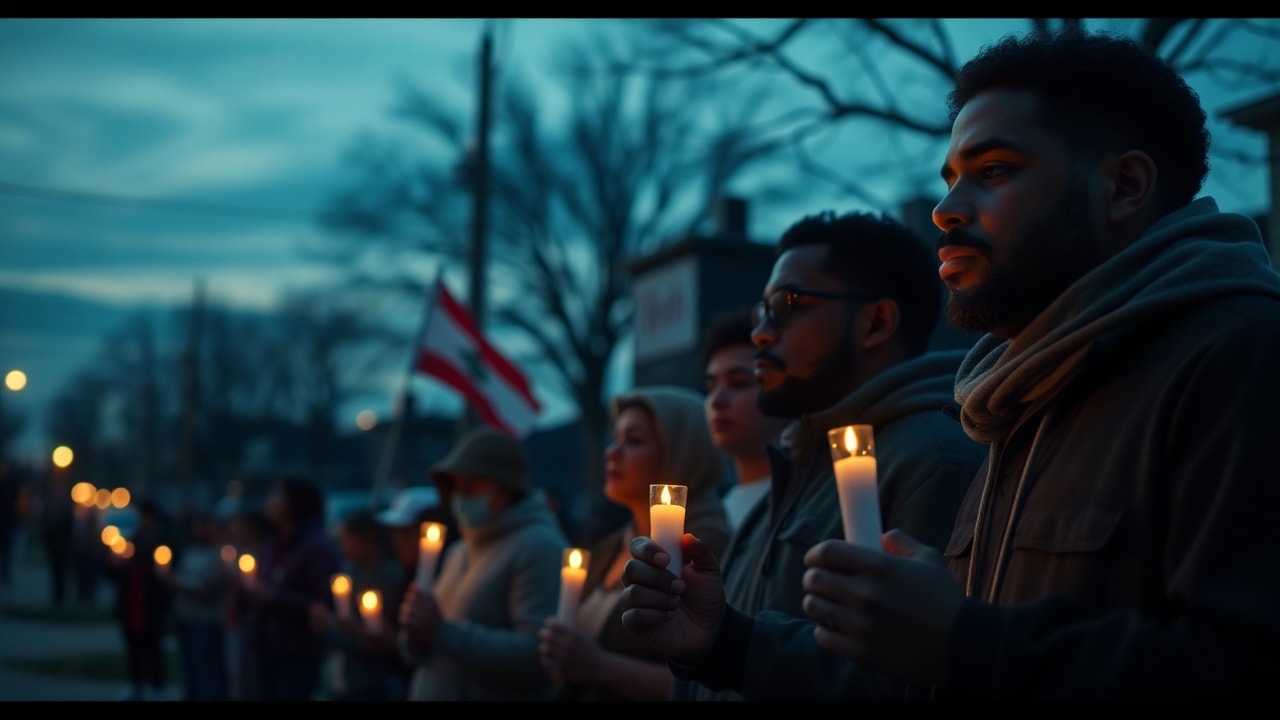
“When you’re watching from afar, every update carries weight because you’re imagining it in your family’s life,” one Lebanese community organizer said, describing how the community organizes prayer vigils and informational gatherings to respond to new developments. While the report focuses on lived experience rather than formal polling, it links widely shared concerns: fear for civilians, questions about humanitarian access and an intense sense of helplessness.
Local community support grows alongside uncertainty
In Metro Detroit, where many Lebanese residents have deep roots in the region’s decades-long immigrant history, mutual-support structures tend to be informal but resilient—coordinating ride shares for elders, supporting families with childcare during stressful periods, and helping people interpret rapidly changing news. Several local groups say that during major Middle East crises, they see increased demand for translation support, legal information and counseling referrals.
Meanwhile, national reporting outlets have also highlighted the broader American context: the U.S. Department of State has repeatedly urged Americans to monitor official guidance about travel and safety, reflecting how conflict conditions can affect regional stability. While that guidance is designed for travelers, it often becomes part of broader community conversations, the report notes, because families are trying to assess what “safe” means when family members might be in multiple countries.
Impact on Detroit Residents
The war impact on families can look different in a Detroit setting than it does across the Atlantic. For Michigan Lebanese residents, the immediate consequences often show up in mental health and community dynamics rather than in household budgets—though financial strains can emerge when families redirect spending to humanitarian aid or emergency needs.
The emotional impact can also intersect with local social life. Some residents say they are more likely to avoid political debates at work or school, while others report that conversations are increasingly unavoidable—online, in community events, or even in mixed social circles. Community stakeholders note that prolonged conflict can heighten tensions in any group where identity and history are closely tied to international events.
Pressure on families and caregivers
According to the U.S. Department of Health and Human Services, prolonged exposure to distressing events can contribute to anxiety and stress-related symptoms, particularly for people who are directly connected to the conflict. Advocates interviewed for the report say this is visible in Detroit-area households: parents try to explain fast-moving events to children while also managing their own uncertainty about relatives and friends overseas.
Detroit Lebanese community members describe a cycle that includes checking updates multiple times a day, attending prayer or community gatherings for emotional support, and then trying to return to normal routines at work. For individuals employed in customer-facing roles or healthcare, the mental load can become physically exhausting.
Community outreach and information needs
In addition to emotional support, the report points to practical needs: verifying information, locating humanitarian assistance channels, and understanding what aid work is feasible from abroad. Metro Detroit organizations say they have increasingly served as “connective tissue,” helping residents route questions to experts and credible resources rather than rumor-driven social media.
These efforts can take on a public-facing character as well. In past conflict cycles, local community media and cultural associations have held panels or information sessions to discuss humanitarian law, civilian protection and how to identify trustworthy sources—patterns the report says are repeating as Gaza devastation continues.
Background & Data on the diaspora experience
While the report focuses on Detroit and surrounding areas, it draws on broader context documented by U.S. agencies and advocacy groups. Data from the U.S. Census Bureau shows that the Detroit metropolitan area is home to a diverse Middle Eastern and diaspora population, including communities with Lebanese heritage. The Census Bureau’s broader estimates on ancestry and national origins help explain why events in the Middle East resonate across multiple Detroit neighborhoods and suburban corridors.
For families in the diaspora, the report describes a communication reality: modern messaging tools enable frequent contact, which can keep relatives emotionally present even when they are physically distant. That constant connection, while meaningful, can also extend the duration of distress and reduce opportunities to “step away” from traumatic updates.
In the U.S., mental health professionals have also emphasized the role of community belonging in coping. The report notes that for many Lebanese residents, faith-based spaces and cultural organizations provide structure—shared routines, language familiarity and the ability to grieve collectively rather than in isolation.
What Happens Next for Metro Detroit’s Lebanese community
The report suggests the community’s response is likely to remain multi-layered: humanitarian fundraising, continued advocacy for civilian protection, and expanded local support services for those struggling to cope. Local stakeholders say they are planning a mix of short-term efforts—such as community prayer gatherings and aid coordination—alongside longer-term steps, including connecting residents to counseling resources and informational workshops.
At the policy level, U.S. government communications may also shape what community members do next. The U.S. Department of State maintains a range of public safety and travel advisories for different regions, and diaspora communities often interpret those updates as part of their broader family risk assessments. Even when residents are not traveling, those advisories can influence how families allocate time for calls, visits and emergency planning.
For Detroit residents observing the situation from outside the community, the report underscores a practical takeaway: supporting neighbors during long-term crises often starts with creating space for grief and avoiding dismissive rhetoric. Organizers say the most effective community responses are those that provide clear, credible information, protect people from harassment and keep humanitarian focus centered on civilian needs.
As Gaza devastation continues, Detroit’s Lebanese community is navigating a familiar but painful diaspora challenge: holding onto everyday life while waiting for safety and stability to return to loved ones abroad. In interviews and community discussions captured by the report, many residents say that even when distance limits action, solidarity—through prayer, aid and careful attention to credible information—still matters.