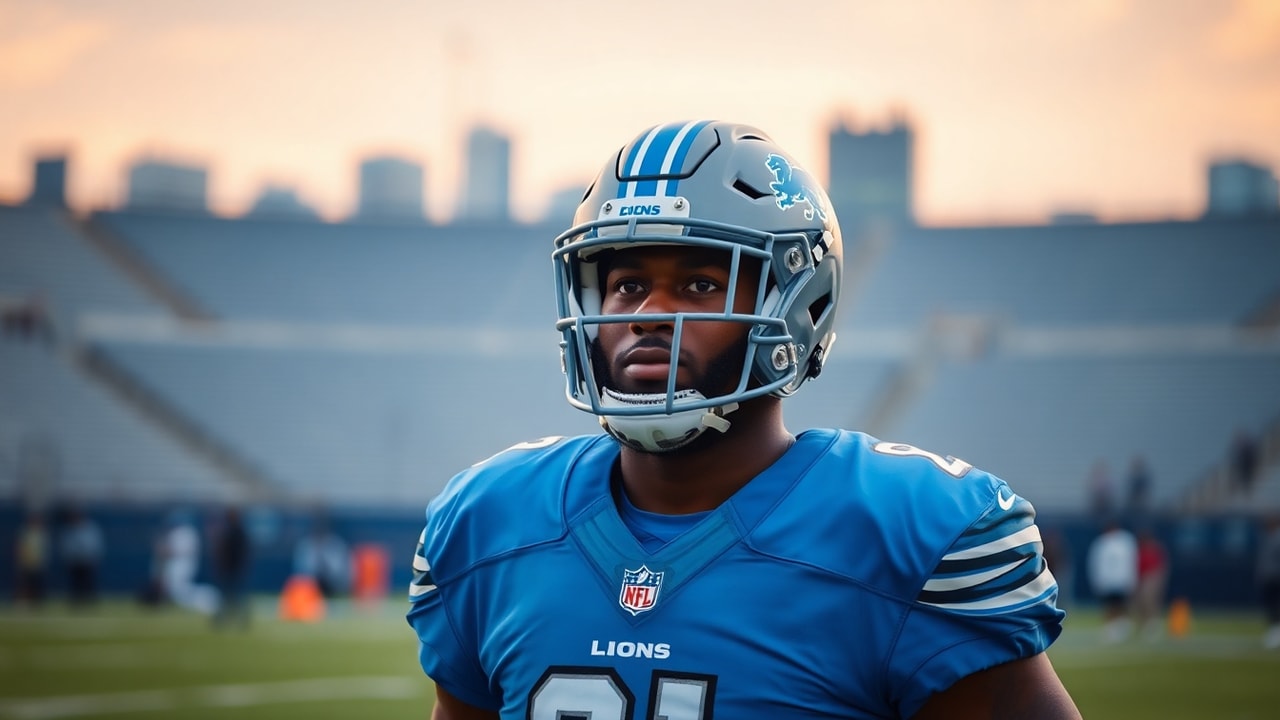
Detroit news and NFL coverage intersect after Detroit Lions cornerback Terrion Arnold faced an arrest this week. Team and camp sources said Arnold’s representatives provided a brief response emphasizing accountability and readiness to address the situation through the proper process.
Arnold’s camp statement comes as Lions fans look ahead to training camp and the start of the regular season, while Detroit-area leaders continue to stress due process and community standards for high-profile athletes.
What the Terrion Arnold camp statement said
According to a CB arrest statement issued by Arnold’s camp, the NFL defensive back acknowledged that an incident occurred and said he is taking the matter seriously. The statement indicated that Arnold will continue cooperating with the authorities and remain focused on moving forward through the legal process.
The Lions have not publicly detailed the underlying circumstances in a way that changes the core message of the statement: the situation is being handled through the courts, and Arnold is expected to follow the appropriate steps.
Detroit Lions and the NFL’s response framework
While the Lions’ public comment has remained limited, the league’s handling of player conduct generally follows a structured approach. The NFL’s conduct and discipline process is designed to account for pending legal matters, team commitments, and public interest.
According to the NFL’s own public guidance on player conduct, the league reviews cases through established channels that can include assessment after legal proceedings conclude. In practice, teams may also adjust participation expectations during the period where facts are still developing.
Lions officials typically balance transparency with the constraints of ongoing investigations. In this case, the Detroit news focus has centered on the Terrion Arnold camp statement and what it suggests about the team’s near-term posture.
Impact on Detroit residents and the wider sports community
For many Detroit residents, the story is about more than football. High-profile athletes often become symbols of local pride, and incidents involving them can spark broader conversations about accountability, role models, and consequences.
Local civil rights and community advocates have long argued that public discipline narratives can unfairly shape outcomes before facts are fully known. At the same time, they emphasize that athletes should be held to standards commensurate with their platforms.
According to the Michigan State Police, public safety agencies investigate incidents by collecting evidence, interviewing witnesses where appropriate, and coordinating with prosecutors to determine what charges—if any—apply. That investigative timeline is often a key reason why public details remain limited while matters are pending.
Detroit residents also weigh how any league or team actions could affect the community’s relationship to sports. The Lions draw fans from throughout southeast Michigan, and their offseason programs are closely followed by youth football groups and local charities that partner with the organization.
Background & data: why these statements matter
In cases involving NFL players, a camp-issued CB arrest statement typically serves multiple purposes: it communicates the player’s perspective, signals whether the athlete disputes key claims, and sets expectations for cooperation with authorities. It also helps prevent a vacuum in information while details are verified.
In Detroit, where the sports and civic identities often overlap, communications from teams and players can carry added weight. A Detroit Local Living & Info lens is especially relevant because residents may rely on local outlets to interpret what’s confirmed, what’s alleged, and what remains unknown.
Data from the U.S. Census Bureau shows Detroit and the surrounding region remain a highly urban, densely populated metro area, where public attention to safety and policing is consistently high. When an arrest becomes part of a major news cycle, residents may understandably connect it to broader conversations about justice and public trust.
What happens next for Terrion Arnold and the Lions
Because legal proceedings are separate from NFL employment decisions, the immediate question for fans is how the Lions will handle Arnold’s participation during training camp. In similar situations across professional sports, teams often wait for clearer legal outcomes before determining long-term disciplinary actions.
What to watch in the coming days and weeks:
- Court and prosecutorial updates: Any changes to charges, bail conditions, or hearing dates can reshape how the team and league proceed.
- Team availability decisions: The Lions may limit participation if they believe it’s necessary while facts are still developing.
- League review: The NFL may evaluate the situation under its conduct policies once it has sufficient verified information.
- Community response: Because Arnold is a Detroit-area figure, the organization may consider how involvement in community activities aligns with the evolving situation.
Until more verified details are released, the Terrion Arnold camp statement remains the most concrete communication from Arnold’s camp, setting a tone of seriousness and cooperation.
Why Detroit residents should stay with confirmed facts
With incidents involving public figures, misinformation can spread quickly—especially during the fast-moving news cycle of training camp and roster news. Detroit readers are encouraged to treat early reports carefully and to follow updates from official sources.
Local outlets often face a difficult balancing act: informing the public without amplifying unverified claims. The fairest approach in the early stage is to separate what is confirmed by court records and law enforcement from what is still under investigation.
For now, the key takeaway for Lions fans is that Arnold’s camp is communicating through a CB arrest statement that he is taking the situation seriously while the legal process continues.
As the Detroit Lions move forward with camp preparations, the region will also be watching how the organization responds—both in the locker room and in the court of public opinion—until the facts are fully established.