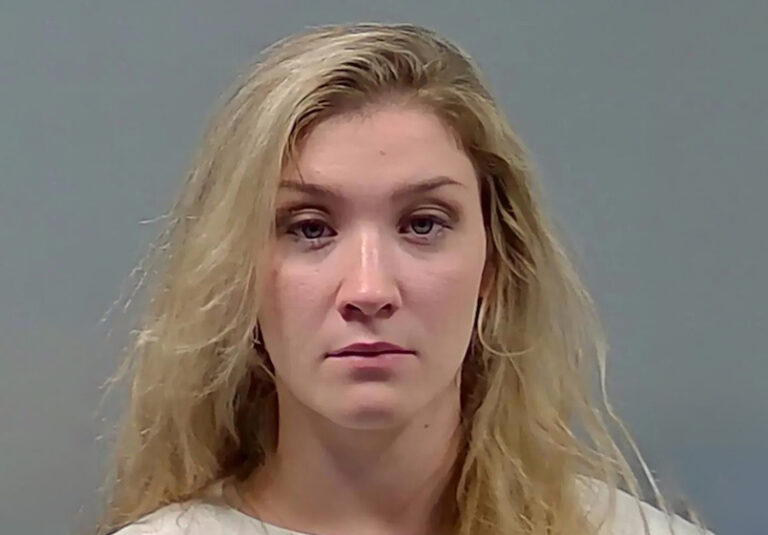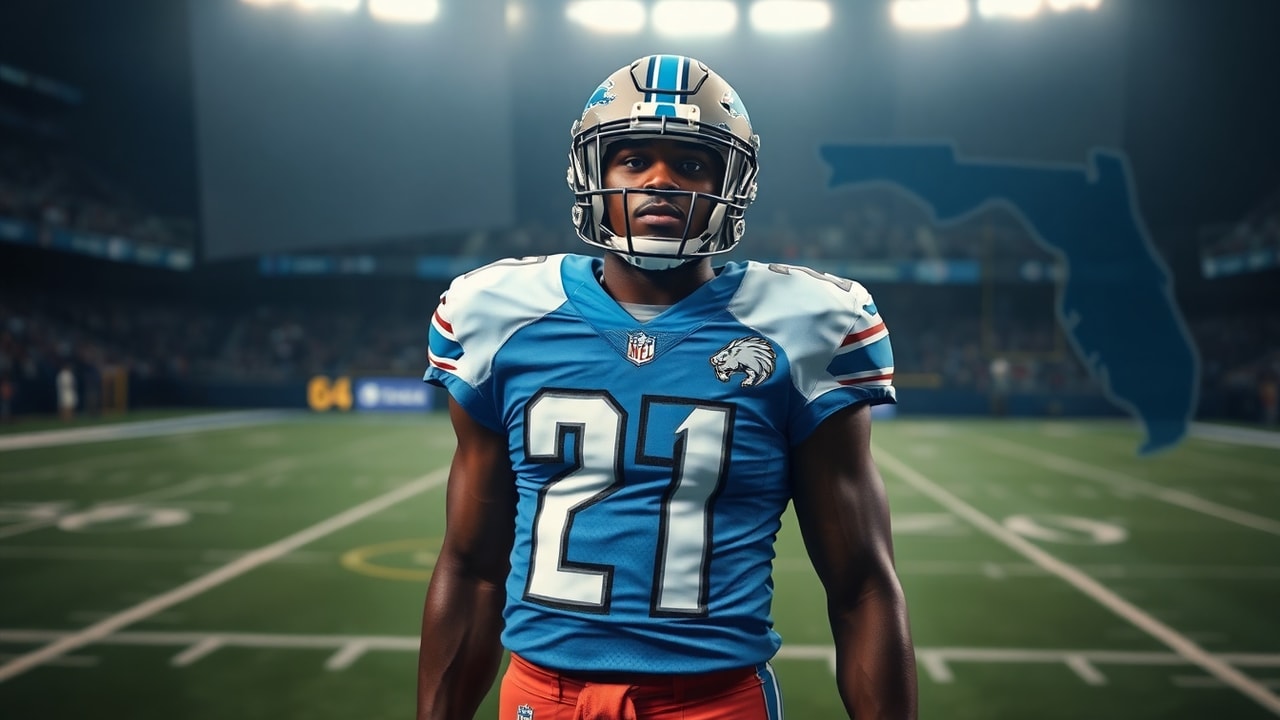
Detroit Lions cornerback Terrion Arnold has been charged in connection with an armed robbery case in Tampa, Florida, according to court records and statements reported by local authorities. The case involves eight felony counts, raising additional questions for the NFL player’s legal situation and for the team’s offseason plans as the Lions prepare for the next season.
Arnold, a defensive back on the Lions roster, was charged in Tampa armed robbery allegations that include serious firearms-related counts, as reported in filings made in Hillsborough County. The charges mark a new chapter in NFL player legal trouble that has drawn attention far beyond Florida and is likely to be closely followed by Lions fans in Detroit.
CB arrest charges in Tampa armed robbery case
Prosecutors in Hillsborough County outlined allegations through criminal filings that include eight felony counts, according to reporting that cites the public record. The charges stem from an incident described by law enforcement as involving threats and the presence of a weapon during a robbery.
As of publication, it is not clear when the next court event is scheduled or whether Arnold has entered a plea. Attorneys and court officials typically determine next steps based on filing deadlines, bond conditions, and the timeline for discovery and preliminary proceedings.
A spokesperson for the Hillsborough County State Attorney’s Office did not provide additional details beyond what is reflected in the court record, according to information included in coverage of the case. The Lions have also not indicated how the charges will affect roster decisions, though teams generally track legal developments closely and align responses with guidance from league and legal counsel.
What this means for the Detroit Lions
From Detroit’s perspective, the immediate impact is less about game-day tactics and more about the legal timeline and team operations. When a player faces felony charges, teams typically reassess disciplinary posture, participation rules, and how the organization communicates with the public and the league.
“NFL organizations usually handle these situations through a combination of legal counsel and league protocols,” said an attorney specializing in sports law who was referenced by a major national legal outlet in similar cases involving athlete misconduct. Because each case turns on its facts and procedural posture, the team’s next steps would likely depend on whether any protective orders, reporting restrictions, or condition-of-release requirements are imposed by the court.
For Lions fans, the questions are straightforward: Will Arnold remain available, will he miss offseason programs, and how will the situation affect depth chart and contract considerations? Those issues often hinge on whether the charges involve conduct occurring during the team’s active season, whether the court requires travel restrictions, and how quickly hearings are scheduled.
Impact on Detroit residents
While the alleged incident occurred in Florida, the fallout is local for Detroit residents who follow the Lions and the broader sports culture in the city. Detroit’s relationship with its NFL team is a major part of the region’s media ecosystem, from watch parties to local radio and fan communities.
Legal developments involving a high-profile player can also affect community sentiment. In recent years, Detroit-based community advocates and local public officials have emphasized the importance of accountability while recognizing due process. That balance is particularly relevant in cases involving felony allegations, where prosecutors must prove claims in court and defendants retain the right to contest evidence.
For local employers and small businesses that rely on game-day traffic—sports bars, restaurants, and street-level vendors—uncertainty around a marquee player can shift consumer behavior, especially during high-interest stretches when fans organize around training camp storylines. Even without a direct Detroit nexus, the national attention on Detroit Lions personnel can ripple into Detroit’s event economy.
At a broader civic level, the case also reinforces concerns residents often raise about how violence allegations—particularly those involving firearms—are handled by the justice system and reported by media. According to the U.S. Department of Justice, violent crime and firearm-related incidents have been treated as a policy priority at both federal and local levels, with prosecutors and law enforcement emphasizing investigations, evidence handling, and victim support.
Background & data on NFL legal trouble and accountability
High-profile athlete cases are not new in the NFL, and organizations typically respond through league conduct policies, team discipline processes, and review of the player’s status as a matter of public record. When charges are filed, the legal system becomes the primary venue for resolving disputes, and outcomes can vary widely depending on evidence, witness testimony, plea negotiations, and procedural rulings.
In general terms, courts in the U.S. operate on a presumption of innocence, and charges represent accusations rather than proof. Still, felony allegations can carry immediate practical consequences—especially when they involve weapons or alleged threats. Those cases often require more documentation, more complex evidence review, and longer timelines for resolution.
As for how Detroit residents process such developments, local sports commentators often frame the issue through two lenses: accountability and team stability. For many fans, the question is not whether the case is being discussed nationally, but whether the Lions can maintain continuity on the field if off-field events disrupt preparation.
What happens next
Arnold’s case will move forward through the Florida court system, with next steps typically including arraignment, possible bond hearings, and deadlines for discovery. Prosecutors may pursue additional filings depending on how the defense challenges evidence and whether further witnesses or records are introduced.
From the team standpoint, Lions officials may wait for procedural milestones before offering comment. The organization could also adjust participation decisions related to offseason workouts and team activities, depending on whether the court places conditions on travel, contact, or reporting requirements.
For now, Detroit-area fans are likely to keep following official updates and court filings, while the Lions continue building toward the next season. Any resolution—whether through dismissal, plea agreement, or trial—will determine how the Terrion Arnold situation ultimately affects his NFL future and the team’s long-term planning.
Correction note: This article is based on publicly reported court information and coverage referencing the case record. Further details may emerge as the matter progresses through the court system.