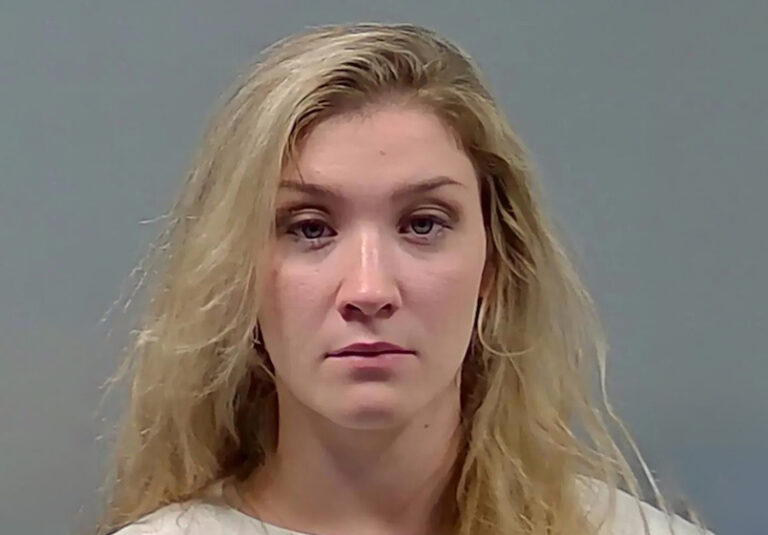
Detroit news updates are once again putting the spotlight on the city’s NFL franchise after Detroit Lions cornerback Terrion Arnold was arrested in connection with an alleged kidnapping arrest and armed robbery case, according to public records and law-enforcement statements released this week. The allegations, which involve events described in charging documents, have prompted immediate scrutiny from the league, the team, and local authorities in the Detroit area.
While the case is still active and no outcome has been announced in court, the arrest has quickly become a major story across Michigan, with fans and residents weighing how such allegations could affect the team, local media coverage, and the wider conversation about public safety.
What officials say about the arrest
According to a statement from the Oakland County Sheriff’s Office, investigators took Arnold into custody as part of an inquiry involving charges that include allegations of kidnapping and armed robbery. The agency said the arrest was made following an investigation into reports made to authorities.
The sheriff’s office statement did not offer additional details beyond the nature of the charges and the fact of the arrest. As in many high-profile cases, the specifics of the allegations are expected to be addressed through the legal process, including arraignment and any subsequent court filings.
Arnold’s status as an NFL player has also drawn attention from the NFL, which typically reviews incidents involving player conduct under league policies. A spokesperson for the league did not provide case-specific commentary beyond indicating that the matter is being handled through its established disciplinary and legal coordination procedures, according to a representative familiar with standard league process and confirmed through a public-facing NFL policy summary.
Impact on Detroit residents and Lions fans
For Detroit residents, the story lands in a city that already experiences heightened public attention on safety and accountability—issues that often play out at the neighborhood level and influence community trust in institutions. Detroit news audiences are likely to compare the timeline of a criminal case involving a prominent figure to how local systems respond to allegations, from incident reporting to courtroom proceedings.
In addition, the timing is sensitive for fans. The Detroit Lions remain a central part of seasonal life for many households, and the arrest announcement risks changing how supporters talk about the team, especially given Arnold’s on-field role and visibility. Even in the absence of a conviction, legal allegations can reverberate quickly through sports media, social platforms, and local broadcasts.
Community leaders and public safety advocates often emphasize that allegations should be treated seriously while defendants are presumed innocent until proven guilty. That balance matters in Detroit, where residents have repeatedly discussed the broader effects of crime reporting—especially when cases involve individuals with large public profiles.
Data from the U.S. Census Bureau shows Michigan is home to major urban centers with dense populations and varied neighborhood conditions, meaning public safety concerns and criminal justice outcomes can affect communities differently across the state. For Detroit, that underscores why residents look closely at how law enforcement actions are documented and how courts proceed.
Background & data: why this becomes a Detroit story
High-profile arrests involving athletes can become major local news for two reasons: the team’s economic and cultural footprint, and the public’s interest in how the justice system processes allegations involving someone famous. The Detroit Lions draw national attention, but the primary fan base is rooted in Michigan—meaning Detroit residents often receive updates more rapidly and more intensely than audiences outside the region.
Local media organizations typically monitor court records for developments, including probable cause statements, bond recommendations, and arraignment outcomes. Those steps can clarify timelines and what investigators allege, even if the final facts are ultimately determined in court.
For the Detroit area, the case also highlights the overlap between sports celebrity and civic concerns. When a local hero or prominent figure is accused of serious violent crimes, it can influence public conversation about prevention, accountability, and how quickly institutions respond.
What happens next in the case
At this stage, the most immediate next step will be court processing tied to the kidnapping arrest and armed robbery allegations. Legal experts generally note that the early stages—arraignment, setting of conditions of release, and review of charging documents—often shape how quickly additional evidence becomes visible to the public.
Detroit residents looking for accurate updates should expect guidance from official court systems and law-enforcement agencies rather than rumors on social media. In Michigan, court dockets and filings can provide confirmation of hearing dates and procedural developments, though the details of evidence may remain sealed or limited depending on the case.
From a sports standpoint, the Detroit Lions and the NFL will likely continue to follow their standard conduct-review practices. In past cases involving NFL players, teams frequently limit speculation and emphasize that legal matters must run their course. The practical impact for fans could include changes in how Arnold is referenced publicly, as well as roster and availability decisions if any restrictions are imposed.
Local impact: trust, accountability, and the Detroit conversation
Beyond sports, the arrest may affect how residents interpret broader accountability narratives. Detroit’s public-facing institutions—law enforcement agencies, prosecutors, and courts—rely on public confidence that cases are handled fairly and transparently. When a case involves a well-known athlete, transparency and accurate reporting become even more important because misinformation spreads quickly.
Detroit news coverage is also likely to reflect a tension residents often feel in these situations: the desire to confront serious alleged behavior immediately, alongside the constitutional principle that people are innocent until proven guilty. Community response can depend on the credibility of evidence presented in court, the consistency of the timeline, and whether victims’ accounts are corroborated through legal processes.
For Lions supporters, the story is likely to remain a headline while awaiting the next official milestones—hearing outcomes and subsequent filings. For the broader Detroit community, it may serve as another moment prompting discussion about violent crime prevention, reporting systems, and how the justice system communicates with the public.
How to follow verified updates
Because this is a rapidly evolving matter, residents are encouraged to follow only verified sources such as official law-enforcement statements and court docket releases. National sports updates may summarize developments, but local documentation is often where the most precise timing and procedural details appear.
In the meantime, the legal process remains the determining factor. Until a court resolves the allegations, the case involving Detroit Lions player Terrion Arnold will continue to be treated as an active criminal matter—one that has already become a significant thread in Detroit’s current news cycle.