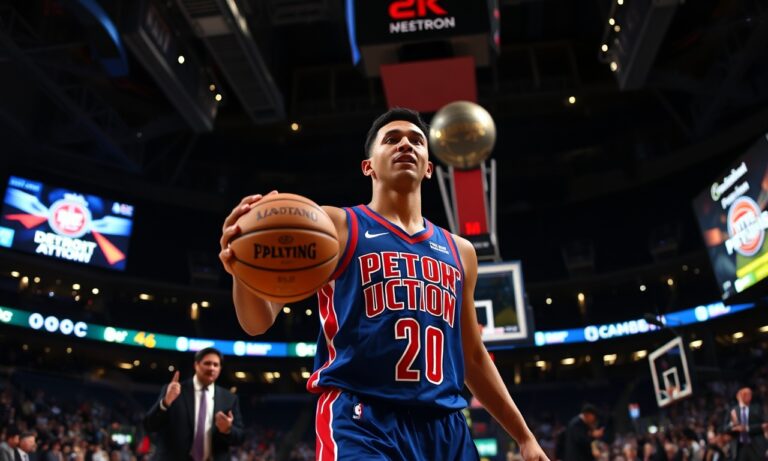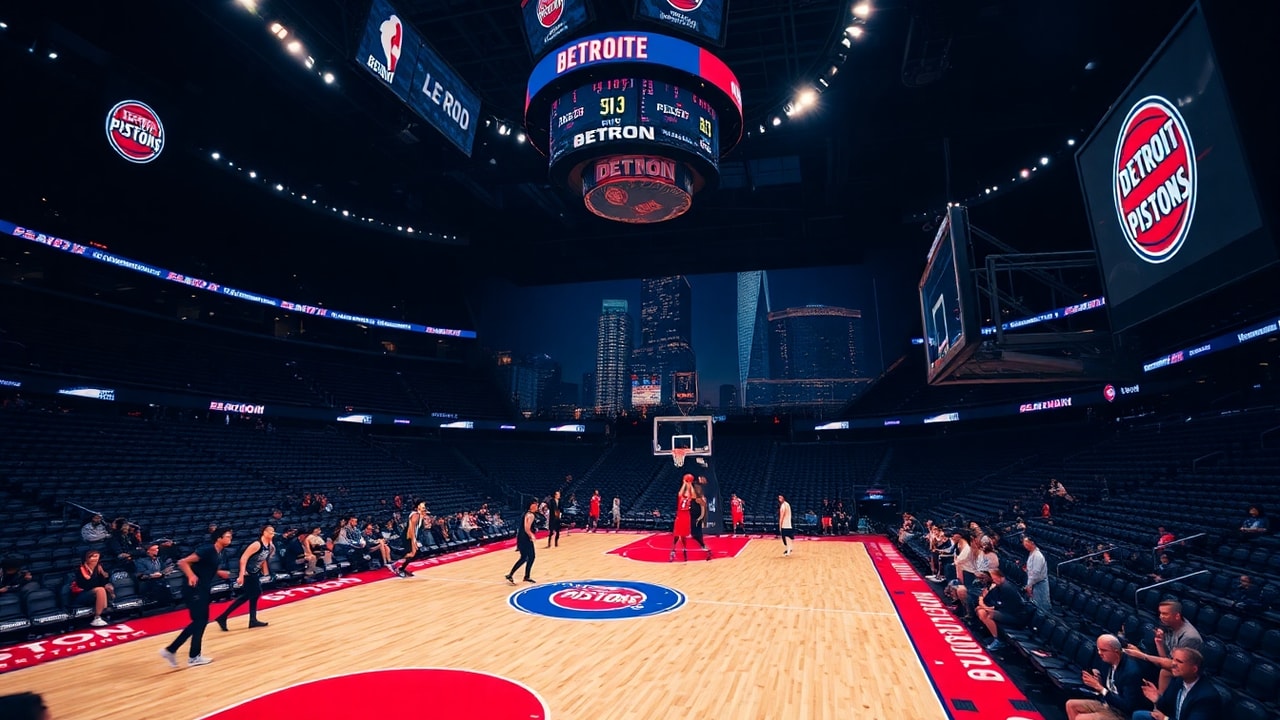
The Detroit Pistons’ offseason planning is beginning to take on a sharper competitive edge, with recent reports indicating the franchise is weighing a big-name player pursuit as part of a longer-term effort that management has framed as an upgrade cycle rather than a quick reset. For fans and Detroit business leaders watching the team’s trajectory, the question now is how an NBA title quest—and the deals that come with it—could ripple beyond Little Caesars Arena.
Multiple NBA insiders have pointed to a market where contending teams are reshaping rotations through trades, and where players on the margin of championship contention could become targets. While Detroit’s exact shopping list won’t be confirmed publicly until negotiations are finalized, the Pistons’ front office has strong incentives to increase roster quality quickly: the team has already signaled it wants to grow around its core with better shooting, more consistent ball-handling, and defensive stability—areas that typically become priorities once a team’s development window tightens.
Detroit Pistons expected to engage in NBA trade rumors
According to ESPN NBA coverage, several teams are exploring roster moves aimed at improving competitiveness without fully disrupting their future. That environment often produces a short window in which high-leverage deals—player-and-asset packages rather than minor rotations changes—can shift the standings.
Detroit-based reporting and league-wide chatter suggest the Pistons could respond to that market by pursuing at least one big-name player rather than relying solely on the draft and internal development. That approach aligns with how NBA teams typically structure a title-contending push: they identify the most expensive, high-impact roles—such as shot creation, perimeter defense, or elite floor spacing—and attempt to acquire them through trades or sign-and-trade frameworks.
For Detroit residents, that matters because trades at this scale usually involve not just players, but also future considerations such as second-round picks and protected draft assets. Even when those assets never leave the building permanently, the trade conversations themselves often reflect how aggressively a franchise is prioritizing near-term success.
Detroit offseason moves: roster upgrades tied to payroll strategy
Any Detroit offseason moves tied to a big-name player pursuit will also be evaluated through a financial lens. The NBA’s collective bargaining rules and salary cap structure can make certain acquisitions feasible only if a team clears room or trades for salary matching. As such, the Pistons’ rumored focus on high-impact talent should be read as part of a broader plan to balance competitiveness with the operational constraints of the league.
Data from the U.S. Census Bureau shows Detroit’s population demographics and household spending patterns are shaped by broader economic cycles. That context can influence how quickly local households respond to sports spending and how widely ripple effects from games and events are felt across the city.
While the NBA trade rumor cycle doesn’t directly change household budgets, it can affect consumer activity in entertainment districts. Ticket packages, hospitality reservations, and downtown foot traffic often rise when a team’s outlook improves, particularly when roster moves suggest a more serious run at the playoffs and, eventually, a sustained championship window.
Why “big-name” targets look different in Detroit
In Detroit, “big-name” does not automatically mean superstar headlines. It can also mean acquiring a star-level skill set—players who can play high minutes, raise the team’s ceiling, and reduce the margin for error in close games. Analysts typically emphasize that title teams need dependable roles: a reliable creator who can generate offense against set defenses, a perimeter stopper who can guard multiple positions, and spacing that keeps defenses honest.
That’s why the Pistons’ reported interest in adding proven talent fits the basic economics of roster building: development is valuable, but contending teams often reach a point where they need experienced players who can execute in playoff pressure situations. If Detroit’s front office believes the team is nearing that phase, it would explain why an NBA title quest has started to become more explicit in offseason planning conversations.
Impact on Detroit residents: downtown spillovers and local business activity
Sports spending rarely stays confined to arena seats. In Detroit, Little Caesars Arena is embedded in a broader downtown economy that includes restaurants, ride-share demand, parking operations, and nearby retailers. When roster moves create renewed optimism, it can translate into stronger game-day demand and more frequent media coverage—factors that tend to benefit local businesses.
According to the Downtown Detroit Partnership, downtown improvements and business activity are closely tied to consistent visitor traffic and major events. If Detroit’s season improves due to Detroit roster upgrades, it could contribute to the kind of steady demand the Partnership tracks through public-facing initiatives.
That said, residents should also consider the uncertainties. A high-profile trade pursuit can increase expectations, and expectations can cut both ways. If acquisitions fail to fit the team’s system or if injuries disrupt continuity, the roster change timeline can feel abrupt. However, even in those cases, the offseason’s visible intent—pursuing a larger-than-normal piece of the puzzle—often signals a franchise is investing to create long-term stability.
For Detroit’s younger fans and families, the potential upside is what economists would call “amenity effects”: better team performance can increase the perceived value of local entertainment options, strengthening cultural and community engagement around basketball.
Background & data: Detroit’s sports economy and how “contending” changes behavior
The Pistons are not the only Detroit team navigating a competitive timeline. Across U.S. sports markets, sustained winning affects fan behavior—attendance patterns, merch sales, and sponsorship interest. In Detroit, that dynamic is amplified because downtown businesses and tourism-related operations depend on repeat visitors, not just occasional event peaks.
While detailed local figures tied specifically to Pistons performance aren’t published in real time, broader economic indicators can offer context. The U.S. Census Bureau has tracked changes in household income and spending across the decade, which helps explain why a strong season can matter more in some periods than others. When incomes and consumer confidence are steadier, residents are more likely to spend on discretionary items like games and nearby dining.
In that setting, the reported push toward a big-name player pursuit can be seen as a bet that performance will boost discretionary spending and that the team’s brand momentum will reinforce downtown activity.
What happens next for the Detroit Pistons
In practical terms, the next step is negotiating—then executing—moves that satisfy both basketball needs and NBA financial constraints. If Detroit truly intends to make a meaningful leap in 2025-26, the team likely will explore trade scenarios that do two things at once: address high-impact roles and avoid sacrificing too much future flexibility.
Fans should also watch for how Detroit communicates internally. Even when negotiations are quiet, teams frequently signal direction through contract extensions, draft decisions, and how they manage roster minutes during training camp and early regular season games.
For residents, the local takeaway is straightforward: the Detroit Pistons are positioning the upcoming offseason as more than a routine reset. If the team follows through on NBA trade rumors and successfully translates its pursuit into measurable on-court improvement, downtown could feel the benefits through increased event activity and renewed attention—one more reason the city will be watching the Pistons as closely as ever during the offseason.