With the Detroit Pistons continuing to emphasize physical, possessions-by-possessions defense, the conversation around Detroit’s next matchup has shifted to how opponents—specifically Cavaliers vs Pistons—should adjust. Coaches and analysts are urging Cleveland to be aggressive in breaking down the Pistons’ defensive coverage, a challenge that could shape the game’s pace and late-game options.
Detroit’s defensive identity has been built on closeouts, disciplined help rotations and constant activity on the ball. In the league context, those tactics fit the broader push described by the NBA and data trackers: defenses that shorten passing windows and contest shots earlier tend to increase turnovers and reduce high-quality looks. For Cleveland, the question is whether it can turn Detroit’s pressure into sustained offense rather than one-and-done attempts.
Cavaliers vs Pistons: Why Detroit’s defense is the story
Multiple basketball observers have highlighted that the Pistons’ approach often looks similar from one possession to the next: defend the lane, deny middle drives, and force attackers into decisions under pressure. That can create the “defensive menace” effect—less about a single player and more about coordinated rotations that make every shot harder than it appears in live action.
According to NBA.com analysis and team reporting, modern defensive strategy increasingly focuses on controlling the paint, contesting without overcommitting, and limiting the number of clean reads an offense can find. When that structure holds, teams can recover quickly enough to prevent break opportunities—even after a successful first action by the offense.
For the Cavaliers, local momentum could hinge on how they respond to those constraints. Detroit’s defense tends to reward teams that attack the gaps it gives up, not the shots it wants you to take. Cleveland’s goal, according to several film-study-style takes discussed in league coverage, would be to create high-value touches early in the clock—especially by using ball movement and off-ball screening to get an advantage before the defense can fully set.
What “attack the menace” looks like on the floor
Analysts who break down matchup strategy generally describe three offensive responses to aggressive team defense:
First, punish closeouts with quick passes to cutters or kick-outs that force the defense to rotate again. Second, use ball screens or secondary actions to get the initial defender to turn their hips rather than being able to stay squared. Third, vary shot quality by mixing attacks at the rim with midrange and short post touches—anything that slows the defense from pinning itself on one goal like perimeter stops.
In a Cavaliers vs Pistons setting, Cleveland will likely be expected to show patience, because hasty possessions can magnify Detroit’s pressure. If the Cavaliers try to score only through contested pull-ups or rushed transition shots, the Pistons’ help defense can end up doing its job too well.
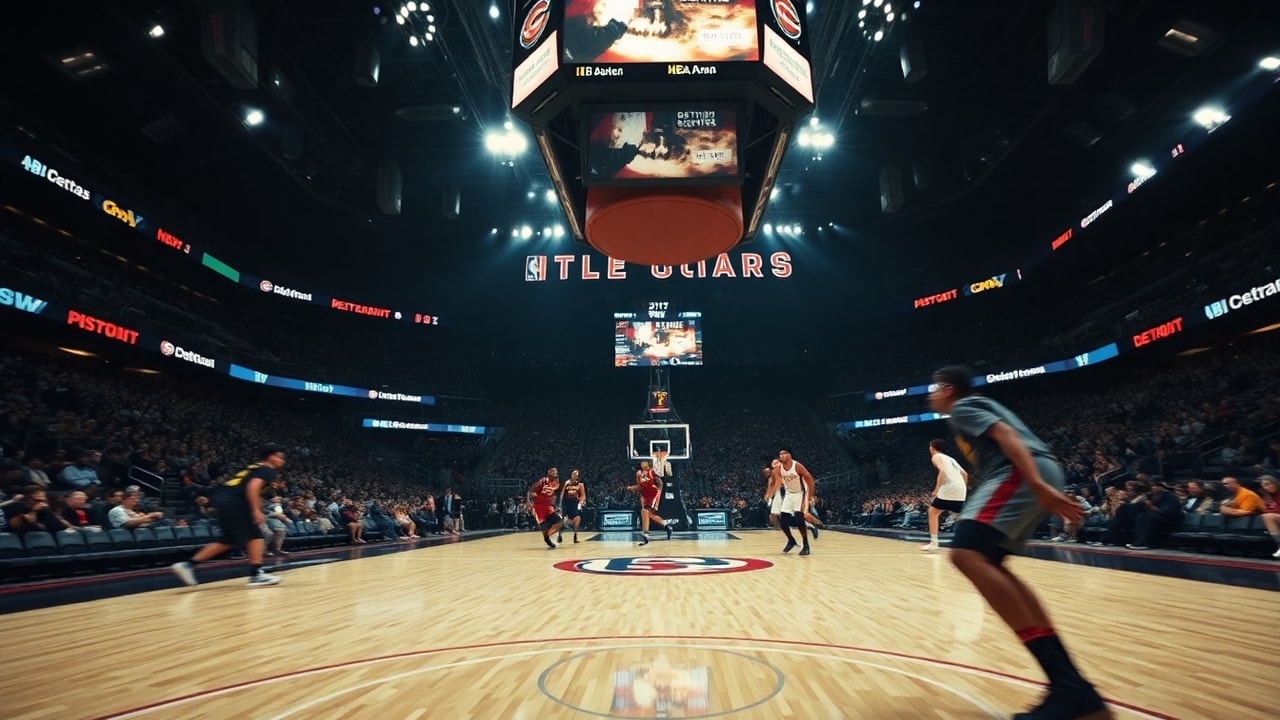
Impact on Detroit Residents: More than one game at Little Caesars Arena
Although this is an NBA matchup, Detroit residents often experience the broader impact through the local sports economy. Games at Little Caesars Arena influence spending patterns for nearby businesses, including dining and hospitality, and they can also affect traffic and transit decisions for fans moving through downtown.
According to data and guidance commonly compiled by the City of Detroit for major events and venues, large crowds can increase demand on transportation planning, street management and public safety resources. While the NBA season is a regular rhythm rather than a one-off, the cumulative effect of marquee matchups matters for how downtown operates on game nights.
Detroit also benefits from the civic visibility of its teams. When Pistons games generate discussion—especially around a clear strategic identity like defense—local media engagement rises, and that can translate to greater attention for local basketball culture, youth programs and summer leagues that feed the sport’s ecosystem.
Background & Data: Detroit basketball and the defensive strategy shift
Detroit’s emphasis on Pistons defense aligns with how NBA strategies have evolved over the past few seasons. League and analytics coverage has increasingly focused on shot difficulty, opponent decision time and the concept of defensive “structure”—how well teams defend as a group rather than relying only on individual matchups.
Basketball reference tools and advanced stat reporting often examine outcomes like opponent field-goal percentage at the rim, rates of contested shots, turnover generation and effective defensive rebounding. While those metrics vary by season and roster, they tend to reward teams that stay connected through rotations and contest without giving up easy reads.
Detroit’s challenge as a defensive unit is to maintain that structure against varied offensive styles. Cleveland’s system, like other contenders, typically aims to create mismatches through movement and shot variety—meaning Detroit can’t simply “play one way.” If the Cavaliers get their ball movement going early, the Pistons’ defensive scheme can be tested not just at the point of attack, but on every subsequent pass.
Still, the Pistons’ defensive identity is what makes this matchup compelling for local fans. A strong defense can be a stabilizing factor when offensive execution is inconsistent, and it often changes how opponents decide to take risks late in games.
What happens next: key matchup questions for Cleveland
As Cavaliers vs Pistons approaches, the strategic focus for Cleveland is likely to revolve around three practical questions.
Can Cleveland turn defensive pressure into advantages? If Detroit forces rushed passes or late-clock dribbles, Cleveland will need a reliable method to punish the second defender—through quick reversals or planned cuts.
Will Cleveland create offense without abandoning shot discipline? A common risk when facing defensive schemes is getting stuck in a cycle of low-percentage attempts. The Cavaliers may need to build the offense through early actions—post touches, drive-and-kick sequences, and pick-and-roll reads—to keep Detroit’s rotation burdened.
Can Cleveland control pace? Detroit’s defense often thrives when possessions are longer and offenses must work repeatedly through structure. If Cleveland pushes transition effectively or forces early turnovers, it can disrupt Detroit’s ability to set its defense.
For Detroit fans, the hope will be that the Pistons’ defensive menace continues to show up in the details: timely help rotations, firm closeouts, and the ability to make opponents second-guess shots they thought were open. For Cleveland, the goal will be to prove that the best counter to that kind of defense is not avoidance—it’s targeted aggression with a clear plan.
The matchup will ultimately be decided by execution, but the storyline is already taking shape. In Detroit, defense sets the tempo. In this one, Cleveland’s ability to attack the Pistons’ system without breaking its own structure could be the difference between a competitive game and a long night.