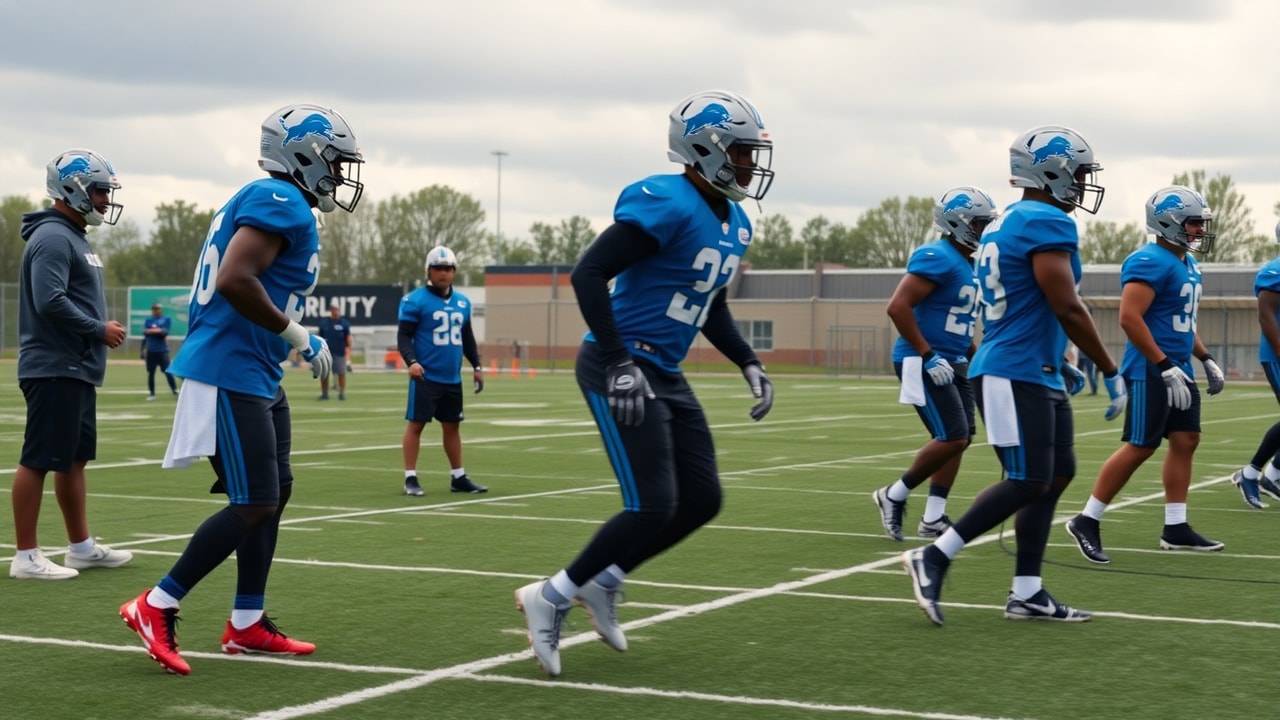
As the Detroit Lions sort out their defensive back rotation heading into Detroit training camp, one question is drawing particular attention from coaches and fans: who can handle the No. 2 CB job behind the team’s top cornerback on the cornerback depth chart. While the Lions can still evaluate additions during the offseason window, their most immediate path appears to run through in-house options and how quickly they can separate on the practice field.
In a league where second-tier matchups often determine the feel of a defense—especially against division passing attacks—the Lions’ plan for the No. 2 CB spot is as much about readiness and fit as it is about talent. That includes coverage instincts, ability to run with receivers in man coverage, and the communication skills needed to survive motion-heavy offenses.
“Competition is part of football, but it matters who is ready to play your system immediately,” a Lions beat writer covering training camp told The Athletic during offseason coverage, reflecting a theme that has followed the team from OTAs into organized team activities.
The Lions’ internal evaluation is unfolding at a time when Detroit’s sports ecosystem continues to pay attention to roster construction as a civic topic: the organization’s on-field performance is often tied to neighborhood energy, local business traffic on game days, and a broader sense of pride across the city. Even so, the decision-making on the defensive backfield remains rooted in football fundamentals—who understands the secondary breakdowns, who can take coaching quickly, and who can be trusted in late-game situations.
Main Section
Detroit Lions defensive coordinator Aaron Glenn has emphasized fundamentals in coverage during his tenure, and the No. 2 CB position becomes a focal point when translating practice concepts into real reps. In Detroit training camp, the Lions’ internal options are likely to be evaluated through a combination of film review, situational drills, and live coverage scenarios that test both technique and decision-making.
At the center of the discussion is the Lions’ cornerback depth chart logic. The No. 2 CB typically plays a high volume of snaps against opponents’ primary receiving threats once the starter draws top targets or follows a specific matchup assignment. That means the player filling the second role must be comfortable with both man and zone responsibilities—often switching quickly based on the offensive formation.
One source familiar with NFL roster evaluation—speaking broadly to how teams manage second-corner responsibilities—described to ESPN that teams look for corners who “can stay patient in zone, compete at the catch point, and show reliable footwork in man.” While the specifics of Detroit’s internal group are determined by what the organization sees each day, the checklist is consistent across the league.
What “in-house options” usually means in camp
For Detroit, in-house options can involve several paths. Some players arrive with experience from prior seasons, while others are stepping up after learning the scheme from the sideline. Even when the Lions add a corner through free agency or the draft, the No. 2 job can become a “camp performance” decision—especially if coaches believe someone already on the roster fits the defensive calls the fastest.
As the Lions evaluate Lions defensive back candidates, they will likely focus on:
- Consistency in press and off-man: Can the corner control the receiver early without drawing unnecessary penalties?
- Technique on intermediate routes: The No. 2 CB often faces routes across the middle seam, requiring clean angles and quick breaks on the ball.
- Back-end communication: Secondary breakdowns are rarely “solo” mistakes; they frequently involve miscommunication with safeties and linebackers.
- Durability through the rep cycle: A corner who can take daily workload and still perform consistently has a clear advantage.
These assessments show up quickly in camp when quarterbacks start targeting windows more aggressively and defensive backs get tested with live, organized offense. The player who handles stress best—without overreacting to shifts in leverage or route depth—often emerges as the most trusted option.
Secondary breakdowns and the No. 2 CB role
Football fans often describe corners by coverage styles, but coaches measure them by outcomes: completions allowed, targets contested, and whether receivers gain separation before the break. In Detroit’s scheme, those outcomes depend on timing. If the No. 2 CB can anticipate route stems and maintain leverage, the Lions’ safeties can play with more confidence.
That matters because the Lions have built a defense that aims to disguise looks. When the secondary knows what the call is, corners can make faster reactions on route breaks. When they don’t, coverage tends to unravel in small ways—late reactions, hands too high, hips turning early—small errors that can become big plays.
In-house competition for the No. 2 CB spot is therefore not just about athleticism. It’s about processing information quickly enough to prevent those secondary breakdowns before they happen.
Impact on Detroit Residents
For Detroit residents, the No. 2 CB job may sound like a niche football storyline, but it connects to how people experience the sport in the city. When Detroit training camp and preseason narratives become clearer, it affects local engagement—ticket interest, radio and podcast discussions, and foot traffic tied to game-day schedules.
More broadly, roster decisions are part of how Detroit communities measure momentum. The Lions’ performance can influence the rhythm of downtown and near-stadium businesses during the fall season, from restaurants to local retailers that see increased demand on home game weekends.
There’s also a workforce dimension. According to data from the U.S. Bureau of Labor Statistics, sports-related employment and seasonal retail and hospitality positions can fluctuate with events that draw visitors. While football results aren’t the only driver, the confidence level of fans often tracks with how teams look in camp—especially when the defense’s stability becomes a talking point.
Residents who follow the Lions closely also understand that cornerback depth isn’t just a “headline roster” issue. It impacts how the team can keep starters fresh, avoid coverage mismatches, and respond to injuries. From the stands, fans see that as defensive reliability; behind the scenes, it’s a roster management issue that affects continuity.
Background & Data
Cornerback depth chart decisions have become increasingly complex across the NFL, in part because offenses have leaned heavily into high-efficiency passing. Data analysis by the NFL and industry researchers has repeatedly shown that teams benefit from defending both deep routes and intermediate passing windows, which places pressure on corners who play significant snaps in the slot-adjacent areas of coverage.
Local context also matters for Detroit teams: the city has a long history of investing in sports franchises that function as civic institutions, with the Lions serving as a unifying identity for many fans across neighborhoods. As Detroit training camp progresses, the fan conversation tends to turn toward player roles, because roles determine how often the secondary will be tested.
From a reporting perspective, the most useful way to track the No. 2 CB competition is to watch how coaches respond to mistakes. A corner who can recover quickly after giving up a cushion, adjust leverage, and communicate alignment tends to gain trust. Those are the same traits that, over the course of a season, determine how stable the defense looks week to week.
In that sense, the Lions’ internal plan for the Detroit Lions’ No. 2 CB job becomes a question of preparation: are the in-house options showing the mental sharpness to survive NFL-level route precision? Are they running routes effectively in transition? Can they keep their eyes on the quarterback while tracking receiver movements?
What Happens Next
The next phase of the competition will likely come in three stages: increased live reps in camp, preseason game opportunities, and the continued evaluation of performance in specific coverage packages. Even if the Lions ultimately pursue a cornerback addition, the No. 2 CB job may remain a live competition if coaches believe their internal candidates can win quickly.
For Detroit fans looking for clarity, the most telling indicators will be how often the No. 2 CB option is on the field in high-leverage defensive snaps and how that player performs in coverage assignments aligned with the opponent’s passing strengths. If the Lions can establish stability in the cornerback depth chart early, it gives their safeties cleaner communication roles and reduces the risk of secondary breakdowns.
Ultimately, the Detroit Lions’ internal approach to the No. 2 CB job is about speed-to-impact: who can translate learning into reliable coverage under pressure. As Detroit training camp continues, the Lions’ cornerback depth chart will become clearer—not just by who draws attention, but by who earns the trust of coaches when the game-like situations arrive.