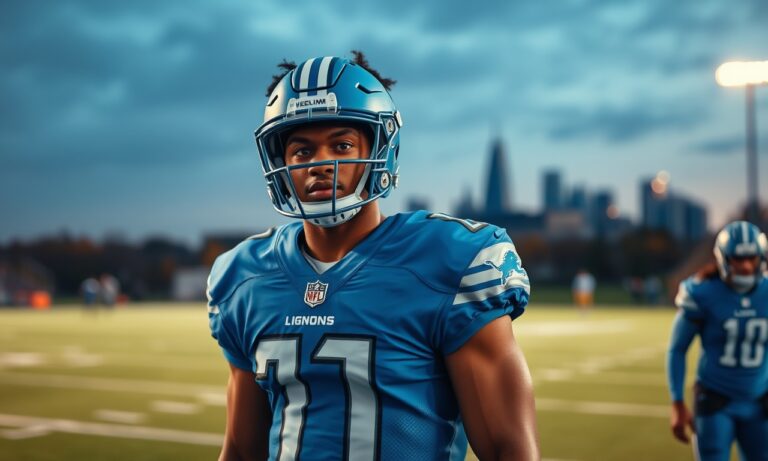
The Detroit Lions have released cornerback Terrion Arnold, a move that quickly drew attention from multiple NFL teams seeking secondary depth, according to league transaction reports. The roster change comes as Detroit continues to refine its defensive personnel heading into the next phase of the season.
While the Lions did not publicly detail a long-term plan in connection with the release, the transaction signals an immediate shift in the team’s cornerback rotation. For Arnold, the release opens the door to a fast turnaround as other organizations evaluate him as a potential fit for their defensive schemes.
For Detroit fans, the decision also lands during a broader period of NFL roster churn—one that can affect game-day matchups, fan expectations, and how teams manage salary-cap pressures. In Detroit’s case, roster moves also carry local resonance because the Lions are one of the most followed sports institutions in the region, with coverage spanning broadcast, radio, and local digital outlets.
Main Section: What Detroit’s Release Means for Arnold and the Lions
According to NFL roster transaction reporting, the Lions officially released Arnold, and three NFL teams showed interest in bringing him in after the release. Interest from multiple clubs typically indicates that teams view the player as more than a short-term replacement—either due to athletic traits, scheme versatility, or potential upside.
From Detroit’s perspective, cutting Arnold reduces the competition for snaps in a position group where the team may be emphasizing specific coverage responsibilities. Cornerback play is often shaped by more than raw physical ability; coaching staffs weigh how players communicate, adjust to motion and shifts, and execute assignments on third downs and in late-game situations.
At the same time, releasing a player can be influenced by multiple factors, including roster numbers, injury status around the position, and the needs of special teams units. Even when a player is valued, teams sometimes conclude they can allocate snaps and resources more effectively elsewhere.
NFL context: why “interest” follows releases
In the NFL, once a player is released, the clock starts quickly. Other teams may pursue the player through waiver claims (depending on eligibility), practice squad opportunities, or free-agent contracts. The speed of the process reflects the league’s highly competitive environment: secondary injuries and performance gaps can appear suddenly, and staffs want options they can coach immediately.
As The Athletic has noted in its offseason and roster analysis, roster moves in the NFL frequently reflect both talent evaluation and the hard math of roster construction. That same dynamic applies here as the Lions weigh how to structure their defensive depth.
Impact on Detroit Residents
Though the release is centered on an NFL roster move, it can still ripple into Detroit’s local sports ecosystem. For residents, the immediate impact is felt in how fans discuss the team’s defensive ceiling and in how media outlets recalibrate coverage and expectations after the latest personnel change.
Game-day implications can also matter beyond fandom. Detroit’s major sports venues and partner businesses—sports bars, restaurants near local transit routes, and media platforms that depend on high audience engagement—often experience measurable changes in chatter and attendance patterns when a notable player departs or a new one arrives. While the Lions’ internal decision-making is driven by football, the public-facing effect is community-wide.
In practical terms, the release also affects how youth and local football programs frame player development. Arnold’s name has been part of local conversations about talent and progression through the NFL pipeline. When a player is released, it can briefly shift narratives around opportunity and resilience—messages that coaches and mentors in the Detroit area frequently use to explain how quickly careers can change.
Background & Data: Detroit, NFL roster moves, and local sports attention
To understand why a transaction like this attracts significant attention, it helps to look at how Detroit’s sports economy operates. Data from the U.S. Census Bureau shows that metro Detroit is among the nation’s largest metropolitan areas, and large urban markets tend to generate sustained demand for live sports coverage and local reporting—especially when roster changes involve players that fans recognize quickly.
Additionally, sports participation and youth football in the region reinforce a local connection to the NFL. Detroit-area communities often see NFL players as both role models and as proof of pathway opportunities. When the Lions make a high-profile move at cornerback, the decision becomes part of a bigger conversation about team strategy and player fit.
Meanwhile, league dynamics drive the pace of these events. Once a player is released, teams monitoring the position group typically act quickly. Multiple teams showing interest suggests that scouts and coaches believe there is something actionable in Arnold’s profile—such as coverage fundamentals, physical traits, or adaptability in defensive back responsibilities.
What Happens Next
For Terrion Arnold, the next step likely involves a rapid evaluation period with the interested organizations. Teams that pursue a released player may bring him in for workouts, conduct film review, and determine whether he can contribute immediately—either on defense, on special teams, or as depth for injuries.
For the Detroit Lions, the roster spot creates immediate questions: who fills the cornerback role in the rotation, how snaps will be distributed, and whether Detroit plans to look internally or add another player. Lions’ coaching and front-office staff will also consider how the release aligns with their broader defensive philosophy for coverage schemes in upcoming games.
In the near term, fans can expect increased attention to upcoming roster moves, practice squad activity, and any official announcements tied to the cornerback depth chart. As the NFL’s transaction cycle continues, additional developments may follow as interested teams finalize decisions.
For Detroit news watchers, the story is already a sign of a busy period for the Lions—one where decisions in the secondary can influence not only what happens on the field, but also how the local fan base processes the team’s direction week to week.