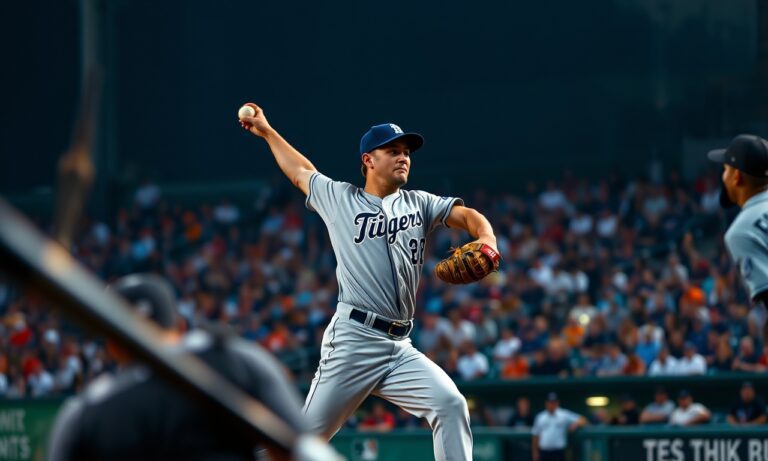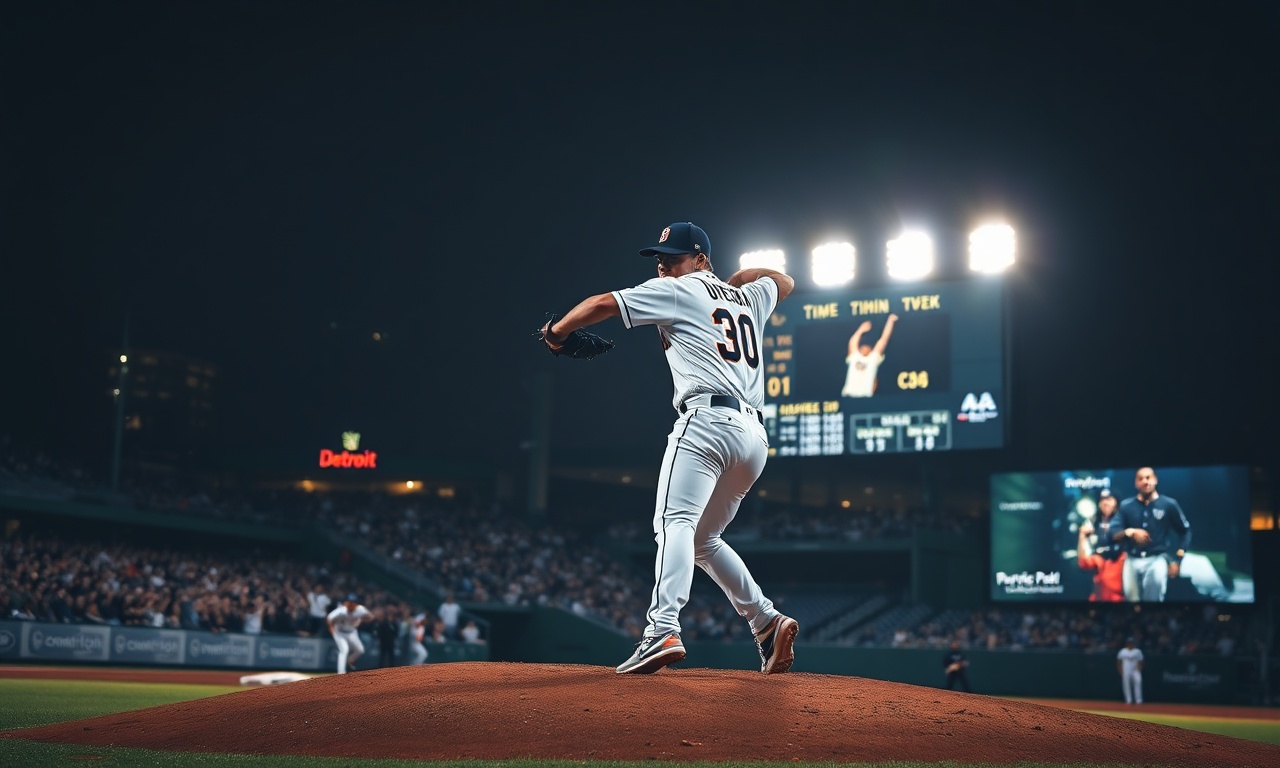
DETROIT — Rookie right-hander Ureña carried a no-hit bid into the sixth inning, lifting the Detroit Tigers with one of their most promising early-season pitching performances. In a game that featured controlled innings and disciplined at-bats, Ureña limited baserunners and kept the Detroit crowd engaged with each out, before the no-hitter finally ended as the contest moved into the later frames.
The outing marked a key step for Ureña’s rookie season as he demonstrated the kind of starter-level focus that can change how a young pitcher is used over a long MLB schedule. For the Tigers, the performance offered both immediate results and a glimpse of what could be possible when their pitching depth matures.
Main Section
According to the official Major League Baseball game report, Ureña worked efficiently through the early innings, mixing pitches to attack hitters and limit damage. The Tigers’ approach emphasized getting ahead in counts and maintaining command as the game progressed—an especially important factor when a no-hitter is still on the table.
Ureña’s ability to push the no-hitter into 6th relied on more than raw stuff. Observers pointed to the rhythm of his delivery and the way he managed traffic when hitters reached. Even as lineups adjusted, he responded with continued clarity at the plate, holding opponents to weak-contact chances and well-timed strikeouts.
Manager A.J. Hinch’s decision-making also played a role in preserving the start’s quality. While bullpen management remains critical for MLB teams juggling travel and rest, the Tigers had to weigh the value of extending Ureña’s tempo against the risk of losing his command. In a contest where the Ureña no-hitter became a story in real time, the club’s planning reflected that balance.
Detroit crowd energy and game-day momentum
At Comerica Park, the early innings shifted in tone as the possibility grew. The Tigers have long understood the connection between on-field moments and the broader stadium atmosphere in MLB Detroit, where fans often look for signals that the team is trending upward. Ureña’s sustained performance gave the home crowd a narrative arc to latch onto—an experience that resonates beyond the scoreboard.
For a young pitcher, that kind of support can matter. Players often talk about how quick the game speeds up once a late-inning no-hit bid develops, and how staying composed is as important as any pitch selection. Ureña’s sixth-inning effort suggested he was prepared for that pressure.
Impact on Detroit Residents
In Detroit, where sports can function as a shared public outlet, standout pitching performances often carry a wider civic feel. The Tigers’ local fanbase includes families, longtime season-ticket holders, and many residents who follow the team as part of neighborhood traditions. A standout strong rookie performance can amplify that engagement, especially for fans who want reasons to keep showing up during the grind of an MLB schedule.
There’s also an economic ripple effect. A postseason push—or even a stretch of competitive play—can help support game-day spending at nearby businesses. According to data from the U.S. Bureau of Labor Statistics, employment in leisure and hospitality categories can fluctuate with seasonal demand and local events. When a Tigers game becomes more compelling, it often translates into higher foot traffic for restaurants, bars, and merchants in the surrounding area.
Local community groups also benefit indirectly when attendance and fan enthusiasm rise. Detroit-based nonprofit initiatives tied to youth recreation and sports programming frequently rely on donor interest and event visibility. While a single game doesn’t determine a season, performances that capture attention can help maintain momentum for broader community outreach.
Background & Data
Ureña’s rise comes at a time when MLB teams place increasing emphasis on managing pitcher workloads, tracking pitch usage, and supporting young arms through clear development plans. In general, Major League rosters monitor metrics such as pitch counts, velocity trends, and command indicators to reduce injury risk and preserve performance.
At the same time, Detroit’s baseball landscape has been shaped by the realities of rebuilding and retooling. Fan interest grows when teams see credible signs of growth in key roles—starting pitching included. Ureña’s ability to stay in a game where a no-hitter was on the brink offered exactly the kind of evidence that helps fans and analysts calibrate expectations for the next set of months.
In a statement published through team channels, the Tigers’ organization reiterated its emphasis on development and on helping pitchers learn to perform under changing in-game conditions. The message aligns with how clubs like Detroit manage rookies: giving them structure early, then adjusting usage as the season creates more scouting information and more hitter adjustments.
What Happens Next
For Detroit, the immediate focus is health and consistency. When a rookie contributes at starter impact, the next step is confirming the performance can be repeated—often by controlling workload and ensuring command remains stable over multiple outings.
Ureña’s next start will likely be shaped by the team’s bullpen availability and the sequencing of upcoming opponents. If Detroit can keep his pitches efficient—especially in the middle innings—the Tigers may find themselves in more late-game positions where the Ureña no-hitter wasn’t just a moment, but a pattern.
Just as importantly, Detroit’s hitters will need to convert the pitching effort into runs consistently. No-hitter chapters create opportunities, but they don’t guarantee wins by themselves. The Tigers will want to translate Ureña’s third-through-sixth inning dominance into early scoring, helping reduce pressure on the offense later in games.
As the rookie season continues, Tigers fans will likely measure Ureña by more than the sixth-inning highlight. The real test will come in how he responds when the no-hit threat is gone—whether he maintains focus, avoids unnecessary damage, and continues building confidence pitch by pitch. If the trajectory holds, Detroit could be watching the beginnings of a long-term contributor.