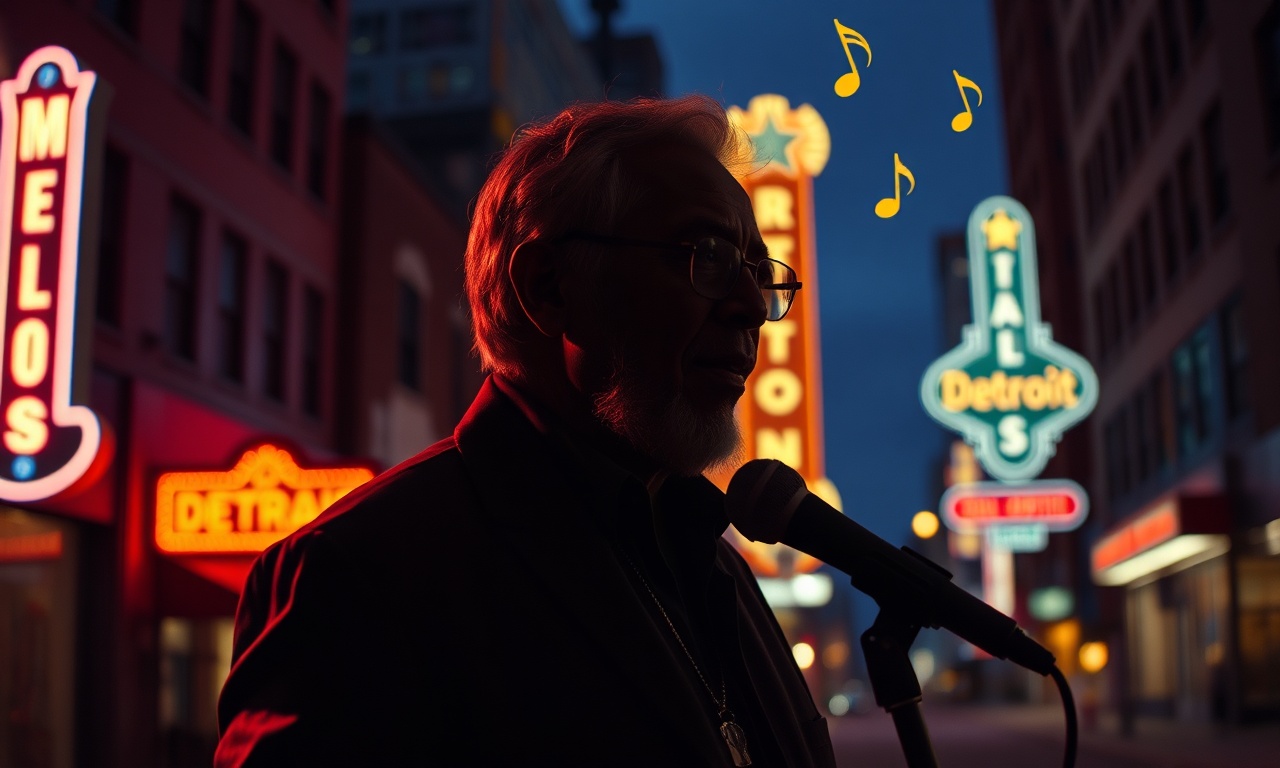
Detroit has a way of resurfacing in the careers of people who know how to listen to a city’s rhythms. Don Was—legendary producer, longtime executive, and Detroit-bred music lifer—has been leaning more visibly into his own work and public presence as he marks 73, drawing fresh attention to the sound and culture that shaped him long before he helped steer albums for major artists worldwide.
Was’s renewed visibility arrives as Detroit’s music history continues to be revisited by new generations and as local institutions and venues—some long endangered and many recently strengthened—try to keep the city’s legacy from becoming only a museum exhibit. His recent run of live performances and studio activity has stirred conversation among Detroit artists and music fans about how a Motown-era spirit can coexist with today’s industry realities.
From Rolling Stones producer to artist-in-his-own-right
Best known for his work as a Rolling Stones producer and for collaborations that stretched across rock, pop, and soul, Don Was built a reputation for translating big-league attention into recordings that still felt human. But for Detroit listeners, the story often starts earlier: the formative years, the local scenes, and the musical education that comes from listening closely to what a neighborhood is already singing.
In recent months, Was has brought more focus to his own voice—both literally, through performance, and professionally, through the way he has talked about craft. The pivot is notable because it doesn’t read like a reinvention for the sake of novelty. Instead, it’s more like a return to the kind of artist development Detroit has always depended on: learning by doing, then giving other people room to do the same.
“Don Was has long been a bridge between Detroit’s legacy and the modern music industry,” said a spokesperson for the Detroit Historical Society in an email. “His profile can help local audiences see Detroit music history not as nostalgia, but as ongoing influence.”
That bridging role is also why his latest visibility matters beyond the music world. Detroit has worked for years to broaden its entertainment economy—from concert promotion to neighborhood music venues—while navigating costs, licensing complexity, and the lingering effects of economic dislocation. A Detroit artist at the center of global pop culture can act as a kind of cultural anchor during periods when the city is still building stability.
Local impact: why Detroit residents are paying attention
Detroit’s music scene has always been more than touring acts and radio hits. It’s a network: recording studios, rehearsal spaces, community organizations, and small businesses that survive on the income generated by rehearsals, gigs, and the long tail of touring.
Was’s renewed presence has been met with enthusiasm from local fans and working musicians who see value in the attention. For many Detroit residents, the connection isn’t abstract. It’s practical—how celebrity and industry credibility can translate into visibility for local venues and mentorship for younger artists.
“When major industry figures from Detroit stay engaged with the city, it supports the ecosystem—whether that’s inspiring artists, creating partnerships, or encouraging venues to book more local talent,” said Dr. Evelyn Carter, a professor of music history at Wayne State University, in a phone interview. “Detroit’s Motown legacy doesn’t end; it evolves through people who understand both the past and current production realities.”
That evolution is increasingly important as Detroit continues to balance growth with affordability. Entertainment and culture can bring foot traffic to commercial corridors, but they also raise questions about who benefits. Detroit residents have watched other neighborhoods experience rising rents and changing commercial mixes. In that context, music-related attention is most valuable when it supports local capacity rather than displacing it.
Was’s story—spanning work with artists such as Bob Dylan and Ozzy—underscores how Detroit-trained sensibilities can travel widely. Yet the significance for residents is that the attention can return, too. It can be an invitation to remember Detroit not as a brand, but as a creative engine whose contributors still live and work here.
Detroit music and the Motown legacy—what changed, what endured
To understand why Don Was’s profile resonates in Detroit, it helps to place him inside a longer narrative: the city’s role in shaping American pop and soul. The Motown legacy remains a landmark of professional songwriting and production discipline, but it also established a template—artists and producers learning to collaborate at scale while keeping an ear for what audiences want.
That legacy is also visible in the way Detroit music culture has endured through different economic cycles. Some venues closed, studios faced uncertain futures, and public funding priorities have shifted over time. But Detroit’s musical knowledge stayed in the community, passed down through generations of musicians, engineers, and promoters.
Data from the U.S. Census Bureau highlights the broader urban reality Detroit has been navigating for years: population shifts and changing household composition affect local demand for entertainment and the labor market for artists and music workers. While the Census does not measure music culture directly, it provides context for why Detroit’s cultural economy has to adapt—especially as residents juggle housing costs, commuting needs, and access to stable income.
In Detroit, culture is tied to place. The city’s neighborhoods, transportation patterns, and small business corridors influence where rehearsals happen, where performances are viable, and how audiences move from one spot to another. That’s one reason Was’s Detroit connection has such staying power: it’s not only about fame, it’s about a creative relationship to the city.
Dead studio project and the wider Detroit conversation
Beyond the headlines around his career, Don Was’s work has continued to reflect a producer’s instinct: collect ideas, test them in the studio, and find the emotional center of a song. For many longtime Detroit listeners, projects he’s associated with—including the “Dead” studio project concept—have served as touchpoints for how experimental recording approaches can still feel rooted in classic Detroit sensibilities.
Whether fans interpret those projects as an extension of earlier rock and soul crossovers or as a new chapter in his artistic life, the underlying theme is the same: studio craft and musical interpretation. In Detroit, where the city’s best-known legacy was built on studio discipline, that theme carries extra weight.
Local music advocates have often pointed out that Detroit’s creative future depends on access to tools—recording equipment, engineering expertise, rehearsal space, and performance opportunities. When industry veterans return with renewed visibility, they can raise the conversation about resources and mentorship in a way that feels immediate for emerging artists.
What happens next for Detroit’s comeback in music
“Detroit comeback” is a phrase that can be overused, but it also captures an essential reality: the city has repeatedly reinvented how it presents itself culturally. Music is one of the most durable engines of that reinvention because it attracts both local participation and outside attention.
Was’s ongoing activity suggests a few near-term possibilities. For Detroit audiences, it can mean more spotlight on local music history, more mainstream coverage of Detroit artists who might otherwise stay under the radar, and greater momentum for venues and organizations that rely on major cultural conversations to sustain ticket demand.
For the industry, it can also mean more incentive to collaborate with Detroit talent—not just as a novelty, but as a serious production partner. When a producer with Detroit roots maintains visibility, it can help shift how booking agents, labels, and media outlets think about the city’s creative output.
Detroit still faces long-term challenges—affordability, business stability, and equitable access to opportunities. But cultural strength can be a meaningful part of resilience when it’s tied to local participation rather than only to external branding.
As Don Was continues to find his voice at 73, Detroit music watchers are likely to see the city in a different light: not only as a starting point for artists, but as a continuing source of influence—one that keeps turning up, again and again.