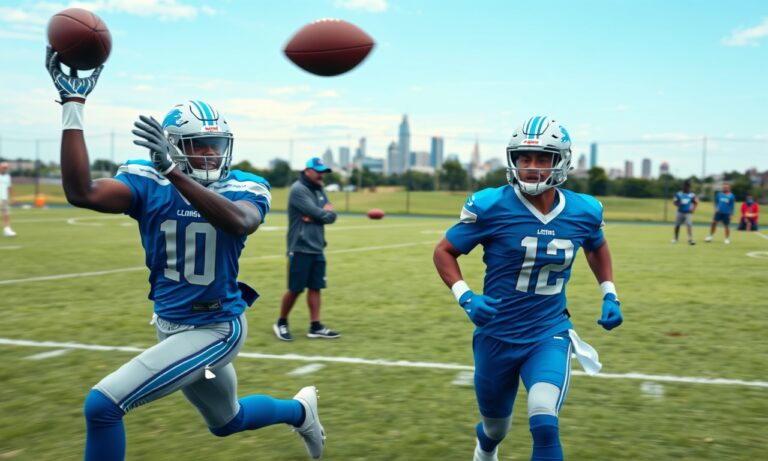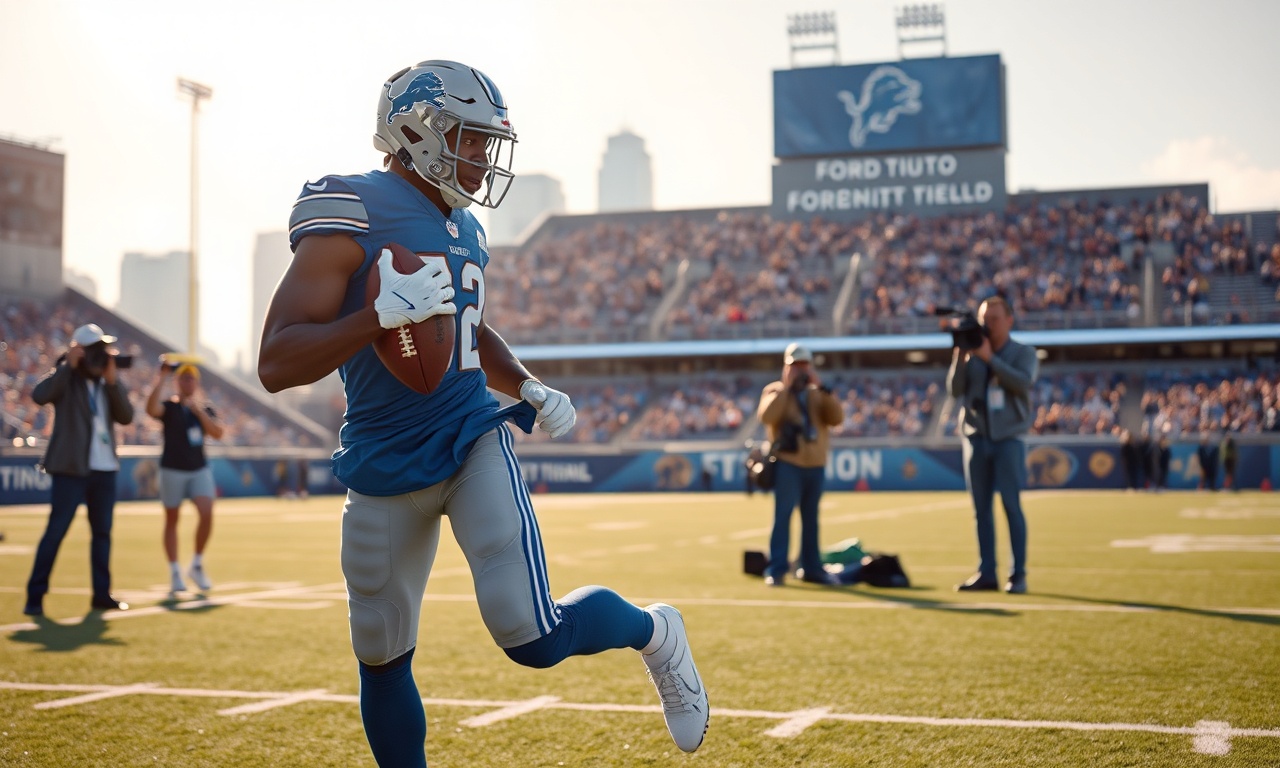
The Detroit Lions’ wide receiver group is shaping up to be one of the defining position battles heading into the 2026 offseason. With roster spots limited and a deeper emphasis on versatility, special teams value and availability, the Lions’ current receiver room could see meaningful churn once Detroit gets a clearer picture of who separates during Detroit training camp battles and the preseason window.
For fans, this isn’t just roster math; it’s a signal of how the Lions intend to build their weekly offensive identity. For Detroit residents, it’s also a reminder that the business of an NFL team is intertwined with the wider local sports economy—ticketing, merchandise and the gameday ecosystem that supports vendors and hospitality workers.
Detroit Lions wide receivers face a numbers crunch entering the 2026 roster bubble
Teams typically enter summer with more receivers than they’ll carry on their final 53-man roster. That’s where the 2026 roster bubble becomes real: the Lions will evaluate route-running consistency, separation skills, hands (catch rate under pressure), and—critically—whether players can contribute across roles, including slot duties and coverage responsibilities on defense-like special packages.
According to the NFL’s Collective Bargaining Agreement and related roster rules, teams can move players between active rosters, practice squads and injury designations during the offseason and training camp. While exact limits and procedures can vary by calendar year, the overarching point is consistent: final roster decisions come down to production, health, and how well each player fits the coaching staff’s system.
Sports analysts and local coverage have also emphasized that roster cuts frequently cluster at positions where production is harder to project—especially for players who are “in between” roles. At wide receiver, the Lions’ depth chart doesn’t just represent who can catch; it represents who can stay on the field and execute the playbook fast enough to earn targets in high-leverage moments.
What Detroit’s Lions WR depth chart might reward (and penalize)
When the Lions look at Detroit Lions wide receivers for 2026, they’re likely to prioritize three practical traits:
- On-field reliability: clean hands, consistent route running, and repeatable performance rather than one standout catch.
- Role clarity: players who can function as boundary threats, slots, or move-in packages without losing efficiency.
- Availability and durability: staying healthy across camp practices, preseason snaps and the grind of the early schedule.
Those priorities tend to squeeze the margins for players who have flashed but haven’t yet established a repeatable week-to-week role.
Detroit training camp battles: who could be on the cut line?
It would be premature to name specific individuals as “definitely cut” without confirmed 2026 roster particulars and the Lions’ final offseason transactions. But the patterns that drive NFL roster cuts are predictable enough to outline what tends to happen to receivers on the edge of the Lions WR depth chart.
In most NFL seasons, players most vulnerable in the 2026 offseason outlook fall into a few categories:
Receivers who are stuck between roles
Players who can win a rep in practice but can’t consistently translate it into game snaps—particularly against press coverage or in third-down spacing—often end up being the most movable pieces. If the Lions already have clear options for the boundary and slot spots, the “flex” receiver becomes the easiest number to trim.
Developmental players who need more time
Every team carries at least one or two developmental receivers through camp, hoping that preseason reps accelerate development. But if a player’s progress doesn’t show up in route precision and catch reliability, NFL roster cuts frequently arrive sooner than planned.
Receivers with limited special teams value
Because wide receiver is not a universal special teams position for every team, players who can contribute on coverage units gain an extra lever. When roster space tightens, coaches look for “two-way value”—someone who can perform as a receiver and prevent explosive returns. If a receiver isn’t getting that chance or isn’t landing it, it can make the offseason bubble feel smaller.
Players who miss practice time
Injury timing matters. The Lions can tolerate a minor setback, but missing multiple practice windows can derail timing with the quarterback, reduce reps in timing routes, and limit the film used for decision-making. The result is often a harsher evaluation during roster cutdowns.
Data points support why availability is so central. According to the NFL’s own injury and participation reporting (and widely cited tracking aggregated by football researchers and broadcasters), players who miss time during training camp and early regular-season preparation are more likely to fall behind the rhythm required for higher target share.
Impact on Detroit Residents: why Lions roster decisions ripple beyond Ford Field
When roster cuts happen, the immediate storyline is sports—who stays, who goes, and who earns targets. But for Detroit residents, there’s a broader local impact tied to how the team’s offseason shapes the city’s sports calendar.
According to a 2023 report from the U.S. Bureau of Labor Statistics on employment in leisure and hospitality, consumer spending related to major local events supports jobs in the food service, beverage, and accommodation sectors. While the direct connection between a specific 53-man roster decision and employment is indirect, the team’s performance and roster stability influence predictable downstream demand: season-ticket renewals, gameday attendance, and early merchandise purchases.
In practical terms, roster bubble drama tends to keep attention—and conversations—high. But roster stability also matters. A confident depth chart helps the Lions market continuity, and that can translate into fewer last-minute changes for local vendors who staff gameday operations. For small businesses around downtown Detroit and along game-day corridors, it can be the difference between moderate sales and a busier baseline.
Background & data: how NFL roster cuts are typically decided
NFL roster decisions are governed by league-wide rules and team-specific evaluation processes. The “2026 roster bubble” doesn’t exist in a vacuum—it’s the intersection of:
- Roster and practice-squad constraints that limit how many receivers can be carried long-term.
- Preseason snap usage and how much coaches are willing to expose younger players.
- Special teams assignments during both practice and preseason games.
- Performance under pressure, often measured by third-down conversions, red-zone efficiency, and catch-and-secure discipline.
For additional context, the Detroit-based sports media ecosystem often ties training camp coverage to these measurable categories. Local outlets and national football reporting regularly note that late-summer cuts frequently reflect “fit” as much as talent—whether a receiver’s skill set matches how the offensive coordinator wants to attack coverages.
What happens next for Detroit Lions wide receivers and the 2026 offseason outlook
Over the coming months, expect the story to develop through three stages: first, the Lions’ offseason practices and organized team activities; second, the reps and preseason usage that make Detroit training camp battles measurable; and third, the roster cutdown decisions that convert training camp performance into long-term opportunity.
For Lions fans tracking the Detroit Lions wide receivers group, the key signals to watch will be:
- Target quality and route timing in early camp sessions—who gets looked at first.
- Third-down success and whether receivers consistently win space.
- Special teams deployment—who is trusted on coverage units.
- Catch rate under contact during live periods.
In the end, the 2026 offseason outlook for the Lions WR depth chart will come down to who demonstrates staying power—on the field and in the playbook. If Detroit’s coaching staff decides a receiver room has clearer winners than expected, the Lions could trim more than one “maybe” piece when NFL roster cuts begin. If not, the team may carry additional developmental talent longer and extend the battle into the regular season.
Either way, the Lions’ wide receiver decisions will remain a local sports story because they affect what fans see on game days—and how the city’s sports economy hums as the season approaches.