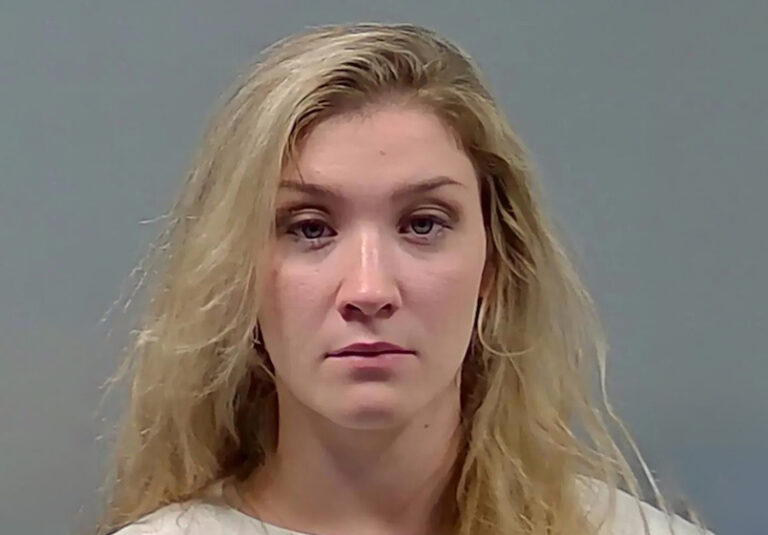
Wayne County law enforcement officials announced a major drug bust in Detroit targeting fentanyl, methamphetamine and illegal firearms, seizing drugs and weapons and arresting multiple suspects as investigators alleged ties to illicit drug trafficking Detroit networks.
In a joint statement, authorities said the operation focused on disrupting supply lines and reducing the flow of deadly opioids and methamphetamine in the city of Detroit and surrounding communities. Officials did not release suspect names in the announcement, but they emphasized that seizures of fentanyl, methamphetamine and guns highlight ongoing violence and public safety risks tied to the drug trade.
Wayne County law enforcement details the seizure
According to the Wayne County Prosecutor’s Office and partner agencies, investigators executed enforcement actions after building a case around suspected drug distribution activity. The statement said fentanyl and methamphetamine were seized along with firearms, underscoring the alleged role of guns in coercion and trafficking operations.
“The combination of fentanyl, methamphetamine, and firearms is particularly dangerous to our communities,” a spokesperson for the Wayne County Prosecutor’s Office said in the announcement. The office said the operation was designed to disrupt multiple points of a trafficking chain rather than focusing on a single buyer or street-level sale.
Officials also said the investigation included collaborative efforts across agencies, reflecting what they described as the regional nature of the problem. Detroit’s status as a major population and transportation hub can make it a focal point for illicit trafficking routes, authorities said.
Impact on Detroit neighborhoods and public safety
For residents, the results of a major drug bust can feel both urgent and complicated. When investigators remove drugs and guns from circulation, local communities often see short-term disruption—fewer active sales and reduced risk of immediate violence. But public safety advocates also note that drug markets can adapt quickly when demand persists.
“Law enforcement actions are an important piece of the response, but sustained prevention and treatment options matter just as much,” said Dr. Emily Harding, a public health researcher who follows opioid and substance-use trends in Michigan and has worked with data used by state health agencies. Harding said seizures should be viewed alongside broader strategies that address substance use, overdose prevention and community-level risk factors.
In Detroit, where residents have faced ongoing challenges involving overdoses, addiction and gun violence, authorities said the case reinforces the link between illicit drug trafficking Detroit activity and weapons carrying. Officials said firearms increase the likelihood of harm during drug deals and can intensify conflicts between trafficking groups.
Why fentanyl and methamphetamine seizures matter
Fentanyl has driven a large share of the opioid overdose burden in the United States, and data continue to show its presence in overdoses nationwide. According to the U.S. Centers for Disease Control and Prevention (CDC), synthetic opioids like fentanyl are often implicated in overdose deaths, and the risk rises when drugs are manufactured or mixed without consumer knowledge.
Meanwhile, methamphetamine has been associated with additional health impacts—intensifying substance-use disorders and contributing to broader community instability. Michigan has also faced challenges from illegal drug supply shifts, and public safety agencies frequently point to meth’s potential to fuel violent behavior, untreated addiction and strain on emergency response systems.
In the announcement, authorities said the fentanyl seized in the operation highlighted immediate overdose risk for anyone exposed to the substance, while methamphetamine seized suggested investigators were targeting an active distribution effort rather than a dormant stash.
Context: Detroit’s role in regional trafficking routes
Detroit’s location and infrastructure can influence how illicit trafficking moves through the region. The city’s population base, proximity to major highways and cross-border economic ties have historically contributed to its exposure to organized trafficking activity.
Officials said the case is part of a wider enforcement posture that seeks to target supply chains and not only isolated street-level transactions. That approach can include identifying alleged distributors, connecting them to sources of drugs and tracking the movement of firearms used to protect or expand distribution.
Wayne County has repeatedly emphasized that drug trafficking and weapons offenses are intertwined and that investigations require coordination across jurisdictions and investigative units.
What we know about guns seized in the operation
Along with fentanyl seized and methamphetamine seized, authorities reported that guns were among the items recovered during the operation. In cases involving illicit drug trafficking, firearms can be used to intimidate, enforce debts or secure product movement, officials said.
Local residents often associate gun seizures with immediate community safety improvements—particularly in neighborhoods where residents report fear around ongoing illegal activity. However, prosecutors and advocates say removing firearms is only one step. Follow-up investigations can be needed to identify suppliers and determine whether additional weapons are tied to the same network.
Local impact: enforcement plus long-term response
Beyond arrests and seized property, major drug busts can shape local planning for community safety. For city residents, the news may raise questions: Will street-level activity decline? Will overdose risk be reduced? Will there be investment in treatment and harm reduction?
Detroit area public health and community organizations frequently emphasize overdose education, access to medication for opioid use disorder, and widespread availability of naloxone. They also stress that law enforcement outcomes should be paired with health interventions, especially for individuals who may be exposed to fentanyl or other potent substances.
In Michigan, overdose prevention remains a priority, and the CDC continues to note that synthetic opioids are particularly deadly when people are unaware of their presence in drugs. Health leaders say the most effective approach includes both reducing supply—like through enforcement—and reducing harm for those at risk.
Background & data: Detroit crime trends and substance use
Drug trafficking patterns can shift based on enforcement pressure, supply availability and market demand. Public safety agencies often describe a cycle in which trafficking networks adapt—moving operations, changing methods of distribution and adjusting sources. That is why authorities say targeted investigations, like the one reported in this major drug bust, aim to identify the broader network rather than a single stash.
Nationally, the CDC has reported that synthetic opioids have played a central role in overdose deaths in recent years. Localized data may vary by neighborhood and time period, but public health experts generally agree that fentanyl’s potency and the possibility of contamination have increased urgency for prevention and response.
What happens next for defendants and the community
Authorities said the seized evidence will be used as cases move through the court system, where prosecutors will determine charges and seek penalties tied to drug distribution and firearms offenses. Defendants named in future filings could face counts that reflect the seriousness of possessing or distributing fentanyl and methamphetamine, as well as unlawful firearm activity.
For residents, the announcement also serves as a signal that Wayne County law enforcement continues to prioritize dismantling illicit drug trafficking Detroit networks. Investigators typically continue follow-up work after a major seizure—tracking communications, identifying additional locations and pursuing higher-level figures.
At the same time, community advocates say residents should press for sustained prevention and treatment resources. While enforcement can disrupt supply, long-term reduction in overdose and addiction usually requires continued investment in health services, community support and risk-reduction efforts.
Residents encouraged to report tips
Authorities said they continue to rely on tips and cooperation from community members. Officials encourage anyone with information about drug trafficking activity or firearm-related threats to contact appropriate local resources. Officials reiterated that public safety depends on both investigative work and community awareness.