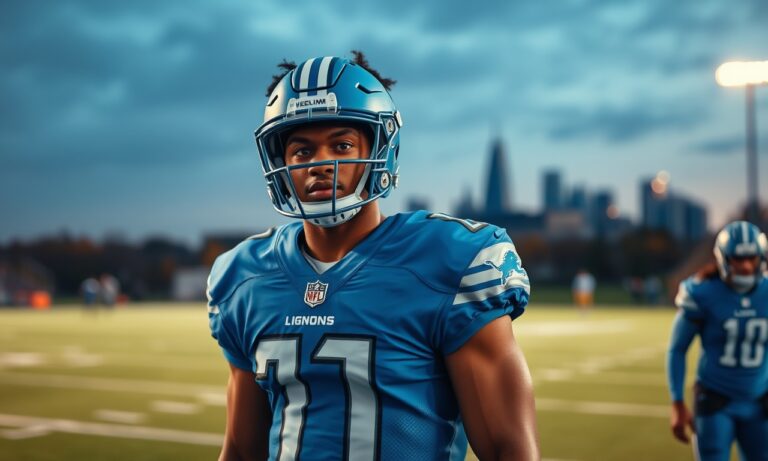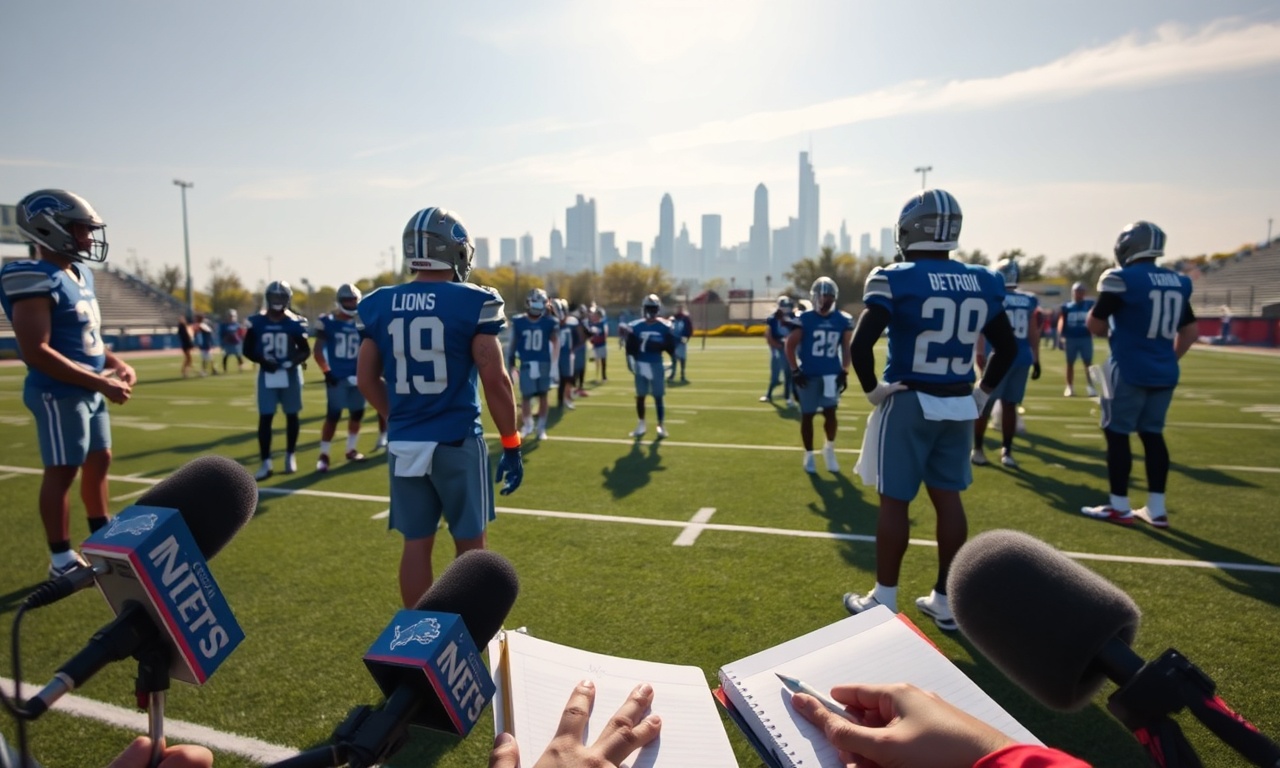
As the Detroit Lions move toward the 2026 training camp schedule, the conversation in Detroit is already shifting beyond the practice fields. Coaches and players will debate starting roles and depth-chart matchups, but the ripple effects can be felt closer to home—from how local hospitality businesses staff up for visiting fans to how neighborhood merchants prepare for game-week traffic. For Detroit sports fans, this is the season’s first real preview of who might help define the next stretch of the franchise.
In a roundtable-style look at what Detroit residents should watch during the 2026 training camp battles, we spoke with analysts and community stakeholders about how roster decisions intersect with local economic patterns and what the city’s sports ecosystem can realistically absorb this year.
Detroit Lions 2026 training camp battles: what a roundtable is really tracking
“Training camp isn’t just evaluation—it’s a story engine,” said Ben Fischer, an NFL beat reporter and editor who has covered roster construction and scheme fit for multiple teams. “For the Lions, the players who earn early practice reps also earn visibility. That affects how quickly roles stabilize once the preseason begins.”
Within that framework, Detroit’s 2026 training camp battles will likely be shaped by three realities: scheme demands, availability, and how quickly new and returning pieces learn the playbook. Even without knowing the exact practice-day lineup, fans can prepare for the most common “battle rhythms” that typically surface during camp—competition at key spots where small performance differences compound over weeks.
Role clarity on both sides of the ball
Teams often use training camp to answer two types of questions: (1) who can be trusted with the majority of first-team snaps, and (2) who provides reliable depth when injuries or matchups force adjustments. In Detroit, those questions usually land hardest at positions that require both physical execution and rapid communication—think quarterback timing windows, offensive line cohesion, coverage responsibilities in defensive backs, and pass-rush assignment accuracy.
According to the NFL’s official roster-building guidance and common front-office practice, the offseason period also sets the stage for what camp can accomplish: draft selections and free-agent additions can move from “newcomer” to “rotation candidate” quickly, while veterans may hold steady but still face tight competition when coaches adjust schemes or when prior starters evolve into different roles.
Special teams can decide the unofficial storyline
In Detroit, special teams is often where the roundtable conversation turns practical. The Lions’ ability to create field position swings—through coverage discipline, return decision-making, and kickoff execution—can translate into measurable wins over a season. That makes these competitions more than side quests: a strong camp showing can earn a player’s place on the 53-man roster, which then influences game-day staffing and fan expectations around matchups.
“Special teams competitions are the cleanest way to see coaching priorities,” Fischer said. “It’s where you learn quickly who’s being trusted with the small, repetitive tasks that decide close games.”
Impact on Detroit residents: from downtown crowds to neighborhood commerce
Detroit’s relationship to the Lions isn’t limited to Saturdays and Sundays. The broader city sports economy—restaurants, bars, ride-share demand, and retail near high-traffic corridors—often responds to the predictable scheduling cadence of football season. Even when training camp itself isn’t a direct “game day” event, early offseason momentum influences how local businesses plan for later peaks.
Data from the U.S. Census Bureau shows that establishments in the food services and drinking places sector are sensitive to consumer foot traffic and seasonal spending patterns, which can be influenced by major events and sports calendars. In practical terms for Detroit residents, this means staffing and inventory decisions made months ahead can start with the franchise’s offseason outlook and community buzz.
While training camp is primarily a team activity, it also feeds public attention. That attention tends to strengthen fan readiness for preseason and regular-season home games, raising the likelihood of earlier reservations and higher demand for delivery and takeout around established watch neighborhoods.
Detroit sports, local work, and the ripple effect
Local employment is part of the story. “When the Lions are competitive, it changes how customers behave,” said Amy E. Lane, a regional economic development researcher who tracks small-business impacts tied to major events, referencing patterns seen across U.S. metropolitan sports markets. “It doesn’t mean every business grows equally, but visibility and foot traffic tend to rise around typical fan gathering points.”
For residents in Detroit, the impact typically shows up in three ways:
- Hospitality staffing for later preseason and regular-season windows, including part-time roles in front-of-house and kitchen operations.
- Transportation demand near downtown and surrounding corridors on event-heavy weekends, which often influences surge pricing and ride-share availability.
- Local inventory planning for sports-themed promotions, meal bundles, and crowd-friendly offerings.
Background & data: why offseason decisions matter in Detroit
Detroit’s sports economy is shaped by more than fandom. It’s also shaped by how the city manages event-day infrastructure and how businesses prepare for demand. The city’s broader push for safer, more reliable transportation and improved public spaces remains relevant when large crowds converge—especially for residents who rely on public transit, ride-share, or walking between entertainment districts.
At the same time, roster decisions are a form of forward planning. According to the Pro Football Reference league transaction record approach and team-building norms widely reported across NFL outlets, teams evaluate not only talent but also availability and fit—attributes that show up in practice tempo and preseason deployment. By the time Detroit reaches regular-season kickoff, the most important camp outcomes often have already happened quietly: assignments are understood, communication issues are corrected, and competition determines who earns trust early.
What “training camp battles” look like in practice
In a typical training camp cycle, Detroit’s beat and community chatter concentrates on a few recurring signals:
- First-team vs. second-team reps: who consistently earns leverage across multiple practice segments.
- Turnover rate in key situations: where errors—missed protections, incorrect coverages, or inconsistent snaps—can quickly alter coaching trust.
- Performance under tempo: how players handle the speed-up periods coaches use to simulate game-like decision pressure.
Those signals matter in Detroit because they help fans anticipate how the Lions will distribute confidence throughout the season. And for local businesses, they matter indirectly: a coherent storyline about who is “ready” tends to increase engagement, which later influences consumption patterns on game-weekends.
What happens next for fans and the city
The Detroit Lions will treat the 2026 training camp period as a transition from offseason learning to live competition. For residents, the most useful way to follow the process is to track how roles evolve—not just who appears on the field. As camp progresses, the coaching staff’s decisions tend to clarify a few things quickly: the likely depth chart, which players handle pressure consistently, and whether offseason adjustments are landing.
For Detroit sports watchers, a roundtable preview is about more than practice talk. It’s about connecting the franchise’s internal competition to the city’s external rhythm—when fans gather, businesses plan, and neighborhoods feel the energy of football before the first kickoff.
As the Lions head toward camp, keep an eye on the competitions that are most likely to impact early-season trust: the positions where communication is hardest, where mistake tolerance is lowest, and where special teams excellence can keep a player employed through the roster cuts. In a season where every detail counts, that’s where the next Detroit storyline will start to take shape.