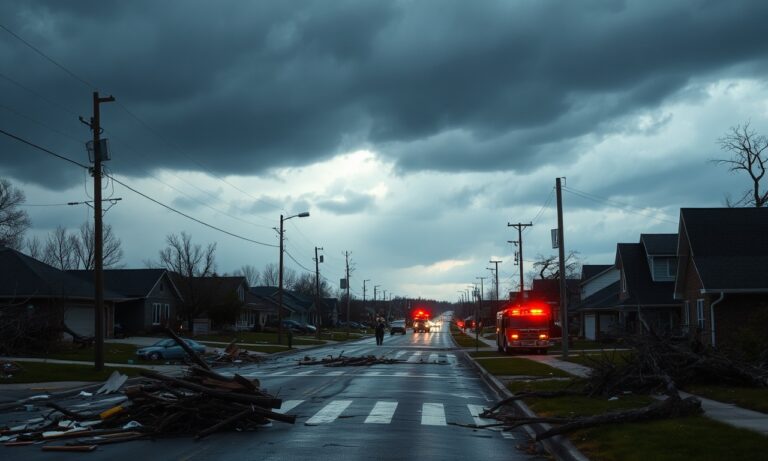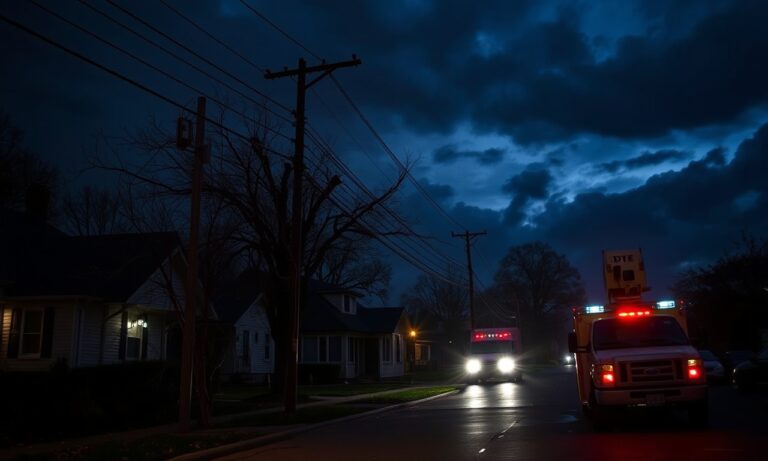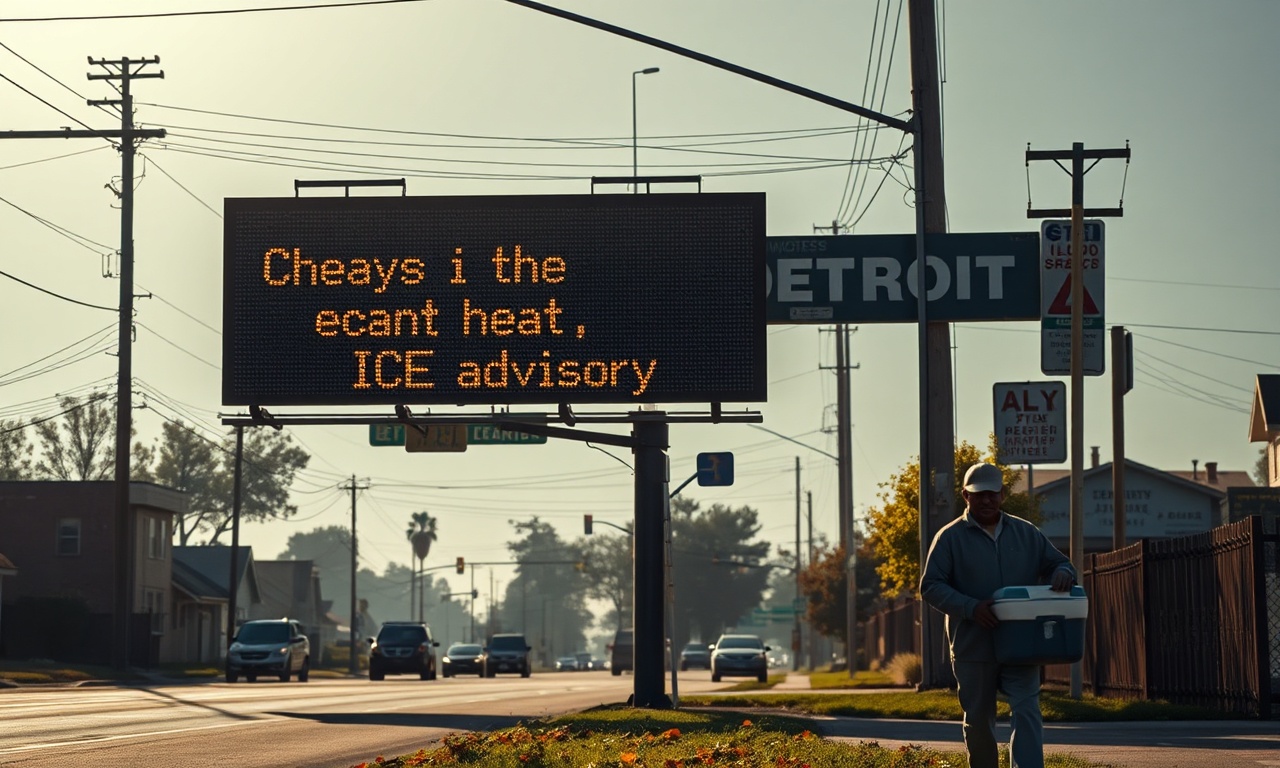
Around the Detroit region, an extreme heat warning has prompted cooling-center outreach and expanded public safety messaging as Metro Detroit weather officials warn that dangerous temperatures will persist into the evening hours. The forecast comes as outages in nearby communities, including Warren power outages, have affected residents and businesses already dealing with elevated demand for air conditioning.
Residents across the metro area are being urged to check on neighbors, limit outdoor activity during peak heat, and prepare for potential disruptions to cooling and medical equipment. Heat can also exacerbate power system stress, especially when utilities face higher load during sustained warm weather.
Extreme heat warning issued for the Detroit area
The Detroit heat wave has led to an extreme heat warning covering portions of southeast Michigan, according to the National Weather Service. The alert warns that heat index values may reach levels that can cause heat-related illness quickly, especially for people without reliable cooling or those working outdoors.
“During a heat warning, the primary risk is heat illness,” a spokesperson for the National Weather Service office serving the region said in updated guidance shared with local media. The message emphasized that hydration alone may not be enough if temperatures remain high and humidity is elevated.
Emergency management and public health partners are also highlighting the importance of monitoring vulnerable individuals. The Michigan Department of Health and Human Services has maintained heat-safety guidance, including recommendations for managing chronic conditions and recognizing signs of heat exhaustion and heat stroke.
Warren power outages complicate cooling and safety plans
While the primary hazard remains the heat itself, some residents in Warren power outages have reported difficulties maintaining indoor temperatures and charging devices during brief outages. In southeast Michigan, utilities can see increased strain during sustained high temperatures as air conditioners run longer and more customers rely on electricity at once.
According to data and incident reporting shared by DTE Energy during peak demand days, outage counts can shift quickly as crews respond to equipment issues and restore service. DTE has urged customers to use alerts for restoration updates and to avoid using large appliances during extended outages when possible, prioritizing medically necessary devices.
For residents facing outages, the practical challenge is that cooling often depends on electricity—particularly for households with older fans, window units, or medical devices requiring stable power. Heat can also increase the risk of spoiled food if refrigerators stop functioning.
Local impact in Detroit neighborhoods
Detroit residents are not only impacted by the heat itself, but also by how the city prepares for heat advisories. Community-based cooling support can be uneven depending on access to transportation and nearby services. Older adults, people with disabilities, and households with limited air conditioning are often the most affected.
Detroit’s public messaging often focuses on identifying safe spaces where residents can cool down. In past heat events, the City of Detroit and partner organizations have coordinated with community centers and libraries to serve as cooling options when conditions are extreme.
A city official with the City of Detroit said in recent heat preparedness communications that residents should take warnings seriously and make contingency plans early—especially for those who cannot safely self-transport. The official noted that extreme heat can build quickly, making early action important even for people who feel fine at first.
What Detroit residents can do during the extreme heat warning
Emergency and public health guidance for this Detroit heat wave aligns on a few key actions: reduce exposure, increase hydration and supervision, and create backup plans for cooling.
Among the steps being recommended:
- Limit outdoor activity during the hottest hours and avoid strenuous work outdoors when possible.
- Check on neighbors, especially older adults and people who live alone.
- Use cooling resources such as air-conditioned public buildings or community cooling centers when available.
- Prepare for possible power disruptions by keeping phone chargers ready and having a plan for medically necessary equipment.
- Recognize heat illness symptoms—including heavy sweating, confusion, and fainting—and seek help immediately if symptoms appear.
Local utility guidance during high-demand periods also typically includes practical steps such as keeping refrigerator and freezer doors closed during outages and avoiding unnecessary power use to reduce further strain on the system.
Background & data: why the heat hit so hard
Heat risks in the Great Lakes region are amplified when hot conditions combine with humidity, creating a higher heat index than air temperature alone. According to the National Weather Service, heat index values are used to reflect how the human body experiences weather conditions and provide a more accurate risk assessment for heat-related illness.
Regional climatology also matters. Data from the National Oceanic and Atmospheric Administration and other federal partners has documented that warm extremes can occur during summer months and that overall summer temperatures can rise over time. That means Detroit-area summers may see longer stretches of high temperatures and more frequent risk periods.
Power reliability can be tested during sustained heat because air conditioning demand drives peak electricity use. When the grid operates near capacity, even routine issues—like equipment damage from heat stress or localized storms—can lead to temporary interruptions and slow restoration times.
What happens next
Officials expect the extreme heat warning to guide safety steps through the worst of the heat cycle. As temperatures ease, the focus will shift to assessing utility performance, monitoring any additional outages, and ensuring residents who sought cooling support can return home safely.
For residents concerned about Detroit power restoration during any future outages, the most reliable sources are utility outage maps and official updates from emergency management partners. Residents can also prepare by identifying backup cooling options in advance, including nearby community spaces that may extend hours during dangerous heat.
In the meantime, public health and weather officials are urging vigilance. If symptoms of heat illness occur—or if a household member appears confused, is unable to keep cool, or has trouble staying awake—residents are urged to seek urgent medical help immediately.
This Detroit heat wave is a reminder that extreme temperatures can affect nearly every part of daily life, from health to home safety to the reliability of the electric grid. With the extreme heat warning in place and attention on Warren power outages, metro Detroit residents are encouraged to plan early and respond quickly as conditions change.