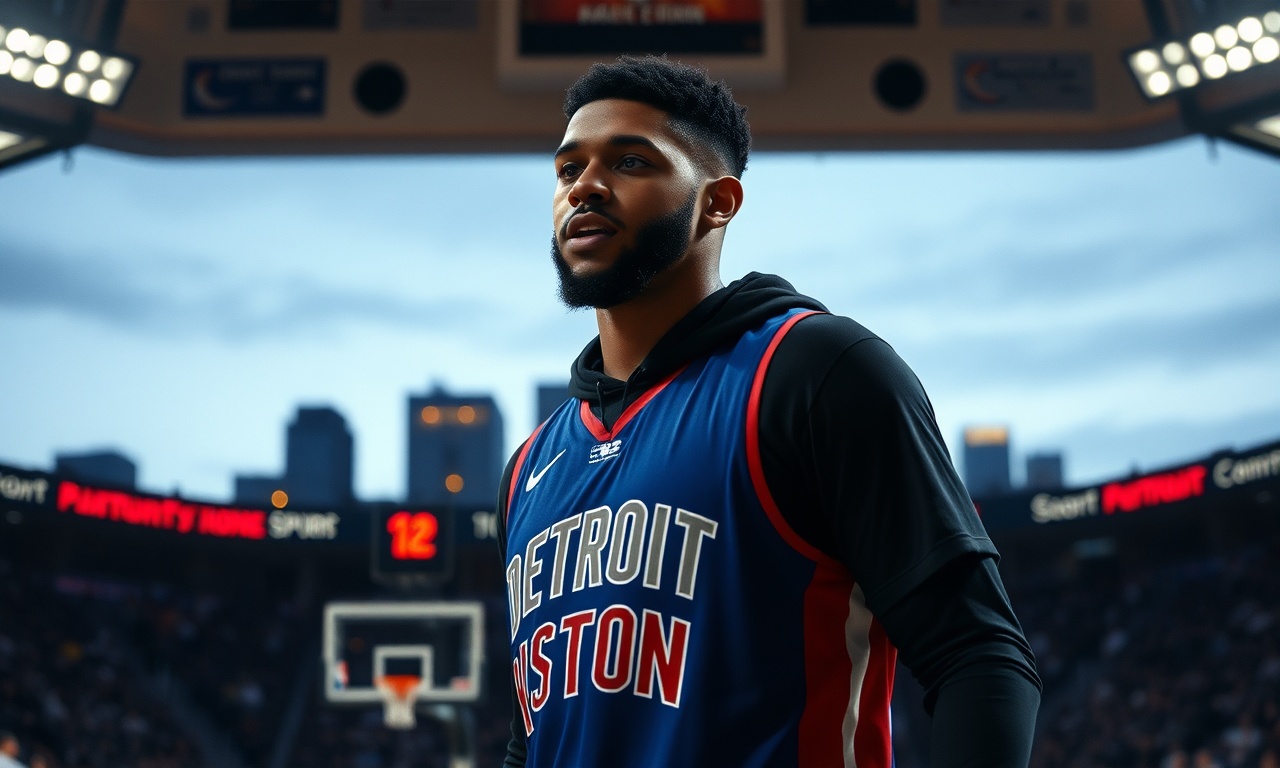
Detroit basketball news has shifted again after forward Tobias Harris addressed his decision to leave the Detroit Pistons for the Spurs vs Pistons storyline that will now unfold with a new uniform. In remarks provided around the time of his move, Harris framed the change as an opportunity shaped by how organizations build around talent, coaching direction, and the chance to contribute in a different role.
While the transaction has been part of NBA free agency chatter for days, Harris’s explanation offered Detroit fans a clearer window into why a veteran scorer would depart after time in the Motor City. The move also lands at a moment when Detroit supporters are closely monitoring how the Pistons plan to blend player development with the roster flexibility needed to chase long-term playoff competitiveness.
Main Section: Why Tobias Harris Left Detroit for San Antonio
According to statements Harris made in connection with his signing, his decision to sign with the Spurs reflected a combination of basketball fit and organizational expectations. Harris emphasized that the next chapter was about working within a system that aligns with his skill set and professional priorities, including sustaining impact on both ends of the court and mentoring younger teammates.
Though Harris did not characterize his departure as a break with Detroit, his comments made clear that the move was forward-looking. For Detroit, that distinction matters: the Pistons are in the business of redefining who they are as they evaluate the balance between present production and future roster construction.
League context also looms large. The NBA’s off-season player market routinely turns on timing—roster needs, salary-cap room, and how contenders identify players who can raise the floor of a team while still evolving. In that sense, Harris’s explanation mirrors a common free-agency calculus: determine where your contributions translate most effectively to wins, growth, and role clarity.
In addition to Harris’s remarks, beat coverage and team briefings have underscored that Detroit’s roster planning has involved weighing contract commitments against the flexibility needed to target specific player archetypes. The Pistons’ approach during NBA free agency is widely viewed as part of a longer cycle of building, which typically requires difficult decisions involving familiar faces.
Impact on Detroit Residents: From Arena Nights to Neighborhood Energy
For Detroit residents, the immediate impact is emotional—games feel different when a known veteran changes teams. But the effects are also practical, especially for fans who treat Pistons nights as part of their regular calendar and for local businesses that experience the ripple effect of crowds.
When star players change destinations, local spending can shift slightly even if season-ticket demand remains resilient. Stadium-adjacent restaurants, bars, and retailers often track foot traffic during home stands. The city’s broader entertainment economy—particularly around downtown—benefits from consistent event scheduling and the draw of recognizable talent.
According to data from the U.S. Bureau of Labor Statistics, employment and hours in industries tied to leisure and hospitality can be influenced by consumer demand patterns. While BLS figures do not measure a single player’s impact, they help illustrate why changes in event intensity matter to local workers, from servers and bartenders to event staffing firms that serve professional sports venues.
At the same time, Detroit’s community basketball ecosystem extends beyond the arena. Harris’s departure raises questions about how Detroit will keep motivating youth and recreational players who look to professional athletes as proof that consistent work leads to opportunities. Harris himself, as a veteran, has at times represented the kind of steady NBA presence that local programs can reference when encouraging players to develop discipline over the long term.
Still, the Pistons’ next chapter could include a different brand of leadership—one that may lean more heavily on player development priorities and internal role growth. For fans, that means calibrating expectations: a roster without Harris will likely change the offense’s day-to-day feel, and it could also alter the way coaches distribute minutes and set matchups.
Background & Data: Free Agency, Roster Fit, and Detroit Basketball News
The Pistons’ offseason decisions have become closely watched, in part because Detroit’s fan base has grown more attentive to how front offices use contracts and roster flexibility. In NBA free agency, teams must weigh the value of proven production against cap implications and the need to maintain enough space to pursue multiple paths to improvement.
According to reporting and analysis summarized by Basketball-Reference, roster construction decisions often reflect a combination of on-court roles, salary allocation, and team trajectory over time. While the specific numbers behind each contract vary by season and negotiations, the central point remains: players, teams, and agents treat free agency as a strategic process rather than a purely emotional one.
In Harris’s case, his explanation about leaving Detroit for the Spurs can be read as an effort to clarify what fans might not otherwise understand—how a player interprets fit. For example, a player may prioritize offensive responsibility, defensive scheme compatibility, or the chance to be a consistent presence rather than a rotational option.
Detroit’s perspective is equally important. The Detroit Pistons have spent recent seasons trying to establish identity, and roster change is a recurring part of that work. Detroit basketball news in any off-season typically revolves around who stays, who leaves, and how quickly the club can turn a new set of roles into coherent basketball.
In practical terms, Harris’s exit means Detroit will need to find offensive scoring and spacing from other players while reconfiguring lineup combinations that once relied on his skill set. It also influences preparation for the inevitable Spurs vs Pistons meetings, where Detroit fans will likely watch Harris closely for signs of how his role evolves outside Detroit.
What Happens Next: Expectations for Detroit Without Harris
Detroit’s coaching staff and players now face immediate questions: who will handle scoring responsibilities late in games, how the team will create mismatches, and what defensive assignments will look like without Harris on the floor. Those choices can affect not only the win-loss record but also player development—especially for younger teammates who will fill roles previously occupied by a veteran.
Fans should also expect heightened attention in the matchup narrative. When the Spurs come to town or Detroit travels to San Antonio, Harris’s presence will serve as a storyline magnet. For Detroit residents, that means even ordinary season preparations may come with an extra layer of scrutiny.
In the broader sense, Harris’s decision is another reminder that the NBA is a business of timing and fit. His stated reasoning—seeking a better alignment with team direction and role clarity—fits the pattern of how many players choose their next stops.
For now, Detroit basketball supporters are left to absorb both parts of the message: gratitude for a veteran’s time in the Motor City and realism about the ongoing churn of NBA free agency. The Pistons’ challenge is to convert that roster change into a coherent identity, then translate it into wins on the floor—so the downtown energy that comes with home stands continues to build, even after the roster card changes.
Local Impact: Downtown Game Nights and Community Connections
Even as fans adjust, Detroit will continue to count on NBA events as a civic rhythm point—drawn by the league’s brand, the arena’s location, and the cultural visibility sports provide. For small businesses nearby, the steadiness of the schedule is often as important as the names on the roster, though the intensity of interest can rise when familiar stars return to the spotlight.
Meanwhile, local basketball programs and youth leagues will keep working through the seasons regardless of roster headlines. But Harris’s departure may prompt renewed emphasis on local pathways: training camps, coaching mentorship, and skill development are the bridge between a pro franchise’s changing roster and the community’s steady desire to see more Detroit players thrive.
Detroit sports journalism will be watching how the Pistons respond—both in box-score production and in how quickly they establish a consistent style—because that response will define what comes next for the city’s NBA identity.