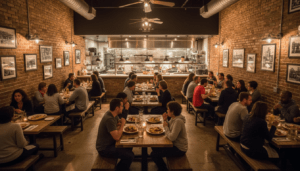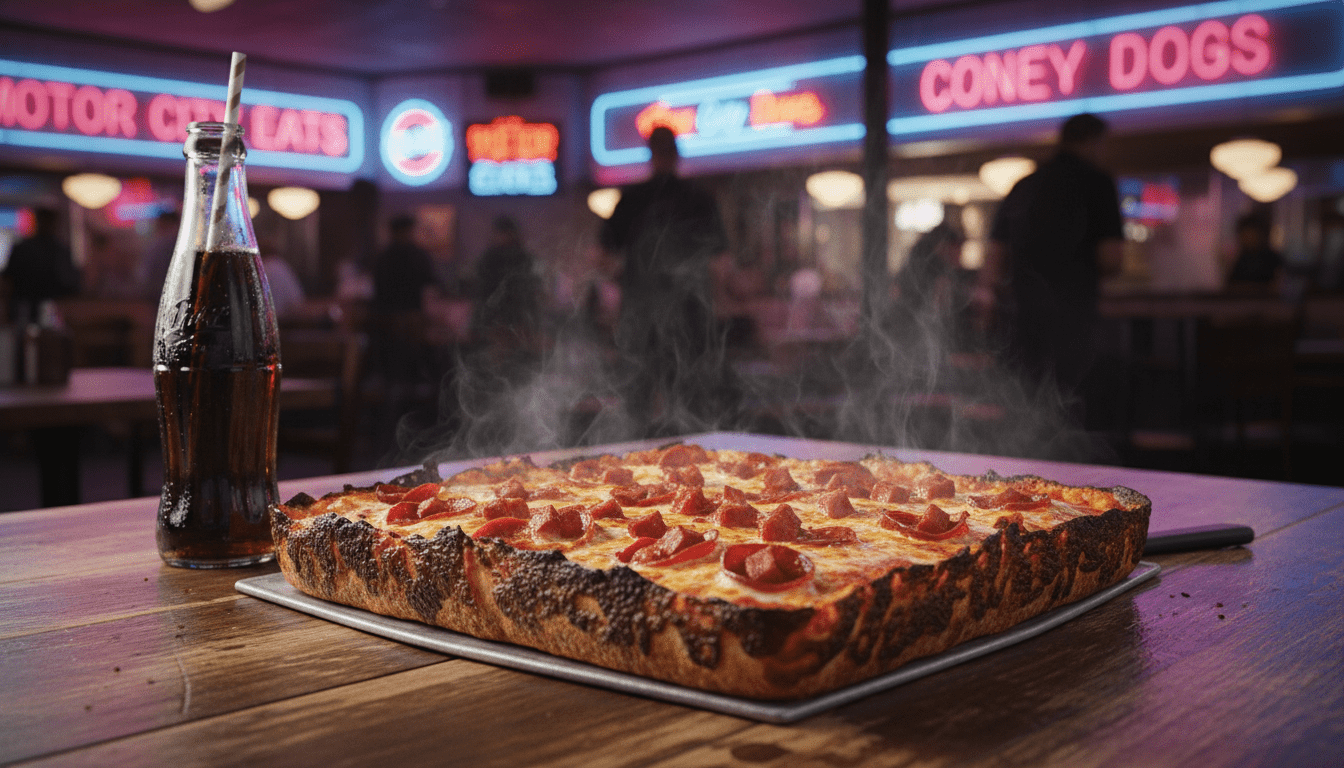
In the midst of a rapidly evolving downtown skyline and shifting neighborhood demographics, the Detroit food scene remains a steadfast pillar of the city’s cultural identity. While national publications have recently heralded the Motor City as a premier culinary destination, the foundation of this accolade rests heavily on iconic Detroit food staples that have weathered decades of economic volatility. From the steam-covered windows of Coney Islands to the crispy, caramelized edges of square pizza, these culinary traditions are not merely nostalgic—they are active economic drivers in Detroit’s modern revitalization.
According to recent reports from the Detroit Metro Convention & Visitors Bureau, culinary tourism has become a significant sector of the local economy, drawing visitors specifically seeking authentic regional cuisine. However, for the residents and business owners keeping these traditions alive, the narrative is one of resilience amidst rising supply costs and a competitive labor market.
The Enduring Legacy of the Coney and the Square Slice
To understand the current dining landscape, one must examine the historical context of Detroit’s most famous exports. The history of the Coney Island hot dog—a Greek-American adaptation that took root in the early 20th century—is documented extensively by the Detroit Historical Society. These establishments served as 24-hour community hubs for auto workers and residents alike, creating a unique dining culture that transcended class lines.
Similarly, Detroit-style pizza, characterized by its rectangular shape and Wisconsin brick cheese, has transitioned from a local curiosity to a global phenomenon. Yet, local proprietors emphasize that the authentic experience remains tied to the city’s specific supply chain and history. “It is about the pans, the hydration of the dough, and the specific cheese blend that you can really only get right here,” noted a manager at a long-standing pizzeria in the Cass Corridor. This adherence to tradition provides a sense of continuity in neighborhoods that have seen drastic physical changes over the last decade.
Economic Pressures and Local Business Adaptation
While the cultural cachet of iconic Detroit food is at an all-time high, the business reality is complex. Data from the U.S. Bureau of Labor Statistics indicates that food/beverage establishments in the Midwest have faced fluctuating input costs over the past two years. For Detroit’s legacy restaurants, this presents a difficult balancing act: maintaining the affordability that locals expect while covering increasing overhead.
Many owners have had to innovate to survive without alienating their core customer base. As reported in our previous coverage of small business challenges in Wayne County, some establishments are reducing operating hours or streamlining menus to cope with staffing shortages. Despite these hurdles, the demand for authentic local cuisine remains a stabilizing force for the local service sector.
Impact on Detroit Residents
For Detroiters, the preservation of these dining institutions is about more than just dinner; it is about maintaining “third places”—social environments separate from home and work. Sociologists and urban planners have long argued that accessible, affordable dining spots are crucial for community cohesion.
When a neighborhood Coney Island or pizzeria closes, it often leaves a void in the social fabric. Conversely, the investment in these spaces signals stability. Residents in areas like Southwest Detroit and Hamtramck continue to rely on these establishments as gathering points. The continued success of these venues also ensures that as downtown development projects expand, the city retains its distinct character rather than becoming a homogenized metropolitan area.
Furthermore, the “Detroit-style” branding boom has created jobs. From specialty pan manufacturers to dough production facilities, the ecosystem supporting these foods provides employment opportunities within the city limits, contributing to the broader local economy.
Future Outlook: Tradition Meets Innovation
Looking ahead, the trajectory for Detroit’s dining culture appears to be one of hybridization. A new generation of chefs is emerging—many of whom grew up on these iconic foods—and they are reinterpreting them within fine dining or fusion contexts. This evolution ensures that the food culture remains dynamic rather than static.
However, the challenge remains for city officials and economic development organizations to ensure that long-standing family-owned businesses can access the capital needed to upgrade facilities and compete with incoming corporate chains. As the city continues to attract national attention, the preservation of its culinary soul depends on supporting the original purveyors of iconic Detroit food.