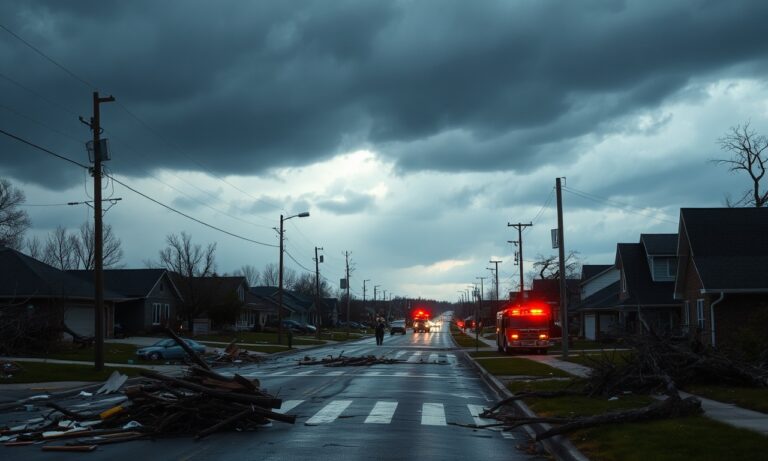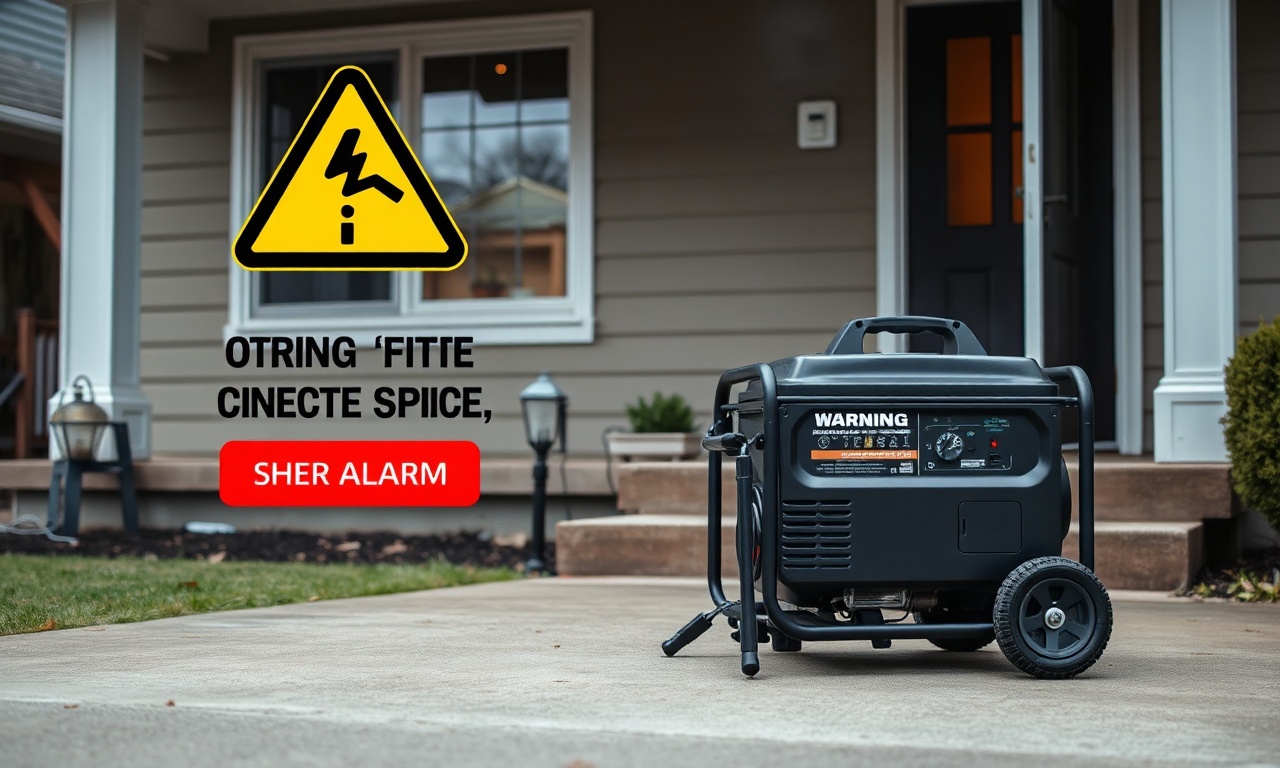
After a spate of tragedies tied to carbon monoxide from improperly used portable generators, the Detroit Fire Department is urging residents to follow safe generator use practices and to treat generator operation as a life-safety issue—not a convenience during power outages.
In a public warning issued this week, fire officials said the department has responded to multiple incidents where people attempted to run generators during emergencies without adequate ventilation or proper placement. Investigators identified carbon monoxide exposure as a factor in the deaths, highlighting how quickly the odorless gas can become fatal.
“Generator-driven carbon monoxide incidents are preventable,” the department said in its safety guidance. “Even a small amount of time indoors or near openings can put families at risk.”
Why generator safety matters in Detroit homes
Detroit residents often face weather-related disruptions, and many households rely on portable power units for medical equipment, refrigeration, charging devices, and lighting. But the Detroit Fire Department’s warning underscores that the same equipment can threaten occupants if it is run indoors, in attached garages, or too close to doors, windows, or ventilation systems.
Carbon monoxide is produced when fuel is burned. Portable generators burn gasoline or other fuels, producing carbon monoxide as a byproduct. The gas can accumulate rapidly in enclosed or semi-enclosed spaces, including basements, garages, and rooms connected to the home by air flow.
“The number-one rule is to keep the generator outdoors and away from air intakes,” said Michigan State University Extension in general guidance on home generator safety. “Never run a generator in a garage, even if the door is open, because carbon monoxide can still build up and enter the home.”
What the Detroit Fire Department is telling residents to do
According to the Detroit Fire Department’s safety materials, residents should take several steps before and during generator operation:
- Operate generators outdoors only, on a dry surface, with the exhaust pointed away from the home.
- Keep distance from openings such as windows, doors, vents, and crawlspaces. The guidance emphasizes avoiding placement near any pathway where exhaust could enter.
- Never use generators in garages or basements or in any partially enclosed area, even if doors or windows are open.
- Install and maintain working carbon monoxide alarms inside the home and follow manufacturers’ recommendations for test and battery replacement schedules.
- Check symptoms of carbon monoxide exposure, which can include headaches, dizziness, nausea, and confusion—symptoms that may be mistaken for the flu.
- Seek fresh air immediately if carbon monoxide poisoning is suspected and call emergency services.
The Detroit Fire Department also advised residents to review the generator’s manual and to use equipment properly rated for intended loads, saying that safe setup and safe placement are critical during emergencies.
Impact on Detroit Residents
In Detroit, where many residents manage household budgets and may have older housing stock with varied ventilation characteristics, carbon monoxide risk can be heightened when people attempt makeshift solutions during outages.
For families using dialysis machines, home oxygen concentrators, or other electrically powered medical devices, a generator can be lifesaving. But fire officials say the emphasis must shift from simply keeping power running to ensuring it is done without exposing residents to exhaust.
Neighborhood-level awareness matters, fire officials noted, because outage patterns can cluster by block due to localized infrastructure issues. When power goes out for hours—whether because of storms, utility work, or equipment failures—neighbors may share information informally, which can accelerate adoption of incorrect practices if initial guidance is missing.
Local emergency preparedness advocates say the warning is a reminder that home safety planning should begin before the next outage. “People often think of generator safety as a mechanical issue,” said a representative from a Detroit-area community safety organization who follows public outreach efforts around emergency preparedness. “But carbon monoxide is invisible, and the consequences can be irreversible. The best time to prepare is before you need it.”
Background & Data: carbon monoxide and emergency preparedness Detroit
Carbon monoxide is a recognized threat nationwide. The U.S. Centers for Disease Control and Prevention notes that carbon monoxide is produced by burning fuels and that poisoning can occur when exhaust is trapped inside homes, vehicles, or partially enclosed spaces. The CDC emphasizes that CO alarms can reduce risk by providing early alerts, but they must be functioning and placed correctly.
In its broader guidance, the National Fire Protection Association (NFPA) has repeatedly warned that generators and other combustion equipment should only be used outdoors and at a safe distance from buildings. NFPA also highlights that “running a generator in a garage, even with the door open” can still lead to lethal CO levels.
While specific incident details are still under investigation in the cases the fire department referenced, the pattern is consistent: portable generators create exhaust that can travel into homes through doors, windows, vents, or structural gaps, and symptoms may be delayed.
For emergency preparedness Detroit, the practical takeaway is that generator readiness should include CO awareness—testing alarms, understanding where exhaust can enter, and choosing a safe location before turning the unit on.
What Happens Next
The Detroit Fire Department said it plans to continue public outreach and reminders as residents prepare for seasonal weather and potential outages. Fire officials also encourage residents to educate household members, including children and seniors, on CO risks and on what to do if symptoms appear.
In addition to the CO safety messaging, fire crews urged residents to treat any signs of suspected carbon monoxide exposure as an emergency: leave the home for fresh air and call 911.
Utility outages often come with uncertainty, but safe generator use can reduce risk. As Detroit residents evaluate backup power options, the department’s warning serves as a clear checklist: keep generators outdoors, maintain CO alarms, follow the manufacturer’s instructions, and never allow exhaust to be drawn into the home.
Residents with questions about how to select alarm placement or how to prepare for outages are encouraged to contact local fire safety resources and review official guidance from established organizations.
Local safety reminders for your next outage
Before the next loss of power, consider these steps tailored to Detroit households:
- Confirm carbon monoxide alarms are working and replace batteries as recommended.
- Plan generator placement in advance so it can be set up outdoors immediately, with safe clearance from the home.
- Know emergency steps for CO exposure—fresh air first, then emergency services.
- Review your generator’s manual for operating conditions, safe distances, and load limits.
Detroit residents rely on generators for more than comfort during outages. The Detroit Fire Department’s message is that survival depends on safety choices made before the switch is flipped.