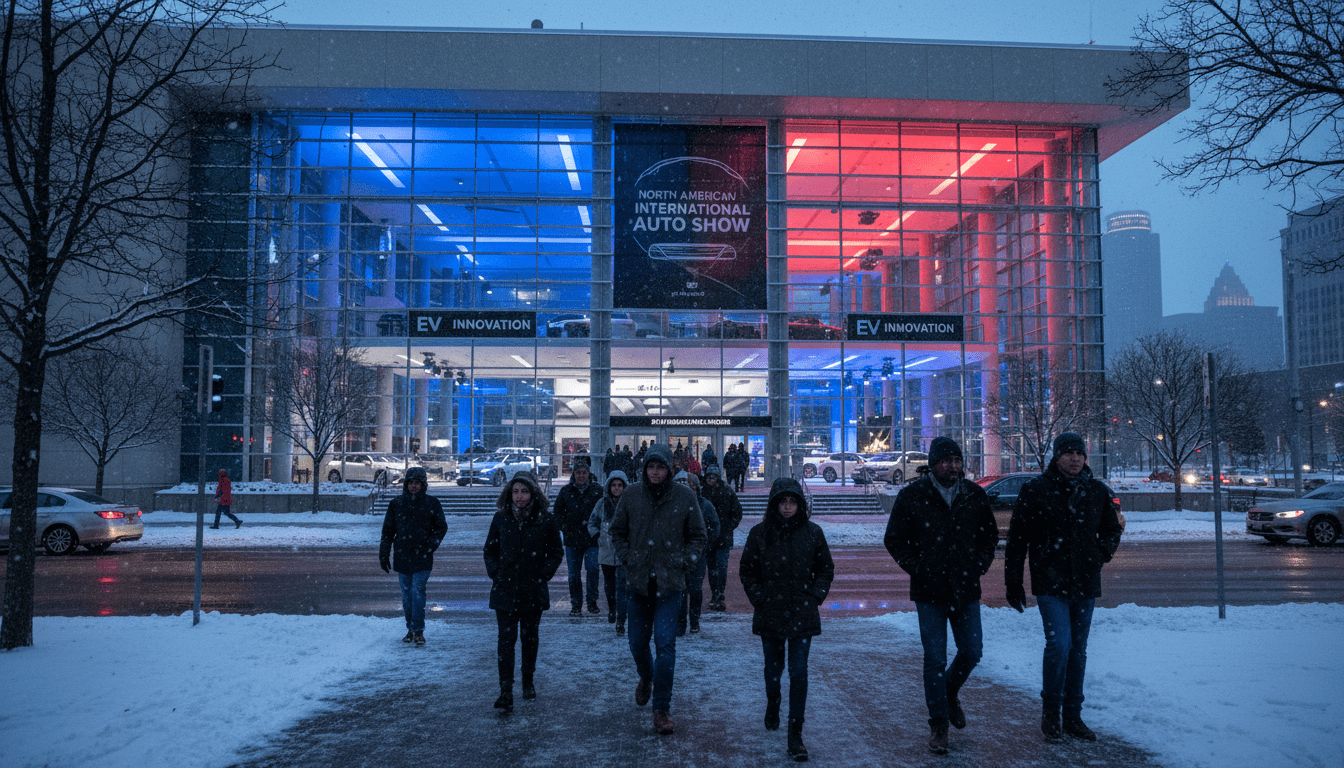
After years of experimentation with calendar shifts and outdoor activations, the North American International Auto Show (NAIAS) has firmly re-established its footprint in the heart of winter. As the city looks ahead, the 2026 Detroit Auto Show is poised to reinforce Detroit’s status as the global center of mobility, bringing with it significant logistical changes, economic opportunities, and traffic implications for downtown residents.
Following the strategic pivot back to January—a move celebrated by stakeholders and international media alike—the 2026 iteration of the show is expected to focus heavily on the integration of electric vehicle (EV) infrastructure and next-generation in-cabin technology. For Detroiters, the return to a winter schedule means a return to the traditional bustle of the Huntington Place convention center, but with modern complications regarding density and downtown access.
According to the Detroit Auto Dealers Association (DADA), the decision to lock in January dates for the foreseeable future was driven by manufacturer demand and the global automotive calendar. However, for the local workforce and residents living in the Central Business District, preparation is key to navigating the influx of global visitors.
The Return to Winter: Why It Matters for 2026
The experiment with a September show, aimed at creating a festival-like atmosphere with outdoor test tracks, ultimately proved challenging due to conflicting model release schedules and weather unpredictability. The 2026 Detroit Auto Show represents a full commitment to the traditional indoor format, but with a significantly expanded technological footprint.
“The industry spoke loud and clear,” said a spokesperson for DADA in a recent press briefing. “January is when the world watches Detroit. It is when the executives are available, and it is when the new models are ready for their global debut.”
For attendees, the 2026 show will likely feature an expanded “AutoMobili-D” showcase, highlighting startups and tech firms that are now as integral to the automotive supply chain as steel and rubber. Industry analysts suggest that the 2026 floor plan will dedicate nearly 30% more space to non-traditional automotive companies compared to the pre-pandemic era.
Impact on Detroit Residents and Commuters
For those living in neighborhoods such as Corktown, Midtown, and the Central Business District, the 2026 Detroit Auto Show brings a mix of economic vibrancy and logistical hurdles. The city is preparing for road closures that will likely mirror the strict security perimeters of past presidential visits, given the high profile of attending executives.
Traffic and Road Closures
Residents should prepare for significant disruptions along Jefferson Avenue and Washington Boulevard. The Detroit Department of Public Works is expected to release the official closure map 60 days prior to the event, but historical data suggests that the riverfront entrance to Huntington Place will be restricted to credentialed vehicles only.
The Detroit transportation infrastructure network will be tested. Local officials have indicated that the People Mover, which has undergone intermittent maintenance updates, will operate on an extended 24-hour schedule during the media and industry preview days to alleviate congestion on surface streets.
Hospitality and Local Economy
The economic ripple effect is substantial. Local restaurants and hotels are reportedly seeing reservation requests more than 12 months in advance. For Detroiters hoping to dine downtown during the show weeks, experts advise booking reservations as soon as the specific dates are locked in.
“It is not just about the Convention Center,” said a representative from the Detroit Restaurant & Lodging Association. “We see spillover revenue impacting businesses as far out as New Center and Southwest Detroit. The 2026 show is projected to bring a level of corporate spending we haven’t seen since 2019.”
Background & Data: The Economic Engine
The significance of the 2026 Detroit Auto Show extends beyond car enthusiasts; it is a vital economic engine for Southeast Michigan. Data from the Visit Detroit bureau indicates that a fully executed January auto show historically generates an economic impact in the range of $350 million to $450 million. This figure encompasses hotel stays, dining, booth construction labor, and transportation services.
In contrast, the fall iterations of the show struggled to reach these numbers, largely due to lower international media attendance. By returning to the start of the year, Detroit reclaims its slot as the “season opener” for the global auto industry, forcing competitors like CES in Las Vegas to share the spotlight rather than dominate it.
Furthermore, the North American International Auto Show organizers are working to ensure that the 2026 event includes robust public days that justify the ticket price. With inflation impacting entertainment budgets, the pressure is on manufacturers to bring interactive displays—such as indoor EV test tracks—that provide tangible value to local families.
Navigating the Show: Tips for Locals
To successfully navigate the 2026 Detroit Auto Show, residents and local visitors should consider the following strategic adjustments:
- Utilize the QLine and Park Mid-Town: Parking rates near Huntington Place often triple during the show. Parking in Midtown and taking the QLine south is often a more cost-effective and time-efficient option.
- Visit on Weekdays: If your schedule permits, avoiding the weekend public days can result in significantly shorter wait times for vehicle activations and simulators.
- Monitor Air Quality Alerts: With increased idling traffic and heavy bus volume, sensitive groups should monitor local air quality reports, a standard precaution during major downtown events.
What Happens Next?
As preparations for the 2026 Detroit Auto Show accelerate, the City of Detroit is focusing on aesthetic and functional improvements to the downtown corridor. This includes expedited timeline goals for ongoing construction projects to ensure the city presents its best face to the international press.
The focus now shifts to the major automakers—General Motors, Ford, and Stellantis—to see how they will utilize the 2026 platform. With the industry in a volatile transition toward electrification, their presence at the show will serve as a barometer for the health of the domestic auto industry. For further reading on local development projects timed for the show, see our report on Detroit development timelines.
Residents are encouraged to sign up for city alerts regarding traffic patterns and to support local businesses that may be crowded but are benefiting from the global spotlight returning to the Motor City.