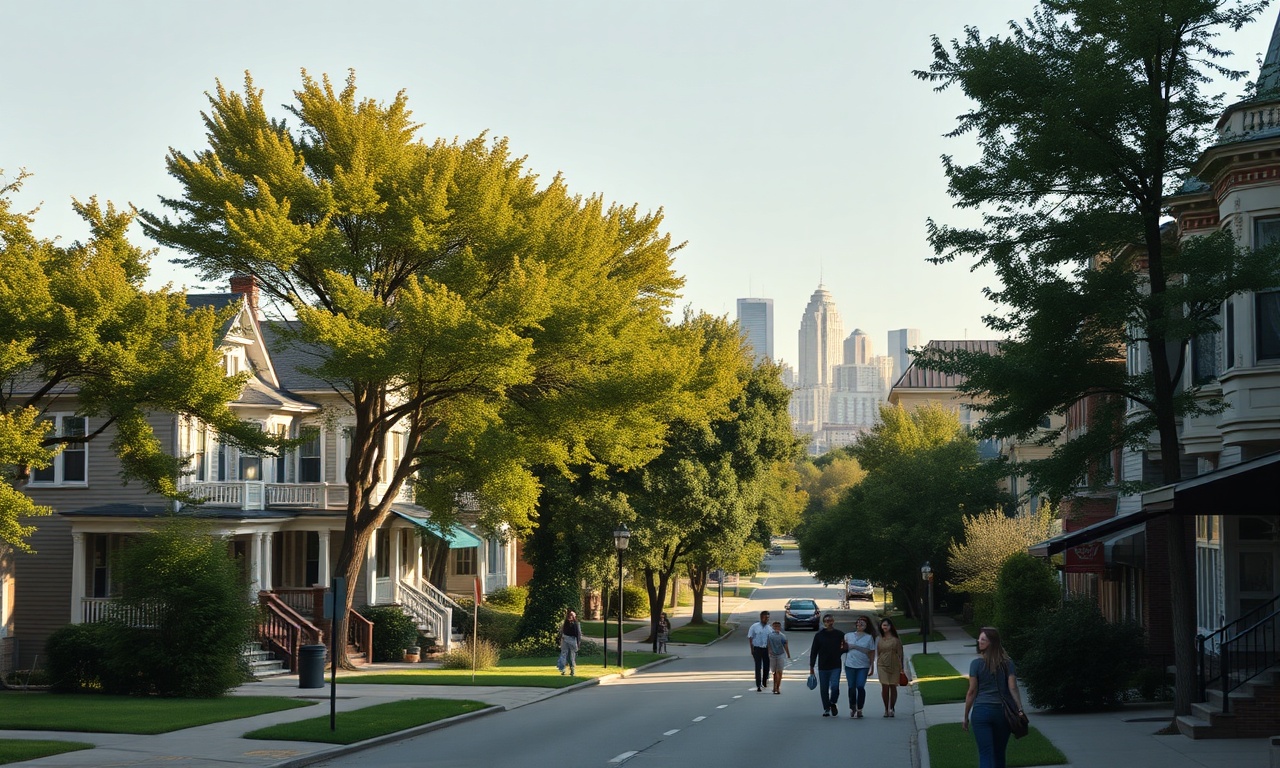
If you’re searching for best neighborhoods in Detroit but don’t know where to start, this guide is for you. You’ll learn how to evaluate Detroit areas for families, renters, and first-time homebuyers, what to look for in day-to-day life (schools, commuting, safety, housing stock), and a neighborhood-by-neighborhood breakdown of the most consistently popular options. Use this Detroit neighborhoods guide to make a confident short list—then verify details with local listings, walkthroughs, and recent city services.
How to choose where to live in Detroit (a practical checklist)
Before you compare maps and rent prices, decide what “best” means for your situation. Detroit neighborhoods vary widely block by block, so a method helps you avoid surprises.
- Rank your needs: family-friendly areas in Detroit often prioritize school options and parks; renters may prioritize transit, walkability, and rental reliability; first-time buyers typically need stable housing values and manageable home maintenance.
- Check block-level conditions: look for consistent street lighting, maintained sidewalks, and active homeownership versus large numbers of vacant or boarded properties nearby.
- Confirm daily convenience: grocery access, pharmacies, commute routes, and nearby recreation matter more than broad “neighborhood reputation.”
- Understand housing stock: Detroit’s mix includes bungalows, brick row/townhouse-style homes, and larger historical properties. Think about heating costs, basement moisture risk, and how much renovation you can handle.
- Test noise and traffic patterns: visit at different times (weekday morning, evening, weekend). One street can feel very different from the next.
- Plan for a realistic move-in timeline: for first-time homebuyer neighborhoods Detroit residents often recommend, ask your lender about timelines for inspections, appraisal, and any repair contingencies.
- Verify affordability details: don’t just compare rent or purchase price—estimate utilities, homeowner insurance, property taxes (if applicable), and potential HOA fees (if any).
Things to consider before you pick Detroit real estate neighborhoods
Detroit neighborhoods can be rewarding, but the differences are meaningful. Here are the factors that most often drive long-term satisfaction.
1) Schools and learning support
If you’re choosing family-friendly areas in Detroit, start with the full school landscape: public options near you, charter options you may qualify for, transportation realities (bus routes and travel time), and the availability of after-school programs.
2) Commuting and everyday logistics
Ask yourself where you’ll spend most of your time: work location, daycare/school drop-offs, and weekly errands. “Where to live in Detroit” should align with your routines, not just your favorite destination.
3) Safety and neighborhood consistency
Safety is both a macro and micro issue. Review public safety resources, but also do boots-on-the-ground checks: talk to neighbors when appropriate, watch how streets feel at night, and observe whether homes look cared for.
4) Rental quality and lease stability
Renters should confirm: who manages the property, how quickly maintenance requests are handled, whether landscaping and snow removal are included (in seasonal months), and if utilities are billed separately.
5) Home maintenance readiness (for first-time buyers)
Buying in first-time homebuyer neighborhoods Detroit residents often consider can be a smart entry into ownership—but plan for inspections and realistic upkeep. If you’re not handy, prioritize homes with updated systems (roof, windows, HVAC) and well-documented maintenance.
Best neighborhoods in Detroit for families (and why they work)
Families often prioritize stability, safe-feeling streets, parks, and proximity to schools and services. The neighborhoods below are commonly favored for family life—while still requiring block-level research.
1) Palmer Park
Why families like it: A classic, tree-lined Detroit feel with strong neighborhood character. You’ll often find a mix of housing styles and a sense of community pride. Many families appreciate the parks and nearby amenities that make weekend routines easier.
What to check: specific street conditions, parking constraints, and how far you are from your preferred school options.
2) University District
Why families like it: The area can be appealing for learning-focused households due to its proximity to education and community resources. It often attracts people who value walkable everyday needs and access to services.
What to check: commute times, street noise in busier pockets, and the mix of owner-occupied versus rental properties.
3) Greenfield (and nearby pockets)
Why families like it: Greenfield-style residential living can suit families who want more space and a suburban-adjacent feel while still being within Detroit. It’s frequently chosen by renters and buyers looking for practical daily access.
What to check: street-level maintenance, the condition of nearby sidewalks and lighting, and how close you are to grocery/medical options.
Best neighborhoods in Detroit for renters (quality of life + convenience)
Renters often want predictable maintenance, reasonable access to transit/roads, and neighborhoods that don’t feel isolated on weekends. Here are neighborhoods that many people shortlist when looking at where to live in Detroit as a renter.
1) Corktown
Why renters like it: A popular choice for walkable living, dining, and a lively neighborhood atmosphere. Corktown can be a good match if you want amenities within reach and don’t mind that demand can be high.
What to check: rental pricing trends, street parking dynamics, and whether the building/unit matches your noise tolerance.
2) Midtown
Why renters like it: Often attractive for proximity to cultural institutions, restaurants, and frequent city events. Midtown-style living can offer convenient errands and an active neighborhood feel.
What to check: building quality (especially older conversions), utility costs, and any block-to-block differences in traffic.
3) West Village
Why renters like it: A residential feel with nearby attractions and amenities. West Village can be appealing for renters who want a neighborhood vibe while still having quick access to parts of the city.
What to check: day/night street activity, parking availability, and the management style of the property owner or management company.
Best neighborhoods in Detroit for first-time homebuyers (starter-friendly choices)
First-time homebuyers need more than charm—they need inspection-friendly opportunities, housing that fits their budget, and realistic repair expectations. These areas are frequently considered as first-time homebuyer neighborhoods Detroit residents look at because they can offer a range of home types and community activity.
1) Bagley
Why it’s often considered: Bagley is known for its neighborhood energy and mix of housing. For many first-time buyers, it can represent a balance between affordability and access to major parts of the city.
What to check: roof/HVAC age, basement moisture indicators, and whether nearby properties appear consistently maintained.
2) East English Village (EEV)
Why it’s often considered: East English Village can appeal to buyers seeking a more established residential feel with a variety of homes. It’s a common target for first-time buyer consideration because you may find options at different price points.
What to check: block-level upkeep, exterior brick/paint condition, and whether the home layout works for your long-term needs.
3) Sherwood Forest (and similar south/central corridors)
Why it’s often considered: Certain residential corridors near the central and south portions of the city can offer a practical entry into homeownership for first-timers. These areas may appeal to buyers who want to personalize and improve a property over time.
What to check: street maintenance, the presence of active block associations, and whether comparable homes nearby have sold or updated over recent years.
Detroit neighborhoods guide: quick comparison by living style
Use this table-style guidance to narrow your search. Remember: the “best neighborhoods in Detroit” depend on the specific block and property, not just the neighborhood label.
- Best for families who prioritize community and parks: Palmer Park, University District, Greenfield (plus nearby pockets)
- Best for renters who want walkability and amenities: Corktown, Midtown, West Village
- Best for first-time homebuyers seeking manageable entry into ownership: Bagley, East English Village, Sherwood Forest (and similar residential corridors)
Step-by-step: how to shortlist the best neighborhoods in Detroit for you
Follow this workflow to turn research into a decision.
- Make two lists: (A) neighborhoods you’re excited about and (B) neighborhoods you consider “safe bets” for your budget and commute.
- Set your non-negotiables: commute time, parking needs, school priorities, and whether you need walkability.
- Do a weekend + weekday site visit: drive/walk the routes you’ll use most, and check street lighting, sidewalks, and day-to-day activity.
- Review current listings with intention: note how renovated homes look compared with similar properties nearby.
- For renters, request maintenance history: ask how quickly repairs are handled and confirm who pays for which utilities.
- For buyers, plan for inspections: get a thorough inspection and budget for common home systems—especially in older housing stock.
- Talk to locals when appropriate: ask about parking, street conditions, and what they like most about day-to-day life.
- Re-check your top choice twice: once mid-day and once in the evening to confirm your real comfort level.
Common questions about where to live in Detroit
What are the best neighborhoods in Detroit for families?
Many families shortlist neighborhoods like Palmer Park, University District, and Greenfield for their residential feel and access to parks and daily services. The best fit depends on your school priorities, commute, and the condition of individual blocks and homes.
Which Detroit neighborhoods are best for renters?
Renters often prefer areas such as Corktown, Midtown, and West Village for convenience, neighborhood activity, and access to amenities. Still, review each rental building’s maintenance quality, lease terms, and real-life noise/parking conditions.
Where to start when researching Detroit real estate neighborhoods?
Start with your daily routine: commute routes, grocery and medical access, and school or childcare needs. Then narrow by housing type and maintenance expectations, and finally verify block-level conditions during both weekday and weekend visits.
Are first-time homebuyer neighborhoods Detroit options worth it?
They can be—if you approach them with a disciplined inspection and budget plan. Look for homes with documented maintenance, prioritize critical systems (roof, HVAC, plumbing), and consider your ability to handle repairs without stretching your monthly costs.
How do I tell if a neighborhood is a good match beyond reputation?
Use on-the-ground verification: observe lighting, sidewalk conditions, home upkeep, and street activity at different times. For renters and buyers, review the specific property’s condition and ask targeted questions about maintenance, utilities, and repair history.
Final tips: make a decision you can feel good about
Choosing among the best neighborhoods in Detroit is less about finding a perfect label and more about matching your lifestyle to the right block, property condition, and support network. Use this Detroit neighborhoods guide to build a thoughtful shortlist, then confirm your choice with walkthroughs, inspections (if buying), and conversations with people who actually live there.