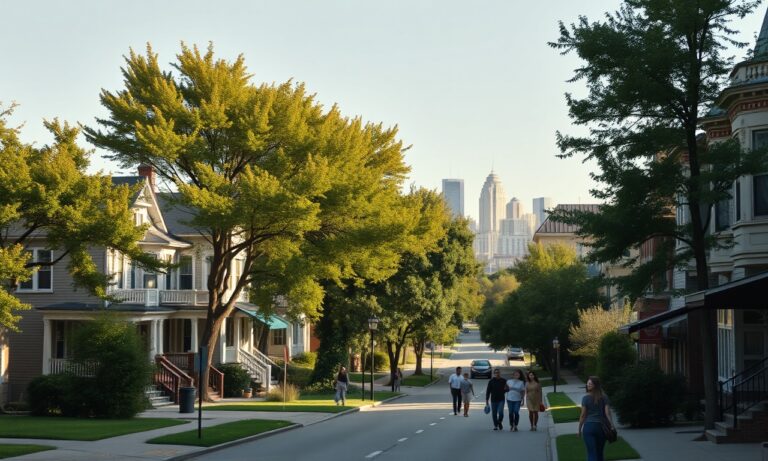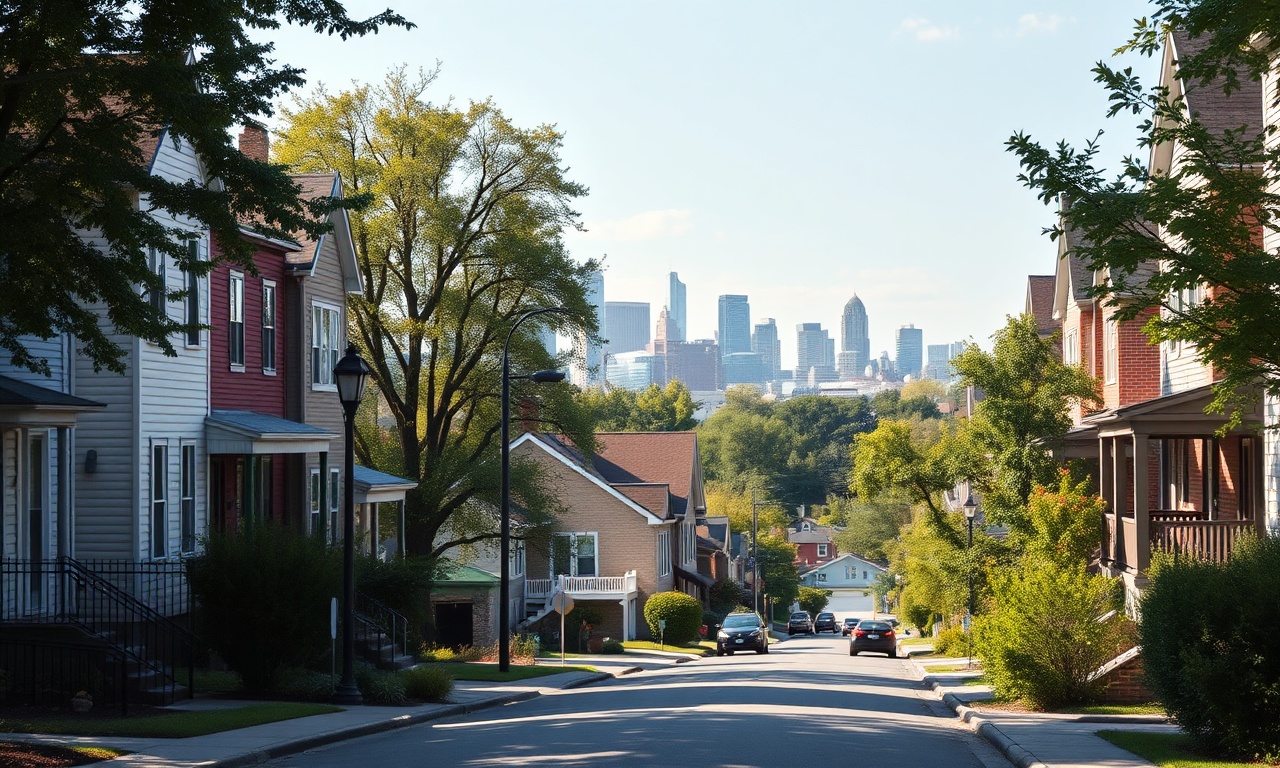
If you’re searching for the best neighborhoods in Detroit, this guide helps you narrow down where to live based on what matters most: family-friendly amenities, renter-focused affordability and logistics, and practical commute options. You’ll learn which neighborhoods tend to be the safest neighborhoods in Detroit to consider, what each area is like day-to-day, and a step-by-step checklist for choosing the right fit before you sign a lease or buy.
Quick Neighborhood Finder: Which Area Fits Your Goal?
- Detroit neighborhoods for families: Look at areas known for parks, schools, and community institutions (often with a stronger owner-occupier mix).
- Where to live in Detroit for renters: Prioritize neighborhoods with active rental markets, walkable basics, and dependable access to main corridors.
- Detroit commute times: Choose a neighborhood near your likely commute route—especially if you’ll travel by car to job centers in the metro area.
Because “best” depends on your exact destination and lifestyle, use the comparisons below as a shortlist and then verify details with on-the-ground visits.
How to Evaluate Safe Neighborhoods in Detroit (Beyond the Hype)
Many neighborhood pages focus on broad labels, but a good decision comes from checking the factors that most strongly affect daily life. When you’re evaluating safe neighborhoods in Detroit, consider:
- Street-level consistency: Notice the condition of lighting, sidewalks, and building upkeep. Look for “block-by-block” differences.
- Commercial vitality near residential blocks: Areas with nearby, well-used retail tend to feel calmer and more predictable.
- Property maintenance: Regular landscaping, maintained entrances, and fewer abandoned buildings usually correlate with stability.
- Noise and traffic patterns: Heavy cut-through traffic can affect comfort even when a neighborhood is generally well-maintained.
- Timing of your visit: Walk or drive through at different times (weekday morning/evening and a weekend hour) to gauge real-life activity.
Tip: When possible, visit your target neighborhood more than once and include a “commute realism” test—see how the route actually behaves during your typical travel window.
Best Neighborhoods in Detroit for Families: What to Expect
For Detroit neighborhoods for families, people generally care about parks, a sense of community, safe-feeling streets, practical school options, and nearby family services. While no neighborhood is perfect, these areas are commonly chosen by families for their livability and access to day-to-day needs.
1) Corktown
Best for: Families who want an active neighborhood vibe and easy access to downtown-adjacent amenities.
- Family feel: Often described as lively yet community-oriented, with frequent activity near major corridors.
- Renter/buyer mix: Broad housing variety, including apartments and renovated homes.
- Commute advantage: Typically convenient for routes toward central Detroit destinations and many metro job sites.
2) Palmer Park
Best for: Families prioritizing calmer residential streets and a classic neighborhood feel.
- Family feel: Known for park proximity and a neighborhood character that can feel established and steady.
- Housing stock: Many homes are traditional, with a focus on long-term stability.
- Practical tip: Confirm school options and verify what’s walkable for your daily routines.
3) University District (near major education corridors)
Best for: Families who want proximity to educational institutions and community services.
- Family feel: Often supports ongoing activities and services tied to nearby institutional life.
- Things to check: Street-by-street conditions and how rental turn-over varies block to block.
- Commute advantage: Useful for destinations near the educational corridor and central routes.
4) Greenfield / Southwest-adjacent residential pockets (varies by block)
Best for: Families looking for space and a more suburban-feeling residential setup close to city access.
- Family feel: Neighborhood character can feel more residential and grounded depending on the specific pocket.
- What to verify: Exact proximity to shopping, parks, and any daily-service needs.
- Commute advantage: Often workable for drivers depending on where your job is located.
Where to Live in Detroit for Renters: Neighborhood Traits That Matter
Searching for where to live in Detroit for renters typically means you care about reliable rental availability, responsive property management, predictable neighborhood maintenance, and everyday access (grocery, transit options, and quick routes). Here are neighborhood characteristics commonly associated with renter-friendly experiences.
Renters’ Checklist (Use This Before You Tour)
- Confirm the rental reality: Ask how quickly units typically turn over and whether leases are month-to-month or longer-term.
- Check the “block comfort” factor: Walk from the building to nearby essentials and observe lighting and sidewalk continuity.
- Evaluate parking and access: If you drive, confirm off-street parking options and typical street parking patterns.
- Assess building maintenance: Look at entryways, basement/common areas (if visible), and how recently the building appears updated.
- Test noise levels: Visit at evening hours and at times when nearby bars/venues or traffic patterns are active.
Renter-Friendly Neighborhoods to Consider (With Practical Notes)
Rather than presenting a single “best,” it’s more useful to match renters to the kind of experience they want—walkability, nightlife proximity, quieter streets, or easy driving routes. Many renters find success in neighborhoods that combine a stable housing mix with nearby essentials.
1) Midtown (near major commercial corridors)
Best for: Renters who want walkability to daily needs and easy access to central Detroit attractions.
- Day-to-day access: Often strong for groceries, dining, and services.
- Community energy: Frequently more active than purely residential areas—great for some, less so for others.
- Commute advantage: Generally practical for drivers and for trips toward central job sites.
2) New Center
Best for: Renters who prioritize convenience, medical/institution proximity, and steady neighborhood activity.
- Stability: Often perceived as a practical place to live due to ongoing institutional and commercial presence.
- Renting considerations: Confirm building quality and how amenities are handled.
- Commute advantage: Typically strong for work destinations in the Detroit core and along main corridors.
3) East English Village (and similar east-side pockets)
Best for: Renters who want a more residential feel while still being near city access routes.
- Residential comfort: Often chosen for everyday livability and neighborhood atmosphere.
- What to check: Condition of sidewalks, street lighting, and nearby commercial access.
- Commute advantage: Depends heavily on your job location; test the route at typical times.
4) Lafayette Park / Cass corridor-adjacent areas (as applicable)
Best for: Renters seeking proximity to downtown-adjacent employment and services.
- Convenience: Often useful for those who want to minimize travel time to city-center destinations.
- Lifestyle fit: Depending on the specific block, it may feel more urban and less quiet.
- Parking and access: Verify parking rules and typical street turnover.
Detroit Commute Times: Neighborhoods That Reduce the “Drive Burden”
When people search for Detroit commute times, they usually mean “How long will it take me to get to work reliably, and will the route be predictable?” Neighborhood choice can matter more than people expect, especially if you commute across multiple arterial roads.
How to Choose a Commute-Friendly Neighborhood
- Start with your destination: Identify your most likely workplace location, not just the “general area.”
- Use the route test: Check a realistic weekday commute time for the hours you’ll actually leave.
- Consider secondary impacts: Traffic bottlenecks, construction-prone corridors, and parking availability at your job matter as much as mileage.
- Plan for weather and darkness: A slightly longer but more straightforward route can feel shorter in winter.
- Look for access to major roads: Neighborhoods closer to main routes can reduce variability.
Commute Scenarios (Common Patterns)
- City-center jobs: Neighborhoods closer to Midtown, New Center, and downtown-adjacent areas often reduce travel time and increase flexibility.
- Metro-area jobs (outside Detroit): Your best option depends on which direction you’re driving—east, west, north, or south. Verify route predictability before deciding.
- Hybrid schedules: If you’ll drive at different times, choose neighborhoods that keep you near your most frequent route to minimize “time swings.”
Neighborhood Guide Detroit: Things to Compare Side-by-Side
A strong neighborhood guide Detroit should help you compare neighborhoods with a consistent set of criteria. Use this side-by-side comparison before you narrow down to final picks.
Comparison Checklist
- Safety feel: Walk the blocks you’ll use daily (to transit, grocery, and parking).
- Daily convenience: Are grocery stores, pharmacies, and schools/services reasonably close?
- Rental practicality: How responsive is management? How are repairs handled?
- Parking and access: Can you park easily and consistently?
- Family logistics: Parks, playground access, and safe-feeling routes for everyday errands.
- Commute realism: Re-check commute time on at least one weekday morning and one evening.
- Neighborhood character: More nightlife and activity vs. quieter residential blocks.
Things to Consider Before You Choose a Neighborhood
Even within the same neighborhood name, block-level differences can be meaningful. Before you commit, consider these factors that frequently impact satisfaction after move-in.
- Block-level variation: Two nearby streets can feel like different worlds. Your decision should reflect what you’ll experience daily.
- Construction and traffic impacts: Road changes and nearby projects can shift noise and access for years.
- School and childcare reality: Verify current options and commute logistics for school drop-off and pick-up.
- Property management quality: In rental-heavy areas, management practices can vary widely from building to building.
- Long-term fit: If you’re planning to stay multiple years, prioritize neighborhood stability and practical convenience over short-term hype.
FAQ: Best Neighborhoods in Detroit for Families, Renters & Commuters
What are the best neighborhoods in Detroit for families?
The best fit for Detroit neighborhoods for families usually combines safe-feeling daily streets, practical access to parks and services, and realistic school or childcare logistics. Areas such as Corktown and Palmer Park are often considered by families, but the ideal choice depends on your specific commute and school needs.
Where to live in Detroit for renters if I want a safe-feeling area?
For where to live in Detroit for renters, focus on neighborhoods where building maintenance looks solid, lighting and sidewalks are consistent, and everyday essentials are nearby. Midtown and New Center are common renter choices for convenience, but you should still tour multiple times and evaluate the exact block and building quality.
How do I estimate Detroit commute times before choosing a neighborhood?
Use a route test: check commute time for your expected departure and return hours, not just midday estimates. Then visit the neighborhood and try the route once in-person. Parking availability and bottleneck patterns can make the real experience differ from typical map results.
Are there truly “safe neighborhoods in Detroit”?
Safety is experienced at the block and street level, not only by neighborhood name. When looking for safe neighborhoods in Detroit, evaluate lighting, upkeep, and the daily comfort of walking between your home and the places you’ll use most (grocery, parking, schools, transit).
What should I check during a neighborhood tour?
Visit at different times, test a realistic walking route, observe building condition, and speak with leasing staff about maintenance and parking. For families, also check nearby parks and safe-feeling routes for everyday errands.
Bottom Line: Build Your Shortlist, Then Verify
The most reliable way to choose the best neighborhoods in Detroit is to match your lifestyle needs—family logistics, renter practicality, and commute reality—to a small shortlist. Then verify with tours at multiple times, route tests for the hours you’ll travel, and block-level observation of everyday comfort. If you do that, you’ll turn a broad neighborhood list into a clear, confident decision.