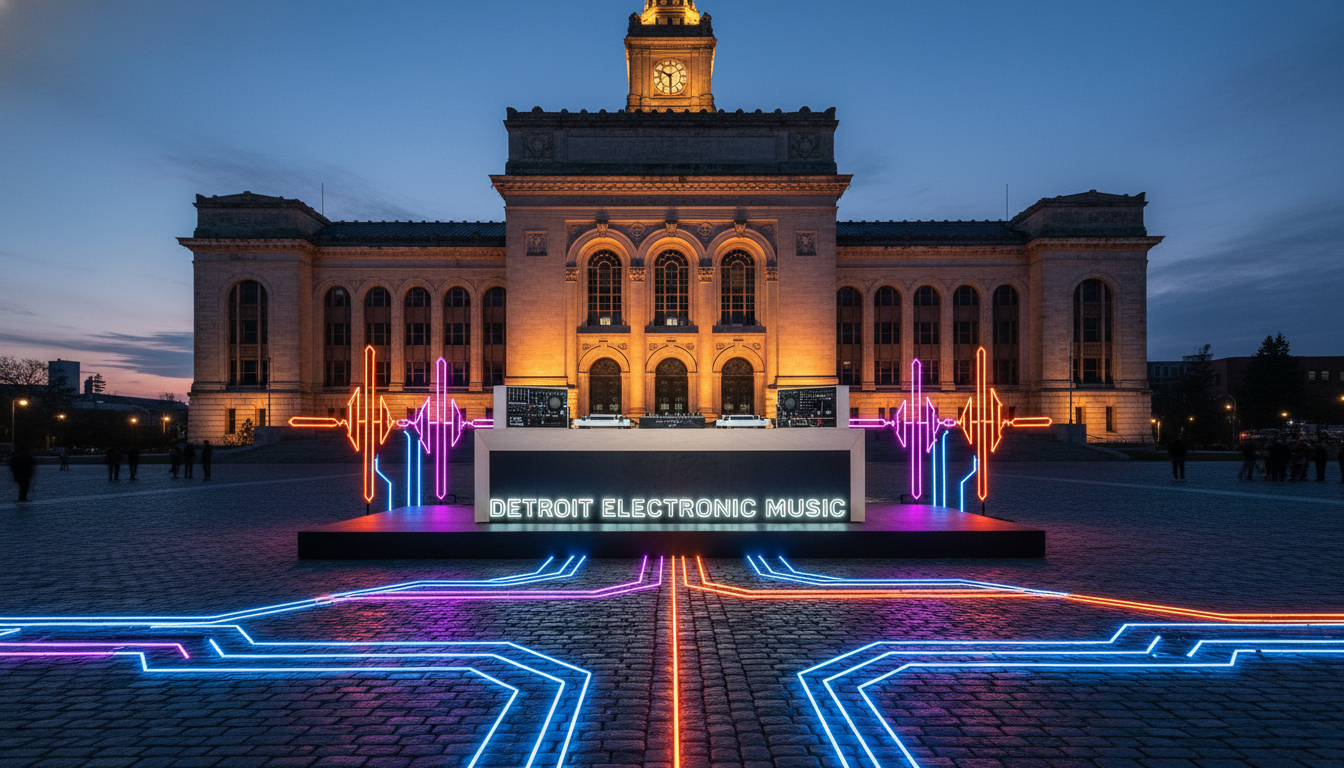
The intersection of international artistry and Detroit’s storied musical heritage reached a new focal point this week as Swedish DJ and producer Tekvora announced the premiere of his latest project, Stillness in Motion. The project, which includes a multi-sensory performance and a collaborative digital release, arrives at a time when the Detroit electronic music economy is experiencing a significant resurgence in global investment and domestic growth.
Known for his atmospheric and rhythmic precision, Tekvora’s arrival in the Motor City is more than a simple tour stop. It represents a growing trend of European artists seeking to anchor their creative output in Detroit’s unique urban landscape, citing the city’s unmatched influence on the global techno and house genres. The project, Stillness in Motion, aims to capture the juxtaposition of Detroit’s industrial architectural history with the fluid, evolving nature of its modern creative class.
The Strengthening Detroit Electronic Music Economy
The arrival of international talents like Tekvora is a byproduct of a deliberate push to formalize the business of music within the city. According to the City of Detroit’s Office of Arts, Culture, and Entrepreneurship (ACE), the creative industries in the region contribute billions to the local economy annually. Officials note that electronic music, specifically, has become a primary driver for international tourism, drawing hundreds of thousands of visitors who contribute to a thriving ecosystem of hospitality and retail.
“Detroit’s status as a global music capital is not just a point of pride; it is a critical economic engine,” a representative from the Detroit Economic Growth Corporation (DEGC) stated in a recent briefing regarding the local business growth initiatives. The DEGC has increasingly focused on the “nighttime economy,” recognizing that venues and cultural events serve as catalysts for neighborhood revitalization and job creation for Detroit residents.
Data from the U.S. Census Bureau’s County Business Patterns highlights a steady increase in the number of small businesses related to sound recording and performing arts in the Wayne County area over the last five years. This growth is mirrored by the expansion of boutique hotels and dining establishments in neighborhoods like Corktown and the North End, which often serve as hubs for the electronic music community.
How ‘Stillness in Motion’ Impacts Local Residents
While the performance of a Swedish DJ may seem niche to some, the infrastructure required to host such projects has a direct impact on the local workforce. The production of Stillness in Motion has reportedly utilized local lighting technicians, stage hands, and venue security, highlighting the job-creating potential of the Detroit electronic music economy.
Furthermore, the project includes a commitment to local education. Sources close to the production indicate that Tekvora will lead a workshop for aspiring producers at a community center in the city, providing access to professional-grade software and industry insights. This “give-back” model is becoming a standard requirement for international artists seeking to utilize Detroit’s iconic public and private spaces for their work.
For many residents, the growth of this sector means improved public safety and lighting in entertainment districts. As the city invests in the infrastructure necessary to support high-profile cultural events, the benefits—such as improved sidewalk maintenance and increased public transit frequency during event weekends—spill over into the daily lives of those living in the city’s core.
A Legacy of Innovation
Detroit’s relationship with electronic music dates back to the early 1980s, but the current era is defined by a shift from underground subculture to a structured economic pillar. The success of the Detroit electronic music economy relies on the city’s ability to protect its heritage while embracing newcomers who respect the “Detroit sound.”
“Stillness in Motion is a tribute to the foundation laid by the pioneers,” Tekvora said in a statement released through his management. “Detroit teaches you that rhythm is constant, even when the world seems to stand still.” This sentiment resonates with the city’s own narrative of resilience and steady progress. By bridging the gap between Stockholm and Detroit, the project underscores the city’s position as an essential node in a worldwide cultural network.
Previous reports on cultural tourism trends in Michigan suggest that electronic music enthusiasts are among the most loyal and high-spending demographic of visitors, often staying for multiple days and engaging with local vendors beyond the primary event space. This long-term engagement is what city planners hope to cultivate through continued support of the arts.
What Happens Next for Detroit’s Arts Scene
As the city prepares for the upcoming festival season, the success of individual projects like Stillness in Motion will serve as a bellwether for the health of the local industry. The City of Detroit Office of Arts, Culture, and Entrepreneurship continues to advocate for policies that lower the barriers to entry for local artists while maintaining the high standards required for international productions.
Looking forward, the DEGC expects to see further integration of technology and music within Detroit’s innovation hubs. As more artists move toward digital-physical hybrid performances, the demand for specialized tech workers within the city is expected to rise, further diversifying the Detroit electronic music economy.
For now, the focus remains on the immediate cultural impact of Tekvora’s residency. As the sounds of Stillness in Motion echo through the city’s historic corridors, they serve as a reminder that Detroit’s most valuable export remains its ability to inspire movement—both on the dance floor and in the boardroom.