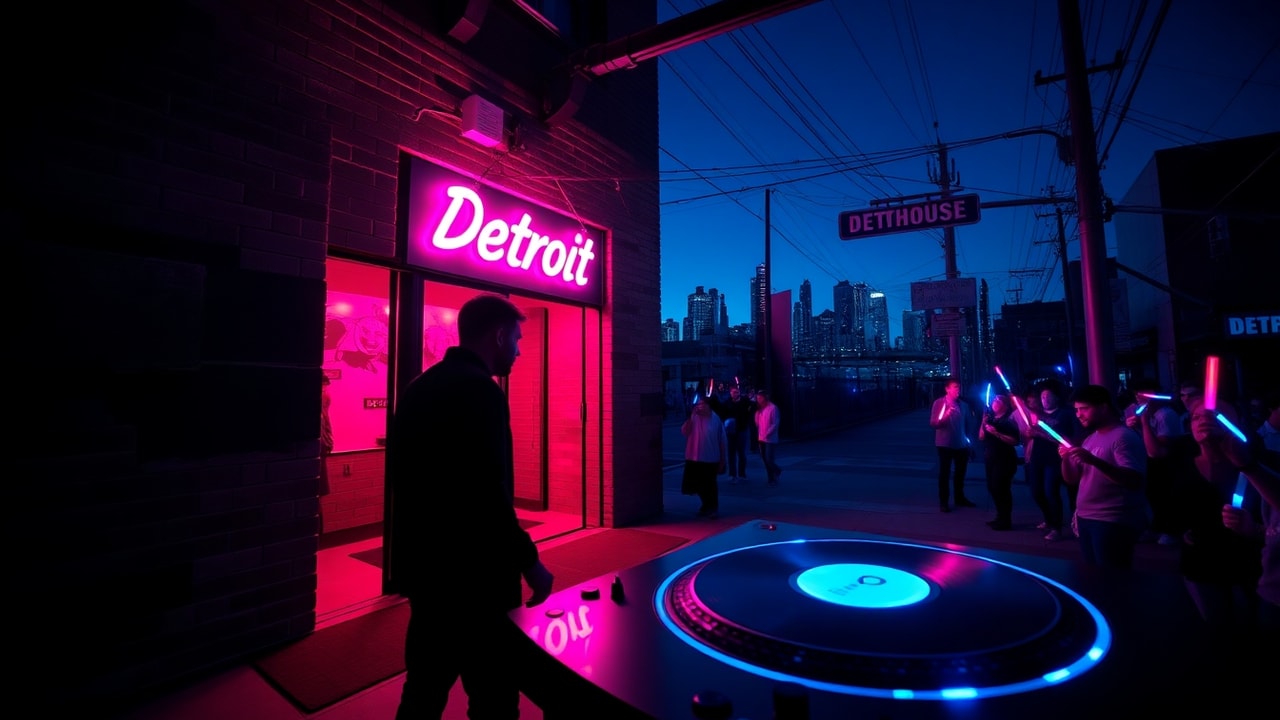
From the moment the lights dim and the first kick drum hits, techno in Detroit can feel like a shared language—one that travels well beyond the Motor City. In recent months, more visitors have arrived specifically for nights out built around the city’s electronic music ecosystem, a trend local organizers say is creating new business opportunities while also raising questions about how tourism dollars are distributed and whether residents are being treated as stakeholders, not bystanders.
Detroit music legacy tours, warehouse-style shows, after-parties and DJ-led events have become a growing part of the city’s broader nightlife draw. But turning that cultural interest into a healthier, more sustainable visitor economy depends on things visitors rarely see: licensing rules, public safety capacity, neighborhood partnerships, and the everyday businesses—bodegas, bars, ride services, promoters, and venues—that make a night possible.
Detroit techno tourism grows alongside a maturing nightlife economy
While Detroit’s techno brand has long been known nationally and internationally, its role in tourism has expanded as marketing shifted from “music history” to “music experiences.” Data on visitor spending isn’t always broken out by genre, but the overall tourism cycle is measurable. According to the U.S. Travel Association, travel is a significant contributor to city and state economies, and Detroit’s tourism sector has recovered unevenly since pandemic-era declines.
Local nightlife operators say the newest wave of interest is less about a single museum moment and more about multi-stop evenings—people moving between venues and neighborhoods, staying later, and spending at restaurants and retail. “We’re seeing visitors plan trips around a specific night or lineup,” said Marcel Brown, operations manager for a Detroit-area venue that hosts electronic music events. “That’s good for foot traffic, but it means we have to manage it like a real hospitality operation—transportation, staff, and neighborhood coordination matter.”
Detroit music legacy advocates also emphasize that the culture’s foundation is local. “Detroit techno wasn’t imported; it was built here through community, experimentation and labor,” said Dr. Aisha Simmons, a scholar who studies urban culture and music economies at a Detroit-area academic institution. “When tourism expands, the city needs mechanisms that ensure the benefits remain connected to the people who created the scene.”
Impact on Detroit Residents: opportunity, pressure, and who gets the benefit
The tourist impact on Detroit is often felt in small, everyday ways. Visitors tend to spend on food before shows, rides afterward, and higher-priced last-minute needs if they arrive without local knowledge. That can support local jobs and keep neighborhood businesses open, especially during periods when foot traffic is otherwise light.
At the same time, residents can experience the downsides of event-driven mobility: congestion near venue corridors, noise complaints, and added strain on street parking. There’s also the administrative burden that events place on organizers—permits, inspections, and coordination with city services. When Detroit techno tourism concentrates into a few hot nights, the pressure can be disproportionate in neighborhoods with fewer resources.
“Tourism is not a free-floating economic good,” said Dr. Simmons. “It moves through specific businesses and through specific institutions. If those systems aren’t prepared, the externalities—noise, traffic, safety concerns—fall on residents first.”
Those safety concerns are not theoretical. As event attendance rises, so do traffic-flow demands and the need for trained staff and clear entry/exit planning. Detroit nightlife economy stakeholders increasingly point to professional crowd management and strong communication channels between venues, promoters, and nearby residents as the difference between a successful season and a backlash.
Even when events are well-run, the question of “visitor contributions to cities” comes down to whether spending remains local. In practice, that can mean prioritizing Detroit vendors and labor, ensuring local security and staffing are included, and keeping event budgets circulating within the region. It can also mean that tourists are encouraged to use legitimate transportation options rather than creating informal, unregulated pickup patterns that frustrate residents.
What organizers and city leaders say needs to happen
Detroit has a longstanding tradition of booking talent and hosting events that outgrow their venues—so much so that organizers describe the need for updated logistics as part of the scene’s evolution. Public-facing tourism planning typically involves multiple stakeholders: arts and culture offices, tourism promotion teams, and local chambers or economic development groups.
According to the City of Detroit’s guidance on special events and licensing processes, event operators are required to comply with applicable permits and safety standards before doors open. The city’s materials stress that responsibilities often extend beyond the venue walls, including crowd control and the handling of traffic and access. While those requirements are not unique to techno culture, organizers say they can be more demanding when visitors arrive in clusters.
Brown, the venue operations manager, said venues have adjusted operational playbooks as visitor numbers rise. “We plan for arrival patterns, not just attendance,” he said. “If people are coming from out of town, they show up faster—or they get stuck looking for parking. The city’s rules don’t change, but the event dynamics do.”
At the policy level, tourism success is increasingly tied to infrastructure and service reliability—ride dispatch, late-night transit options, accessible wayfinding, and neighborhood-level communication. While public transit schedules may not be tailored to single music nights, officials can coordinate with event organizers to reduce friction when feasible.
Background & Data: measuring tourism beyond headcount
Because Detroit techno tourism is defined by experience rather than a single category in standard tourism statistics, researchers and local planners often rely on broader indicators. Tourism and hospitality data from the U.S. Census Bureau, including employment and industry trends, can suggest whether leisure and hospitality activity is expanding. Meanwhile, city economic development efforts typically track licensing revenue, business openings, and performance in entertainment and accommodation sectors.
In Detroit, the challenge is aligning those macro indicators with the micro reality of nightlife. A visitor may only attend one headline show, but their spending often spreads across restaurants, convenience retail, and rides—transactions that don’t always map neatly to official tourism reporting.
That’s why local groups and venues often look to operational and community metrics: complaint volume and resolution times, the number of permitted events, staffing levels for crowd management, and whether local businesses report increased sales during event weeks. In interviews, several Detroit nightlife operators described an uptick in repeat attendance from out-of-state visitors—people who return after “first nights” because they’ve learned the logistics of the scene.
Local impact: making “behind the music” real for the city
Detroit’s techno culture has always been more than branding; it’s an industry of creative labor. When tourism expands, the city’s most meaningful benefit may come from visitor contributions to cities that support creative infrastructure—rights management, artist compensation, rehearsal and production spaces, and neighborhood-based small businesses.
For residents, that could translate into more stable employment for hospitality workers, clearer expectations for event operations, and better planning for late-night transportation. For small businesses, it can mean predictable customer flow around key dates rather than random weekend surges.
But those gains depend on governance and partnerships. Dr. Simmons said communities should insist on practical involvement: “Tourism can’t just be ‘come here and enjoy.’ Detroit needs structures that connect visitors to the people who sustain the culture—through transparent ticketing practices, community agreements for events, and local vendor requirements when possible.”
What happens next for Detroit techno tourism
Going forward, Detroit’s role as a techno destination will likely keep evolving as visitor demand intersects with city priorities: public safety, neighborhood stability, and fair economic development. Organizers say they expect higher standards for event operations, including clearer entry policies, better signage, and more coordinated transportation planning.
City officials and community stakeholders may also face pressure to balance tourism growth with resident quality of life. That could include more proactive communication about event nights, continued enforcement of relevant permits and noise regulations, and targeted support for businesses that absorb overflow demand.
For visitors, the best version of Detroit techno tourism is straightforward: treat the city like a community, not a backdrop. Spend locally, respect neighborhood boundaries, use official transport options, and arrive prepared so events don’t create avoidable disruption. For Detroit, the opportunity is to ensure that when the music travels, the benefits do too—staying grounded in the Detroit music legacy that made the city worth visiting in the first place.