On a humid evening in Detroit, filmmaker Weam Namou is pitching a story that begins with food, family, and friction—and expands into questions about belonging across cultures. Her new Pomegranate film, a Detroit-set drama that follows a family navigating language barriers and differing expectations, is poised to reach audiences beyond the city even as it remains rooted in lived experience here.
Namou said the film’s central conflict grew out of real conversations about how people interpret one another when they don’t share the same cultural context. “Detroit has communities that overlap constantly,” she said in an interview. “But overlap doesn’t always mean understanding—sometimes it means misunderstandings that build up over time.”
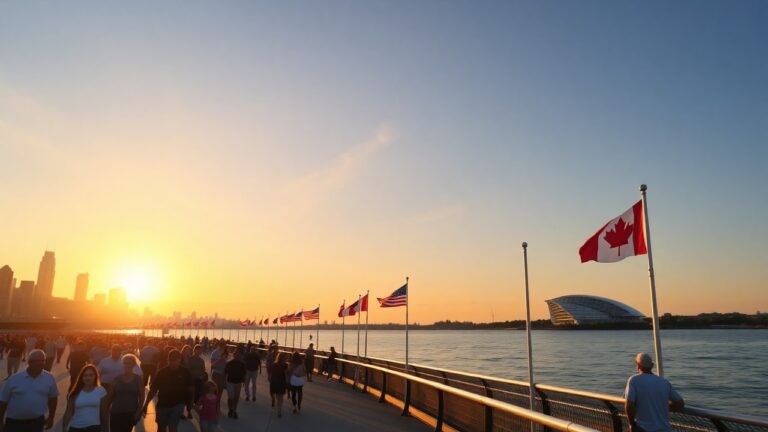
The film’s release arrives amid ongoing local conversation about integration, immigration, and how neighborhoods change as new residents move in and existing residents adapt. In Detroit, where cultural identity is often discussed through the lens of history and neighborhood transformation, Namou’s approach is more intimate: she focuses on how everyday moments—meal preparation, holiday traditions, school drop-offs, and strained conversations at home—can either bridge gaps or widen them.
Main Section
“Pomegranate film” centers on a family caught between old-world routines and the pressure to assimilate quickly. Without turning stereotypes into plot points, Namou uses the sensory specificity of food and domestic life—especially fruit, spices, and shared tables—to show what can be lost when cultures are forced to compress into “fits” and “doesn’t fit.”
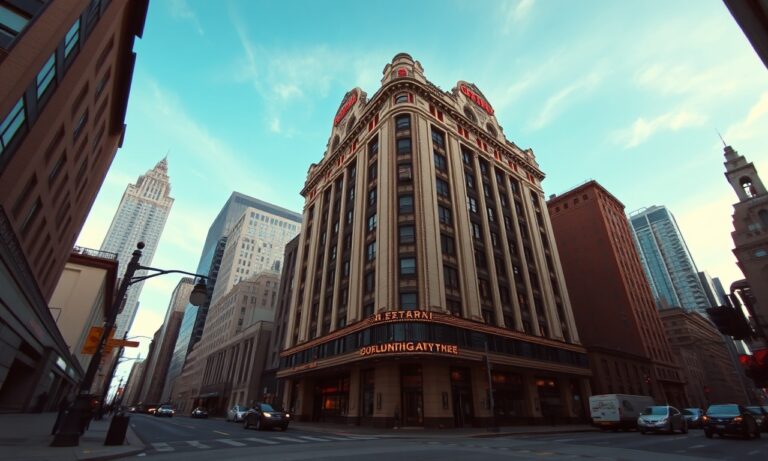
For viewers, the Detroit-set story reads as both local and universal. The city’s layout—block-to-block variability, shifting commercial corridors, and distance between community hubs—becomes more than backdrop. It affects how characters move through the day, who they encounter, and how often they feel seen.
Namou said the film was designed to avoid a single-direction narrative in which one culture “teaches” another. “The point isn’t that someone is wrong,” she said. “It’s that people have different frames. The film asks what happens when those frames meet.”
That emphasis on meeting frames is also reflected in the film’s tone. Dialogue and silence carry as much weight as plot turns, and scenes repeatedly return to the emotional work of translation—spoken language, cultural meaning, and nonverbal cues that can be misread.
Impact on Detroit Residents
The release of a Detroit-set story about cultural divide matters locally not only as entertainment, but as representation and conversation. Community members who see themselves in the film’s dilemmas may find validation; others may recognize how quickly misunderstandings can become entrenched.
According to data from the U.S. Census Bureau, Detroit has a complex and changing demographic landscape shaped by immigration, regional migration, and evolving household patterns. The agency’s ACS (American Community Survey) estimates show that the city’s population includes residents who identify with a range of racial and ethnic backgrounds, with neighborhoods often reflecting distinct community networks.
In practice, those demographic realities show up in everyday life: school classrooms that include students who are learning English while managing family expectations; workplaces where professional norms vary by culture; and social spaces where holidays and traditions can become either invitations or sources of tension.
“Films can make private experiences legible to people who haven’t lived them,” said Dr. Maya Brown, a media scholar who studies narrative and representation at Wayne State University. “When the setting is Detroit, the work also participates in local cultural memory—showing how families contend with both intimacy and public change.”
Brown added that representation isn’t just about casting or language—it’s about the emotional logic of the story. “The best cultural-bridge stories don’t simplify conflict. They show how misunderstanding feels in the body,” she said.
Background & Data
Detroit’s creative sector has long relied on local talent while seeking more consistent pathways to funding and distribution. Local and state arts support programs—along with partnerships between filmmakers and community organizations—have helped keep production viable, even when budgets are tight.
According to information shared by the Michigan Council for Arts and Cultural Affairs, arts funding and programming in Michigan support everything from school arts initiatives to professional exhibitions and performances. While not specific to any one film project, the council’s role illustrates how arts infrastructure can influence who gets to tell stories—and how those stories reach audiences.
In that context, Weam Namou positions Pomegranate film as a Detroit story with international resonance. The filmmaker’s decision to foreground cultural divide themes—rather than treating them as an afterthought—places Detroit’s immigrant and diaspora experiences within a broader cinematic conversation.
Detroit also offers a distinctive storytelling environment: the city’s history of industrial change, economic restructuring, and neighborhood-level transformation has created a population accustomed to navigating change. That history can make a film about bridging cultures feel especially grounded, because Detroit audiences often have multiple ways of reading identity—personal, communal, and historical.
What Happens Next
Namou said she plans to connect the film to Detroit audiences through screenings and discussions that encourage viewers to talk about translation, tradition, and the emotional cost of misunderstanding. While final dates may vary by venue, the intent is to keep the film’s conversation anchored locally.
For viewers, the next step is less about a single viewing and more about sustained dialogue. Community organizations that support newcomers, language learning, and cross-cultural programming may find in the film a tool for engagement—something that can spark questions in a classroom, a neighborhood event, or a family gathering.
As Detroit continues to experience demographic shifts and ongoing debates about neighborhood identity, stories like Detroit film projects can serve as a bridge between lived experience and public understanding. The core challenge Namou highlights—how people interpret one another across cultural differences—remains present whether you are new to a neighborhood or trying to maintain a family tradition in changing circumstances.
“Pomegranate” ultimately suggests that cultural divides are not resolved by one conversation, one holiday, or one revelation. They’re navigated through repeated choices: patience, curiosity, and the willingness to ask what something means before assuming you already know.
Local Screening and Community Note
Residents interested in seeing Pomegranate film and learning more about the director’s process are encouraged to watch for announcements from Detroit-area venues and film partners. As with many independent releases, dates can depend on festival schedules and distribution windows, but Namou’s stated focus remains consistent: keeping the conversation connected to Detroit.