The landscape of Detroit homes for sale is undergoing a significant transformation as the city enters the second quarter of the year. Recent data indicates a shift in the local housing market, characterized by a gradual increase in median home prices and a tightening of inventory in desirable historic districts. While Detroit remains one of the most affordable metropolitan areas in the United States, the window for purchasing undervalued properties appears to be narrowing as development spreads outward from the city center.
Current Market Trends and Inventory Data
According to recent figures released by local real estate boards and data aggregators like Realcomp, the median sales price for residential properties in the city has seen a year-over-year increase. Analysts attribute this rise to a combination of factors, including the renovation of previously blighted properties and a sustained interest from out-of-state investors.
For buyers looking for Detroit homes for sale, the inventory mix is changing. The days of widespread bulk foreclosure listings are receding, replaced by a higher volume of renovated turnkey properties and “as-is” rehab opportunities that require significant capital investment. Real estate professionals note that while the total number of listings has fluctuated, the quality of the housing stock available on the Multiple Listing Service (MLS) has improved.
“We are seeing a stabilization in appraisal values,” said a representative from a local housing advocacy group during a recent community town hall. “This is crucial for financing. For years, the gap between the cost to renovate and the appraised value prevented traditional mortgages. Now, we are seeing that gap close in neighborhoods like Bagley and the University District.”
The Role of the Land Bank Authority
A unique driver of the market remains the Detroit Land Bank Authority (DLBA). The DLBA continues to release properties through its auction and Own It Now programs, feeding a steady stream of fixer-uppers into the ecosystem of Detroit homes for sale.
However, the strategy has shifted. The city is focusing more on bundling properties for development in specific zones to create density and neighborhood cohesion, rather than the scattershot approach of the past. This strategy aims to boost property values for existing homeowners by reducing the number of vacant structures on a given block.
Neighborhood Specifics: Where Activity is Highest
The demand for housing varies drastically by zip code. In areas like Corktown and Midtown, prices rival those of suburban enclaves, driven by proximity to new developments such as the Michigan Central Station innovation hub. Conversely, neighborhoods on the east side and far west side offer different opportunities.
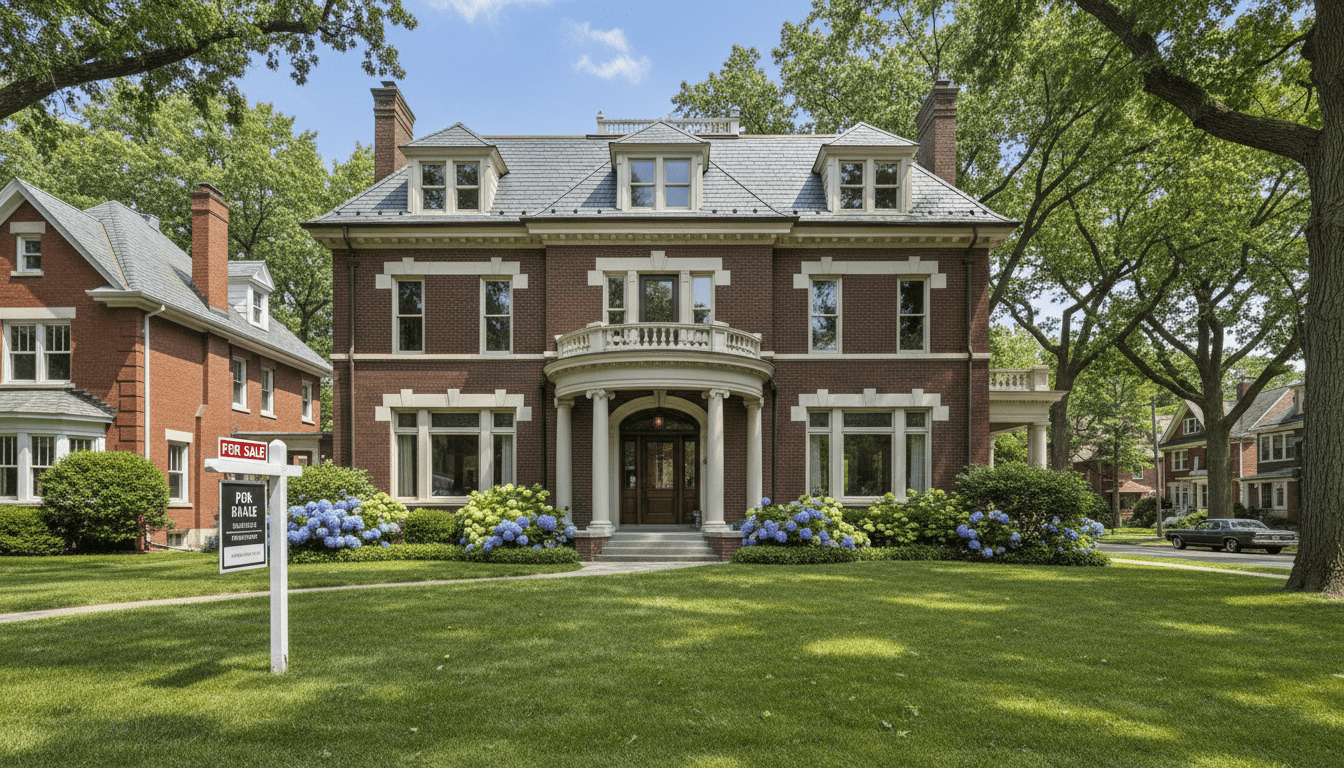
For prospective buyers, navigating Detroit’s historic districts has become a priority. Areas like Boston-Edison and Indian Village maintain high demand due to their architectural significance. Meanwhile, neighborhoods like Fitzgerald and Livernois-McNichols are seeing increased activity due to city-led streetscape improvements and commercial corridor revitalization.
Impact on Detroit Residents and Affordability
The rising cost of Detroit homes for sale presents a complex scenario for long-term residents. On one hand, increasing property values build generational wealth for those who held onto their homes through the city’s bankruptcy era. Homeowners are finally seeing equity that can be leveraged for home repairs or education.
On the other hand, there are concerns regarding affordability for first-time buyers currently renting in the city. As investors purchase lower-priced homes with cash offers, traditional buyers relying on FHA or conventional financing often find themselves outbid.
Local housing counselors advise that residents utilize down payment assistance programs available through the city and state. “The challenge isn’t just the purchase price; it is the competition,” explained a local loan officer. “Detroit residents need to be pre-approved and ready to move quickly when a viable property hits the market.”
Furthermore, property tax assessments are catching up to these new sales prices. While the city has implemented measures to ensure fair assessments, residents must remain vigilant about their property tax status, a topic frequently covered in our Detroit economic analysis reports.
Economic Context and Interest Rates
Broader economic factors are also influencing the market. Federal interest rate adjustments have cooled the frenzy seen in previous years, leading to a more normalized pace of sales. This cooling effect allows local buyers slightly more time to conduct inspections and secure financing, a luxury that was nonexistent during the peak of the post-pandemic housing boom.
Construction costs remain a hurdle. Even if a home is purchased cheaply, the cost of labor and materials for renovation has skyrocketed. This dynamic keeps the final price of turnkey Detroit homes for sale higher, as developers must pass these costs onto the consumer to maintain margins.
What Happens Next?
Looking ahead, industry experts predict a steady but moderate appreciation in home values throughout the remainder of the year. The focus is expected to shift heavily toward the “middle neighborhoods”—areas that are stable but have not yet seen the explosive growth of the greater downtown area.
For the city’s housing market to remain healthy, experts suggest that inventory levels must increase to meet the demand of workforce housing. The development of infill housing on vacant lots is anticipated to play a larger role in the coming years, offering new construction options alongside the city’s historic housing stock.