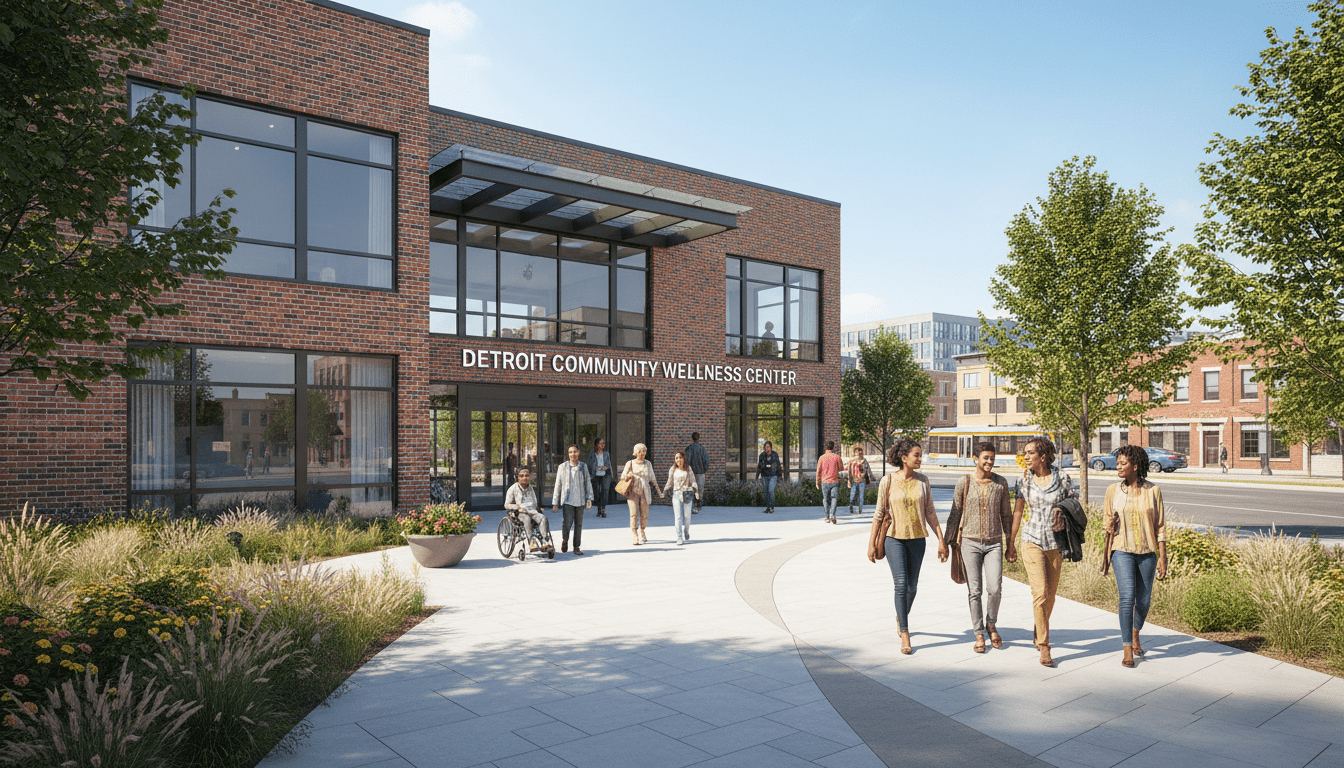
Access to quality medical care remains one of the most pressing topics in the Motor City, as residents, city officials, and medical providers navigate a shifting landscape of insurance coverage and safety-net options. For thousands of Detroiters, finding affordable healthcare in Detroit is not just a budgetary concern but a vital necessity for managing chronic conditions and maintaining overall well-being. Despite significant strides made through state-level expansion programs, gaps remain that local organizations are working tirelessly to fill.
As the city continues its economic revitalization, the health sector faces the dual challenge of addressing historic disparities while adapting to post-pandemic policy changes. From Federally Qualified Health Centers (FQHCs) to state-sponsored insurance programs, the infrastructure supporting Detroit’s health is complex, relying on a patchwork of federal, state, and local funding to keep doors open for the city’s most vulnerable populations.
The Safety Net: Clinics and Sliding Scales
At the heart of the effort to provide affordable healthcare in Detroit are the city’s community health centers. These facilities, often designated as FQHCs, are required to serve populations regardless of their ability to pay. They operate on a sliding fee scale based on income and family size, ensuring that even uninsured residents can access primary care, dental services, and behavioral health support.
According to the Michigan Department of Health and Human Services (MDHHS), these centers are pivotal in urban areas where the ratio of private practice physicians to residents is low. Organizations such as the Institute for Population Health and Covenant Community Care have become cornerstones in neighborhoods where traditional hospital access may be limited or cost-prohibitive.
“The community health center model is designed specifically for cities like Detroit,” a spokesperson for a local health advocacy group stated in a recent public forum. “They bridge the gap between emergency room reliance and consistent, preventative primary care.” This shift from reactive to proactive care is essential for reducing long-term costs and improving life expectancy rates across the city.
Impact on Detroit Residents
The availability of these resources directly impacts the daily lives of Detroiters. For many residents, the choice often comes down to paying for medication or paying for utilities. The existence of sliding-scale clinics means that a diagnosis of diabetes or hypertension—conditions prevalent in the city—does not have to result in financial ruin.
However, access is about more than just cost; it is also about proximity and trust. Transportation remains a barrier for many. Local reporting indicates that when clinics are embedded within neighborhoods, utilization rates increase. Residents are more likely to seek help for minor ailments before they escalate into emergencies if the provider is within walking distance or on a direct bus line.
Furthermore, the cultural competence of care providers in Detroit is a major factor. Community health workers, who often live in the neighborhoods they serve, act as liaisons between the medical system and residents. This peer-to-peer approach helps demystify the healthcare system and encourages residents to take advantage of community health initiatives that offer free screenings and vaccinations.
Medicaid and the ‘Unwinding’ Effect
A significant portion of affordable healthcare in Detroit is underwritten by the Healthy Michigan Plan, the state’s Medicaid expansion program. Since its implementation, the uninsured rate in Detroit has dropped significantly. However, recent federal changes have introduced new hurdles.
Following the end of the COVID-19 public health emergency, states began the process of “unwinding” continuous Medicaid enrollment. This meant that thousands of Detroiters were required to re-verify their eligibility to keep their coverage. While the City of Detroit and the Detroit Health Department launched aggressive information campaigns to encourage residents to update their paperwork, confusion remains.
According to data from the state, thousands of Michiganders have been disenrolled for procedural reasons—meaning they may still be eligible but missed a deadline or failed to return a form. For Detroit residents, this administrative churn threatens to interrupt treatments for ongoing conditions. Local non-profits have since pivoted their operations to assist residents specifically with the redetermination process, viewing insurance retention as a critical component of public health.
Background & Data on Health Disparities
To understand the urgency of affordable healthcare in Detroit, one must look at the data. Statistics from the U.S. Census Bureau and local health assessments paint a clear picture of the disparities the city faces compared to the surrounding suburbs.
- Uninsured Rates: While improved, Detroit’s uninsured rate historically hovers above the state average.
- Chronic Disease: Detroit residents experience higher rates of asthma, diabetes, and heart disease than the Michigan average.
- Life Expectancy: There is a documented gap in life expectancy between Detroit and its wealthier neighbors, a gap that public health officials attribute largely to social determinants of health and access to quality care.
Data from the City of Detroit Health Department highlights that preventative care is the primary variable in closing these gaps. When residents have access to a primary care physician, hospital readmission rates drop. This data underscores why the preservation of affordable options is not merely a social service but an economic imperative for the region. A healthier workforce contributes more effectively to the local economy and reduces the strain on emergency services.
What Happens Next?
Looking ahead, the landscape of healthcare in the city is evolving. There is a concerted push to integrate mental health services into primary care settings, recognizing that physical and behavioral health are inextricably linked. Additionally, hospital systems are increasingly collaborating with community organizations to address housing and food insecurity, recognizing these as foundational elements of health.
Local government officials have indicated that future funding priorities will likely focus on mobile health units and telehealth expansion to reach residents who cannot physically travel to clinics. For more information on city services, residents can check our guide to local government resources.
While the challenges are substantial, the network of providers committed to maintaining affordable healthcare in Detroit continues to adapt. The focus for the coming year will likely remain on stabilizing insurance coverage rates following the Medicaid unwinding and expanding the capacity of the safety-net clinics that serve as the first line of defense for the city’s health.