In the heart of downtown Detroit, the architectural ghosts of the city’s entertainment past are beginning to stir. For decades, several of the city’s most opulent venues stood vacant, their ornate plasterwork crumbling and their marquees dark. However, a wave of new development projects is targeting historic Detroit theaters, aiming to reintegrate these cultural landmarks into the modern fabric of the city. From the long-awaited plans for the National Theatre to the adaptive reuse of the United Artists Building, revitalization efforts are moving beyond simple preservation to become key drivers of economic and social growth.
As developers and city officials collaborate on these massive undertakings, the focus has shifted from merely saving structures to creating functional spaces that serve the community. These projects represent a critical intersection of heritage conservation and urban planning, signaling a new chapter for the city’s entertainment district.
The National Theatre: A Facade for the Future
One of the most significant focal points of the current revitalization wave is the National Theatre on Monroe Street. Designed by the legendary architect Albert Kahn and opened in 1911, it is the only theatre known to have been designed by Kahn. For years, the building sat in a state of disrepair, a stark contrast to the lively activity of nearby Greektown.
Recent plans put forth by the partnership between Olympia Development of Michigan and The Related Companies—part of the broader “The District Detroit” initiative—have proposed a unique future for the venue. Rather than a full restoration of the interior auditorium, which has suffered severe structural degradation, the proposal involves preserving the historic façade and integrating it into a modern high-rise development.
According to documents filed with the City of Detroit Planning and Development Department, this approach allows the city to retain the visual identity of the streetscape while accommodating necessary density. While preservationists have debated the merits of saving only the “skin” of the building, developers argue that this adaptive reuse is the most viable path to ensure the National remains a part of Detroit’s visual history.
From Screen to Skyline: The United Artists Building
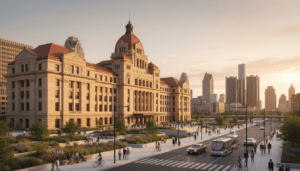
While the National Theatre project is still taking shape, other historic Detroit theaters have already crossed the finish line of transformation. A prime example is the United Artists Building on Bagley Street. Once a grand movie palace designed by C. Howard Crane, the building sat vacant for decades, becoming a symbol of blight before its recent resurrection.
The 18-story structure has been converted into the Residences at the United Artists, a project that repurposed the office tower attached to the theater into 148 residential units. While the theatre auditorium itself faced challenges that prevented a return to its original use, the revitalization of the attached tower has brought hundreds of residents back to a corner of the city that had been quiet for too long.
Local real estate analysts note that projects like these are essential for the city’s goal of increasing downtown residential density. By leveraging the tax credits available for historic preservation, developers can make the math work on complex renovations that might otherwise be cost-prohibitive.
Impact on Detroit Residents
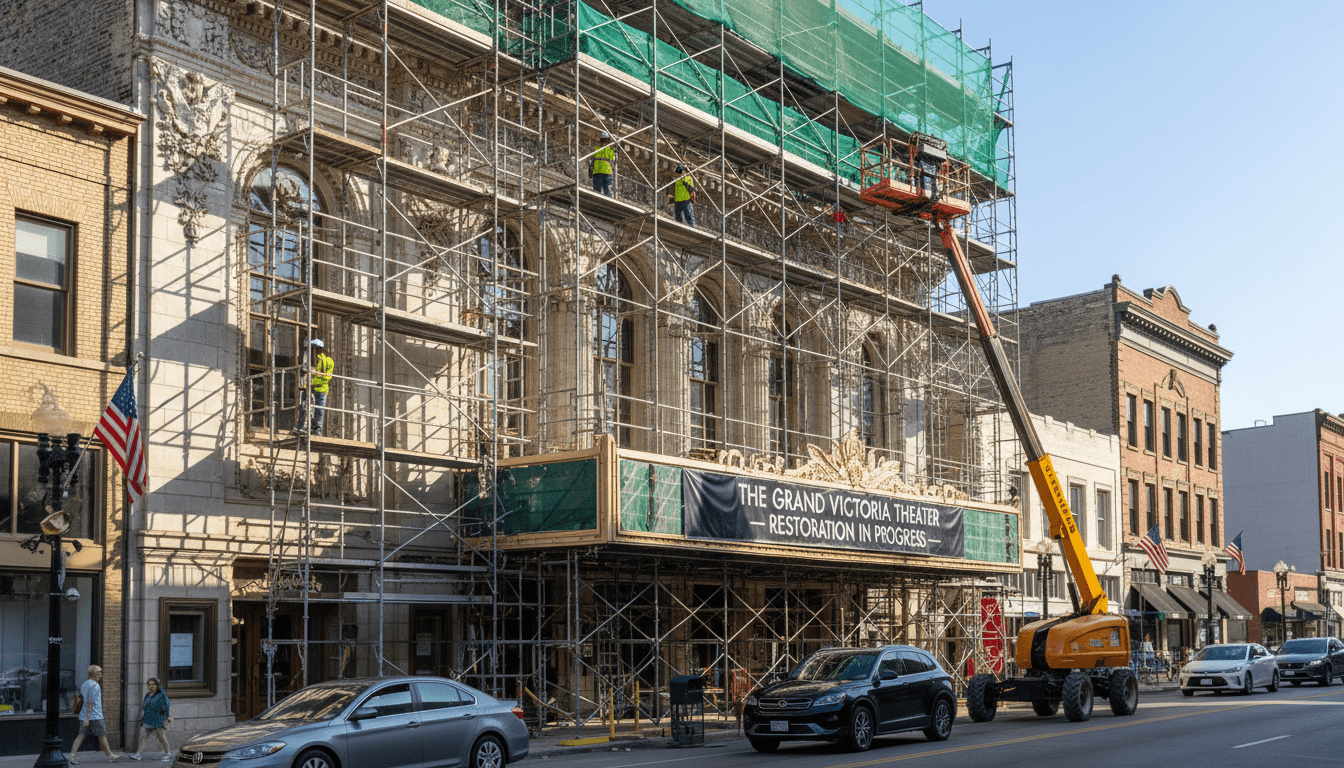
The restoration of these venues extends beyond aesthetics; it has a tangible economic impact on local residents. Construction on these sites creates hundreds of temporary trade jobs, while the finished developments bring permanent positions in property management, security, and hospitality.
Furthermore, the revitalization of historic Detroit theaters acts as a catalyst for surrounding businesses. When a landmark building is restored, it typically increases foot traffic, which benefits nearby restaurants and retail shops. For long-time Detroiters, seeing these buildings restored is also a matter of civic pride.
“It changes the energy of the block,” said a representative from a local neighborhood association during a recent community meeting regarding downtown development. “When you take the boards off the windows and turn the lights back on, it makes the street feel safer and more welcoming for everyone.”
However, the community impact is not without its complexities. As property values rise in the vicinity of these restored landmarks, housing advocates have emphasized the need for affordable units within these new developments. In the case of the United Artists project, a portion of the units was designated as affordable housing, a requirement that the city has increasingly tied to tax incentives for major developments.
For more on how construction impacts housing availability, read our coverage on downtown residential growth trends.
Background & Data: The Economics of Preservation
Detroit possesses one of the richest collections of early 20th-century theater architecture in the United States. According to data from Historic Detroit, the city was once home to dozens of movie palaces, many of which were concentrated in the Grand Circus Park area.
The economic model for saving these buildings often relies heavily on the Federal Historic Preservation Tax Incentives program. This program encourages private sector investment in the rehabilitation and re-use of historic buildings. Without these credits, the cost of abating hazardous materials and upgrading century-old infrastructure to modern code would often exceed the value of the finished building.
In recent years, the success of the Fox Theatre—restored in 1988 and now the highest-grossing theatre of its size in the nation—has served as the proof of concept. The Fox anchors the entertainment district, proving that large-scale restoration can drive decades of revenue. Current developers are looking to replicate this success, albeit often through mixed-use models rather than strict entertainment venues.
For additional context on the funding mechanisms driving these changes, see our report on tax incentives and local development.
What Happens Next
The pipeline for theater revitalization remains active. The future of the National Theatre depends on the finalization of the “District Detroit” timeline, which has seen adjustments due to shifting market conditions. Meanwhile, smaller venues in neighborhoods outside the downtown core are also drawing attention, as community groups look for ways to salvage local cultural hubs.
City officials have indicated that they will continue to prioritize adaptive reuse over demolition whenever possible. As the demand for downtown living space stabilizes, the integration of historic Detroit theaters into residential and commercial projects is likely to continue. The challenge remains balancing the high costs of restoration with the need for inclusive, accessible development that benefits all Detroiters.