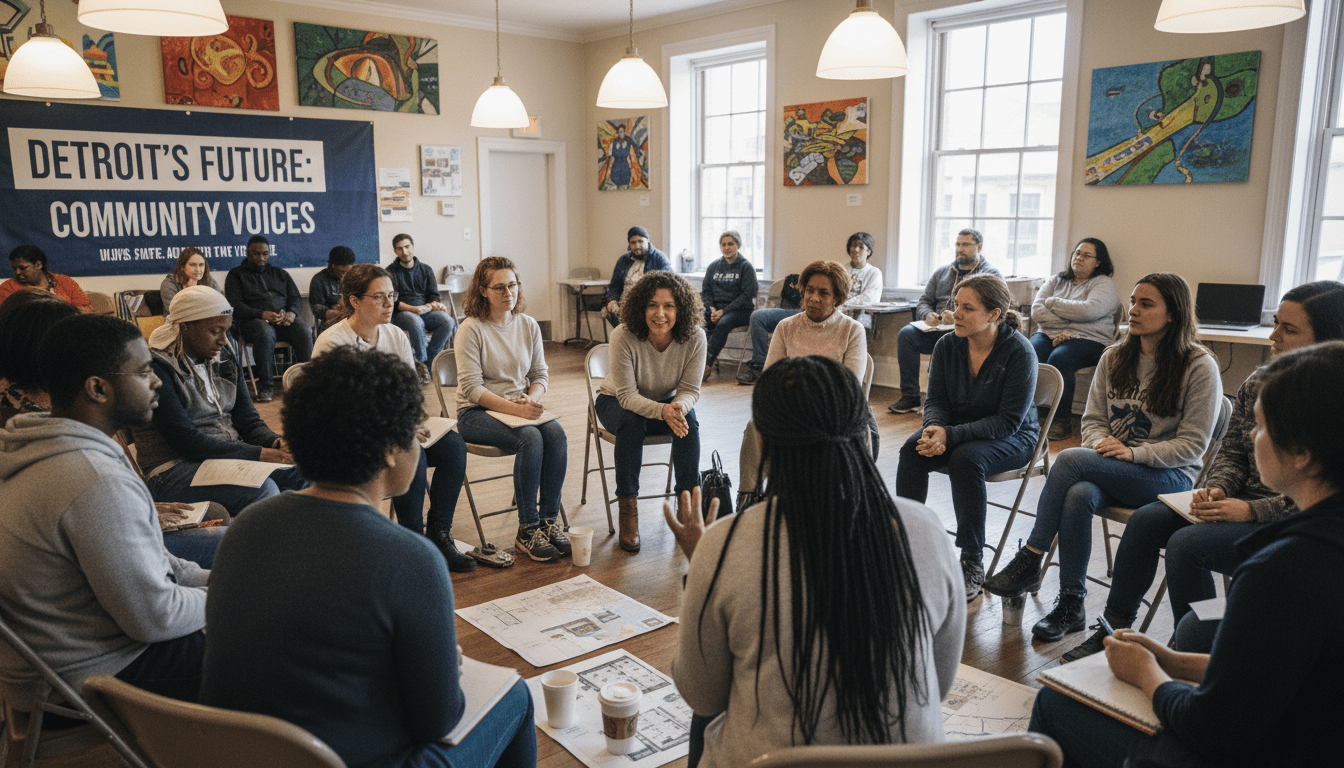
In community centers across Detroit, the atmosphere of public meetings is undergoing a subtle but significant transformation. For decades, city planning discussions were often characterized by contentious town halls, where residents shouted concerns at officials who stood behind podiums, armed with PowerPoint presentations. However, a new approach is taking root within the City of Detroit’s Department of Neighborhoods and various community advocacy groups. By moving beyond the basics of standard public comment periods, local leaders are adopting sophisticated active listening strategies to bridge the historical trust gap between city government and residents.
This shift represents a fundamental change in how the city approaches the revitalization of its neighborhoods. Rather than viewing community engagement as a box to be checked, planners and district managers are employing conflict resolution techniques rooted in deep, active listening—a method designed to uncover the root causes of resident anxiety regarding gentrification, displacement, and resource allocation.
Beyond the Basics: A New Framework for Civic Dialogue
The concept of active listening is often relegated to corporate training seminars or personal therapy, but in the context of Detroit’s rapid development, it has become a necessary tool for governance. According to guidelines from the City of Detroit Department of Neighborhoods, effective engagement requires more than just recording complaints; it necessitates a validation of the lived experiences of residents.
“The old model was transactional. Residents spoke, we wrote it down, and often, they felt nothing changed,” explained a representative from a local community mediation nonprofit working in District 6. “The new approach, which takes active listening beyond the basics, involves reflective inquiry. When a resident expresses anger about a new luxury development, facilitators are trained not to defend the project immediately, but to mirror back the emotion and the underlying fear of erasure. Only then can productive dialogue begin.”
This methodology is currently being tested in smaller focus groups regarding the Strategic Neighborhood Fund (SNF) initiatives. Instead of large auditoriums, meetings are increasingly broken into small circles where eye contact is mandatory and distractions are minimized. Facilitators use summarization techniques to ensure that the speaker feels understood before the conversation advances to solutions. This creates a psychological safety net that allows for more honest, albeit difficult, conversations about the city’s future.
Impact on Detroit Residents
For longtime Detroiters, this change in tone impacts how they interact with their changing environment. In neighborhoods like Islandview and Corktown, where development pressure is highest, residents have historically felt steamrolled by rapid changes. The implementation of active listening strategies in Community Benefits Ordinance (CBO) meetings aims to alter this dynamic.
When residents feel that their specific concerns—such as traffic patterns, affordable housing set-asides, or the preservation of local history—are actively heard and reiterated by decision-makers, the adversarial nature of development softens. Local business owners in the Livernois-McNichols corridor have noted that recent streetscape improvements reflected specific feedback regarding parking and lighting that might have been ignored in a less interactive process.
“It feels different when a city planner looks you in the eye and repeats your concern back to you to make sure they got it right,” said a resident involved in the Fitzgerald neighborhood revitalization efforts. “It doesn’t mean we always agree, but it means I’m not just talking to a wall. That respect changes the temperature in the room.”
The Role of Non-Verbal Communication
A critical component of this revisited approach is non-verbal communication. In high-tension community meetings, body language often speaks louder than policy details. Facilitators are now trained to maintain open posture and manage their own defensive reactions when criticized. This “somatic listening” helps de-escalate situations that previously would have resulted in walkouts or shouting matches, allowing for the continuation of necessary civic business.
Background & Data: The Cost of Ignoring Residents
The pivot toward high-level active listening is supported by data regarding urban planning outcomes. Research from the University of Michigan’s urban planning sector suggests that participatory planning processes, where citizens feel high levels of agency and validation, result in more sustainable long-term developments. Conversely, projects that ignore the “emotional geography” of a neighborhood often face delays, vandalism, or lack of community utilization upon completion.
Furthermore, data from the Detroit housing market trends indicates that neighborhoods with strong block clubs and cohesive communication channels with the city see more stable property value growth compared to areas with fractured civic relationships. The investment in soft skills like active listening is, effectively, an investment in the economic stability of the city.
A report by the Detroit People’s Platform has frequently highlighted the need for “authentic engagement.” The shift toward active listening attempts to address their long-standing critique that city meetings were often performative. By slowing down the process to ensure understanding—a core tenet of active listening—the city risks longer timelines but gains potentially higher buy-in from the electorate.
What Happens Next?
As Detroit continues to update its Master Plan, the demand for skilled facilitators who can navigate complex emotional landscapes will grow. The city is expected to lean more heavily on partnerships with local conflict resolution centers to moderate discussions on controversial topics like land value taxation and transit expansion.
For the average resident, the expectation is changing. The standard for a “good meeting” is no longer just about the information presented, but about the quality of the listening received. As officials and developers learn to move beyond the basics of public relations and into the realm of genuine empathy, the hope is that Detroit can build a development model that honors its residents as partners rather than obstacles.
For more on how local policies are shaping neighborhood dynamics, read our coverage on new grant opportunities for local entrepreneurs.