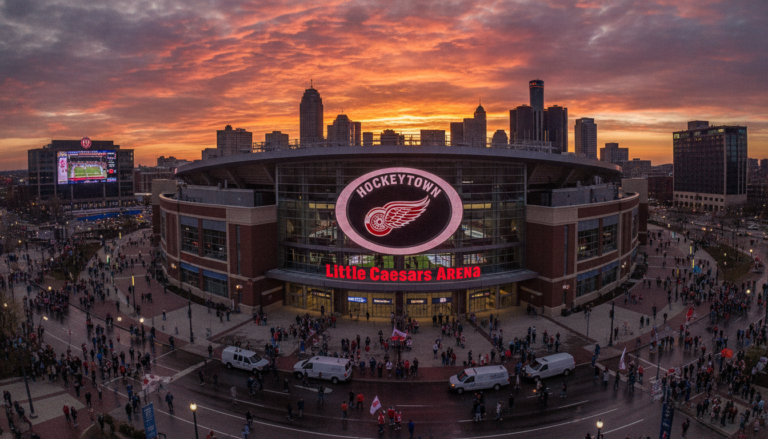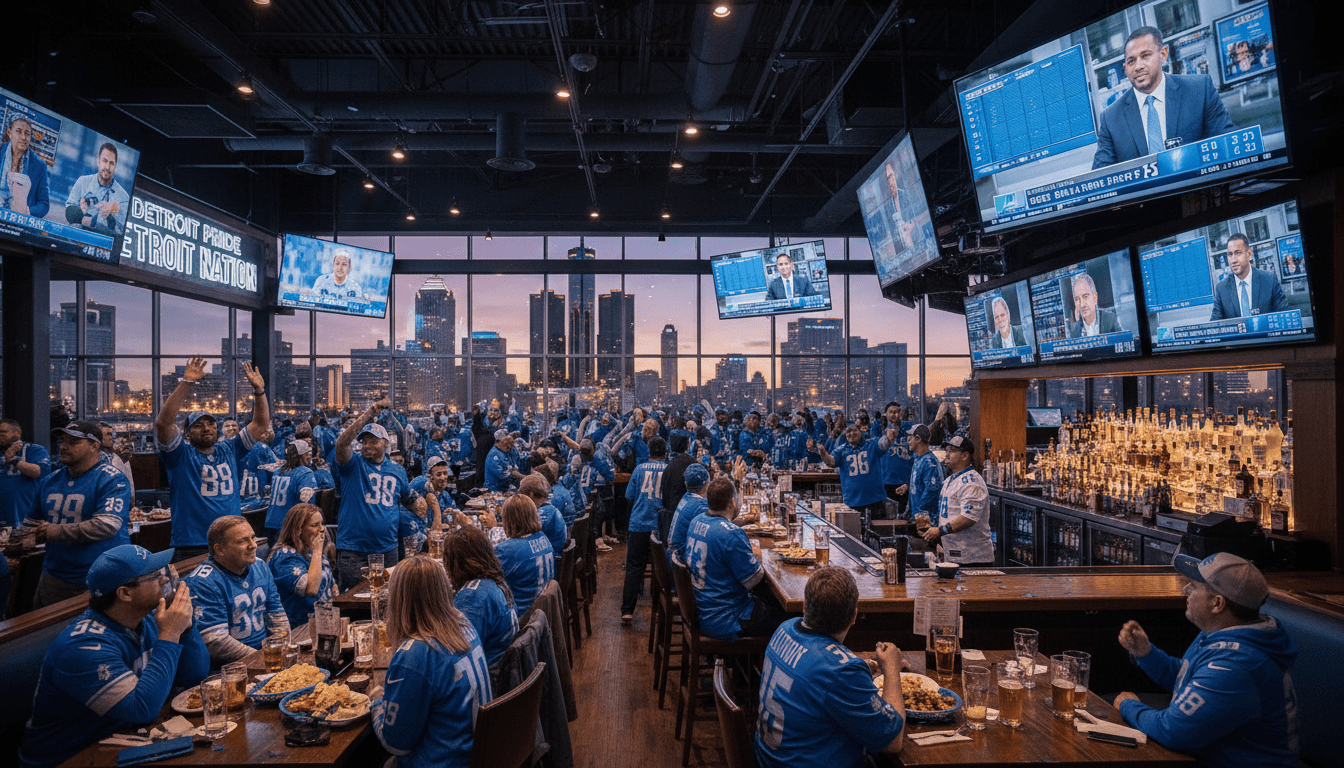
The hospitality landscape in downtown Detroit is undergoing a significant transformation, driven largely by a resurgence in local sports fandom and the city’s increasing profile as a host for major athletic events. For sports bars Detroit residents frequent, the past year has represented more than just a return to pre-pandemic normalcy; it has marked a historic economic boom that is reshaping how local businesses operate and plan for the future.
Following the Detroit Lions’ unprecedented run to the NFC Championship Game earlier this year, and looking ahead to the 2024 NFL Draft scheduled to take place in the heart of the city, local establishment owners report that the definition of game day has evolved. What was once a seasonal Sunday spike in revenue has transformed into a year-round economic driver, influencing hiring trends, real estate usage, and downtown foot traffic patterns.
The Economic Impact of a Winning Season
Data from the Detroit economy sector suggests that the correlation between professional sports success and hospitality revenue is stronger than it has been in decades. According to reports from the Downtown Detroit Partnership, foot traffic in the Central Business District spiked significantly during home playoff games, with spillover effects benefiting businesses far beyond the immediate radius of Ford Field.
For proprietors of sports bars Detroit offers a competitive market, but the influx of fans has lifted the tide for nearly all venues. Local business owners in the Corktown and Greektown districts have stated that revenue on game days during the recent playoff run outpaced even the busiest holidays. This surge is not merely about alcohol sales; it includes substantial increases in food orders and merchandise movement, creating a ripple effect for suppliers and distributors across Wayne County.
“The energy has completely shifted,” said a manager of a prominent sports venue near Grand Circus Park, speaking on the condition of anonymity to discuss financial trends. “We used to plan our staffing around a few key dates. Now, the demand requires us to operate at peak capacity significantly more often. It is a challenge, but a welcome one for the industry.”
Preparing for the Global Stage: The NFL Draft
While the recent NFL season provided a short-term boost, the looming 2024 NFL Draft presents a different logistical challenge and opportunity. City officials and the Detroit Metro Convention & Visitors Bureau estimate that hundreds of thousands of visitors will descend upon the city in April. This event is expected to test the capacity and readiness of the local service industry.
Many sports bars Detroit locals rely on are currently undergoing renovations or expanding their seating capacities to accommodate the anticipated crowds. The preparation goes beyond physical upgrades; there is a concerted effort to ramp up hiring. The hospitality sector, which struggled with labor shortages following the pandemic, is now aggressively recruiting to ensure adequate staffing levels for the multi-day event.
According to the Detroit Regional Chamber, hosting national events serves as a catalyst for long-term growth. The exposure provided by the Draft is expected to convert first-time visitors into repeat tourists, potentially solidifying Detroit’s reputation as a premier sports tourism destination in the Midwest.
Impact on Detroit Residents
For the average Detroiter, the booming business of sports hospitality brings mixed results. On one hand, the economic influx supports tax revenues and job creation. The demand for service staff has led to wage increases in some establishments as business owners compete for experienced talent. Furthermore, the vibrancy of the downtown core contributes to a safer, more active street life, which benefits Detroit neighborhoods adjacent to the city center.
However, residents also face the realities of a high-demand market. Longer wait times, increased prices for parking, and crowded venues are becoming the new norm during event weekends. Community leaders have emphasized the importance of balancing tourism growth with accessibility for locals.
“It is vital that as downtown grows, it remains accessible to the people who live here year-round,” noted a community organizer during a recent town hall on downtown development. “We want our local businesses to thrive, but we also want to ensure that Detroiters can enjoy their own city without being priced out by event-based inflation.”
Background and Industry Trends
The resurgence of the sports bar scene is not isolated to Detroit; it reflects a national trend where consumers prioritize “experiential dining.” However, Detroit’s specific context makes the recovery unique. Unlike cities that rely heavily on business travel, Detroit’s hospitality recovery has been largely fueled by regional leisure travel and suburban residents returning to the city center for entertainment.
Statistics from open-source dining data indicate that reservation bookings in downtown Detroit have steadily climbed over the last 18 months, aligning with the Detroit Lions’ upward trajectory. This suggests that the “fair-weather fan” phenomenon has tangible economic implications. When the local teams perform well, the sports bars Detroit hosts see immediate financial dividends.
Infrastructure and Transportation
To support this growth, the city has had to address infrastructure concerns. The QLINE and the People Mover have seen adjusted schedules to accommodate game-day crowds, a move welcomed by bar owners who previously cited parking limitations as a barrier to entry for suburban patrons. Improved public transit options allow fans to visit multiple establishments, spreading the economic benefit across a wider geographic area rather than concentrating it solely around the stadiums.
What Happens Next
As the NFL Draft approaches, the eyes of the sporting world will be on Detroit. For the owners and operators of local sports bars, the next few months represent a critical window to capitalize on the city’s momentum. Success during this period could stabilize the industry for years to come, allowing businesses to build up cash reserves and invest in further improvements.
Beyond the Draft, the long-term viability of this boom depends on sustained performance from local sports franchises and the continued perception of downtown Detroit as a safe, vibrant entertainment district. If the current trends hold, the ecosystem of sports bars Detroit has cultivated could become a cornerstone of the city’s post-pandemic economic identity.
Visit the Visit Detroit official website for more information on upcoming events and designated hospitality zones during the NFL Draft.