As mid-February approaches, the search for Valentine’s Day ideas Detroit residents can enjoy is driving a significant surge in economic activity across the city’s hospitality sector. From historic venues in Midtown to the revitalized riverfront, local restauranteurs and event organizers are reporting reservation numbers that rival pre-pandemic levels, signaling a robust appetite for celebration despite broader national economic uncertainties.
Data from the Michigan Restaurant & Lodging Association suggests that dining out remains a priority for consumers during special occasions, with Valentine’s Day consistently ranking as the second-busiest day of the year for the industry. In Detroit, this trend is manifesting not just in traditional dinner bookings, but in a growing demand for experiential entertainment, shifting the landscape of how the holiday is celebrated in the Motor City.
Dining Demand Outpaces Previous Years
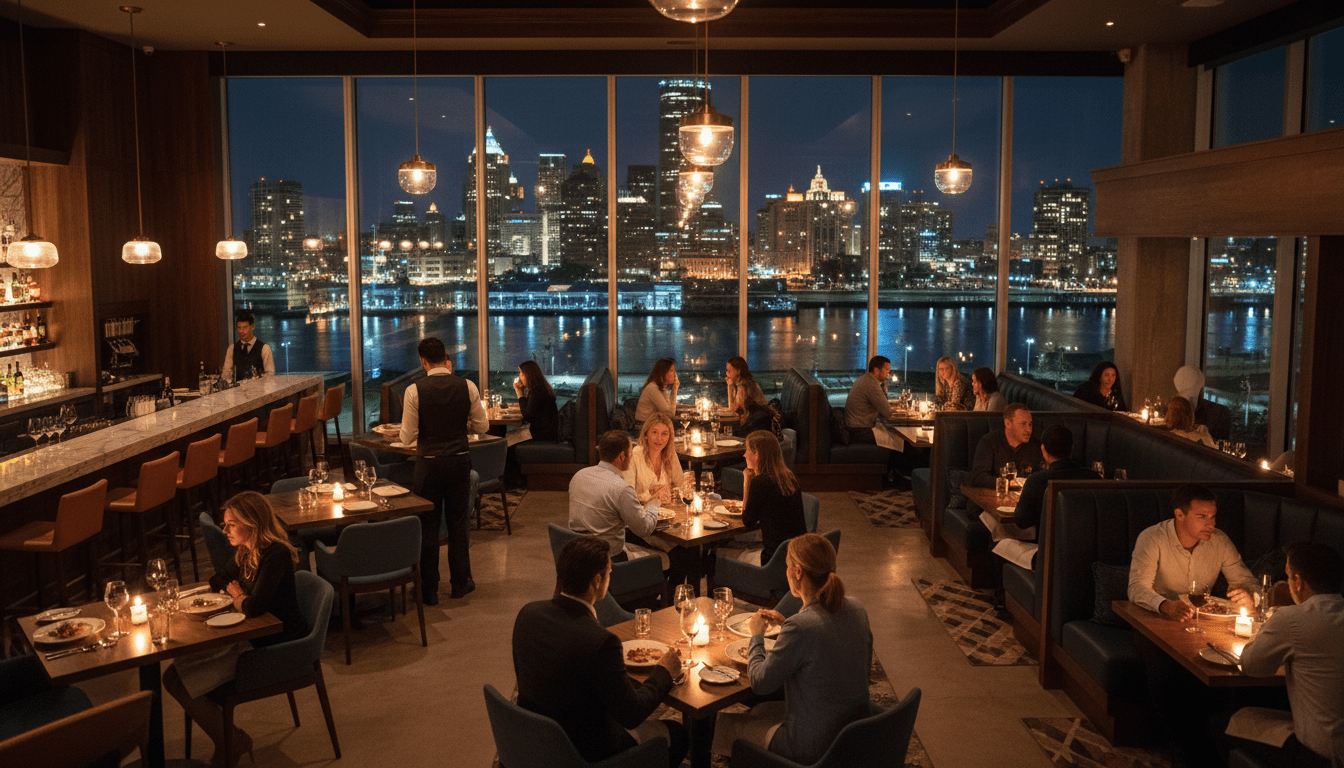
For many local establishments, the holiday provides a critical revenue boost during the traditionally slower winter months. Major booking platforms indicate that prime-time reservations at top-tier Detroit establishments were claimed weeks in advance. This year, the focus for many diners has shifted toward venues that offer a distinct atmosphere alongside their culinary offerings.
“The demand this year has been exceptional,” said a spokesperson for a prominent hospitality group operating in Corktown. “We are seeing guests book earlier than usual, and there is a definite preference for multi-course tasting menus and curated experiences. People aren’t just looking for a meal; they want an event.”
This observation aligns with national trends reported by the National Restaurant Association, which noted that consumers are increasingly prioritizing value-added experiences. In Detroit, staples like The Whitney continue to anchor the high-end market, drawing couples with its historic architecture and classic service. However, newer entrants in the Central Business District are also seeing rapid uptake, suggesting that the revitalization of downtown dining is continuing to attract suburban residents back into the city center for holiday celebrations.
Shift Toward Experiential Celebrations
While fine dining remains a cornerstone of the holiday, a distinct trend has emerged this year regarding alternative Valentine’s Day ideas Detroit locals are pursuing. Cultural institutions and entertainment venues are seeing increased ticket sales for events that go beyond the dinner plate.
The annual Dirty Show, an international erotic art exhibition held at the Russell Industrial Center, has become a significant cultural staple for the city during February. The event draws thousands of attendees and serves as a prime example of Detroit’s unique, edgy approach to the holiday. By combining art, performance, and social interaction, events like these cater to a demographic seeking unconventional ways to celebrate.
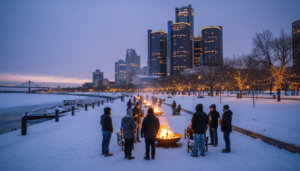
Furthermore, the Downtown Detroit Partnership continues to activate public spaces like Campus Martius Park. The Rink at Campus Martius creates a focal point for downtown activity, driving foot traffic that benefits surrounding businesses. According to reports from the Detroit Regional Chamber, activating these public spaces is crucial for maintaining the economic momentum of the downtown corridor, particularly during the winter season.
“The synergy between public space activation and private business revenue is undeniable,” noted a local urban planning analyst. “When people come downtown to skate or see an art installation, they are far more likely to visit a nearby bar or coffee shop. It creates a complete ecosystem for the holiday.”
Impact on Local Economy and Workforce
The influx of spending associated with Valentine’s Day has a tangible impact on Detroit’s service industry workforce. For servers, bartenders, and kitchen staff, the holiday week represents one of the most lucrative periods of the year. However, it also brings operational challenges, particularly as the industry continues to stabilize its labor force following the disruptions of recent years.
Many restaurants have adapted by implementing deposit systems for reservations or offering pre-paid prix fixe menus to mitigate the risk of last-minute cancellations. This operational shift protects the business’s bottom line while allowing kitchen staff to execute high-volume service with greater precision. For the local economy, the spending multiplier effect is significant. Revenue generated in Detroit restaurants often circulates back into the community through wages and payments to local suppliers.
See also: Detroit Small Business Growth Outpaces National Average in Q1
Neighborhood Specifics: Beyond Downtown
While the downtown core receives much of the attention, neighborhood corridors are also participating in the holiday boom. Areas like the Avenue of Fashion and West Village are cultivating their own distinct Valentine’s Day ideas Detroit residents can appreciate without navigating the congestion of the city center.
Local business associations in these neighborhoods have been active in promoting “shop local” campaigns, encouraging residents to buy flowers, chocolates, and gifts from Detroit-based makers rather than national chains. This localization of spending is a key component of the city’s broader economic development strategy.
For example, independent florists in Eastern Market are preparing for their busiest week of the year. Unlike wire services, these local vendors source much of their product regionally when possible, or through direct relationships that support the local logistics network. The emphasis on “Detroit-made” goods adds a layer of community support to the romantic holiday.
Future Outlook for Seasonal Hospitality
As Detroit continues to develop its reputation as a culinary and cultural destination, the importance of “event” holidays like Valentine’s Day will likely grow. The hospitality industry serves as a barometer for the city’s overall economic health and consumer confidence.
Current indicators suggest that despite inflationary pressures, Detroiters are willing to spend on experiences that foster connection and celebrate the city’s unique character. For restaurant owners and event producers, the takeaway is clear: success in the current market requires innovation, quality, and a deep understanding of the local culture.
As the holiday approaches, the city advises residents to plan ahead. With transportation infrastructure seeing improvements and new parking solutions coming online, accessing these venues is becoming easier, though demand remains the primary constraint. Whether through a high-end meal downtown or a stroll through a neighborhood art gallery, Detroit is proving once again that it can offer world-class experiences for its residents.
See also: New Parking Solutions Ease Congestion for Downtown Events