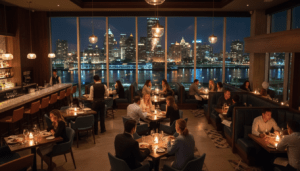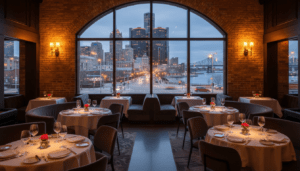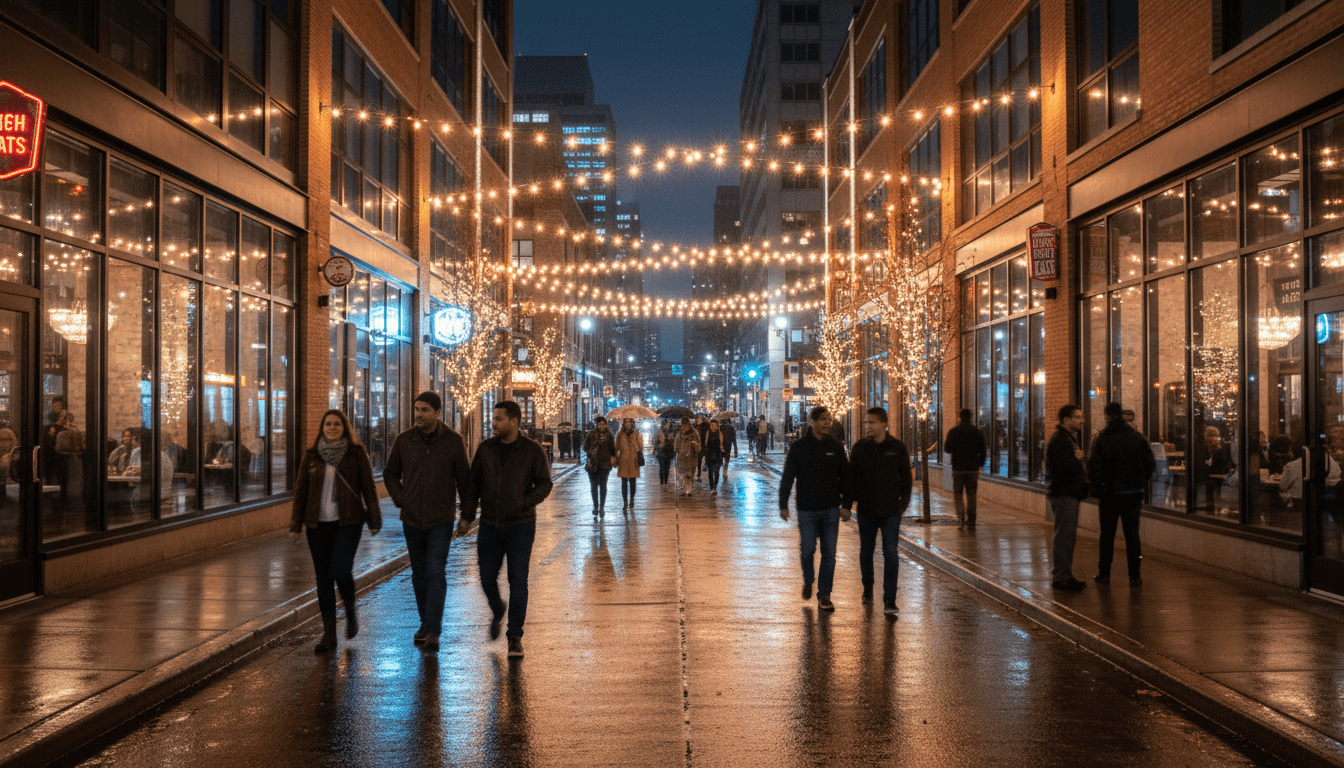
The landscape of evening commerce in Detroit is undergoing a significant transformation, driven by a shift in consumer behavior that prioritizes experiential dining over traditional retail. As the city continues its economic recovery, the concept of date night Detroit style has evolved from a simple dinner service into a complex economic engine that is actively reshaping neighborhoods beyond the immediate downtown core.
According to recent data from the Detroit Economic Growth Corporation (DEGC), the hospitality sector has become a primary driver for foot traffic in emerging districts such as Brush Park, Corktown, and the Milwaukee Junction. This resurgence is not merely about food and beverage sales; it represents a broader trend where evening entertainment anchors mixed-use developments, influencing real estate values and residential density.
The Rise of the Experience Economy
For decades, the standard for a night out in the city revolved around a handful of legacy institutions. However, the post-pandemic recovery period has ushered in a demand for “immersive” social experiences. Local restaurateurs and developers are responding by creating venues that offer more than just a menu, integrating design, art, and entertainment into the dining experience.
Industry analysts point to a shift in spending habits among millennials and Gen Z residents, who are allocating a larger portion of their disposable income to experiences rather than durable goods. In Detroit, this is visible in the proliferation of speakeasy-style bars, jazz lounges, and culinary-focused events that extend the duration of a patron’s visit.
“The expectation for a night out has changed,” said a representative from a prominent Detroit hospitality group operating in the downtown area. “Guests are looking for a narrative and an atmosphere that justifies the trip. It is no longer enough to just serve good food; the environment must be compelling enough to draw people from the suburbs and keep locals engaged.”
Neighborhoods Anchored by Hospitality
The impact of this booming date night Detroit economy is perhaps most visible in the rapid development of Brush Park and the expanding footprint of Corktown. Where vacant lots once dominated, high-density housing projects are now rising, often anchored by ground-floor restaurants and cocktail bars designed to serve as community hubs.
City planners have noted that these establishments create a “halo effect.” When a high-profile venue opens, it signals market viability to other investors, leading to improved street lighting, sidewalk repairs, and increased security patrols. This pattern mirrors successful revitalization efforts seen in other Rust Belt cities, where the service industry acts as a vanguard for broader economic stabilization.
Data from the Detroit Metro Convention & Visitors Bureau suggests that weekend visitation numbers have rebounded significantly, with a marked increase in visitors citing dining and entertainment as their primary reason for entering the city limits. This influx of capital is crucial for the city’s tax base, funding essential services that benefit the wider population.
Impact on Detroit Residents
While the booming nightlife and dining scene brings clear economic benefits, it presents a complex reality for long-time Detroit residents. The influx of high-end establishments has sparked conversations regarding affordability and accessibility.
For many living in the city’s neighborhoods, the new wave of “date night” venues comes with a price point that can be exclusionary. There is a growing tension between the desire for world-class amenities and the need for businesses that serve the existing community’s daily needs. Furthermore, the concentration of nightlife in specific zones has raised concerns regarding parking scarcity and noise levels in residential blocks that were previously quiet.
However, the employment impact is undeniable. The U.S. Bureau of Labor Statistics reports steady growth in Detroit’s leisure and hospitality sector, providing thousands of jobs. Local workforce development programs are increasingly focusing on culinary arts and hospitality management to ensure that Detroiters can access career pathways within this growing industry, rather than just entry-level positions.
Read more about local economic shifts in our report on Detroit Small Business Grants and how they are aiding new restaurateurs.
Infrastructure and Transportation Challenges
As the popularity of a date night Detroit excursion grows, the city’s infrastructure is being tested. The reliance on personal vehicles remains high, leading to congestion in popular districts like the Belt or around Parker’s Alley on Friday and Saturday evenings.
Transportation advocates argue that for the nighttime economy to be sustainable and equitable, it must be supported by reliable public transit. The QLine and the People Mover offer connectivity within the downtown loop, but late-night connectivity to neighborhoods remains a logistical hurdle. City officials have acknowledged the need for improved transit schedules to support both patrons and the hospitality workforce, many of whom finish shifts long after standard bus frequencies have reduced.
See our analysis on Detroit’s Transit Expansion Plans to understand how future routes may alleviate weekend congestion.
Looking Ahead: The Riverfront and Beyond
The trajectory of Detroit’s dining and entertainment scene shows no signs of slowing down. With the ongoing development of the Ralph C. Wilson Jr. Centennial Park and further investments along the Riverfront, the geography of the city’s nightlife is expected to expand toward the water.
Developers are currently eyeing the riverfront district as the next frontier for experiential dining, aiming to create a contiguous zone of activity connecting downtown to the river. If current trends hold, the “date night” economy will continue to be a pivotal metric for tracking the city’s revitalization, serving as a barometer for consumer confidence and neighborhood health.