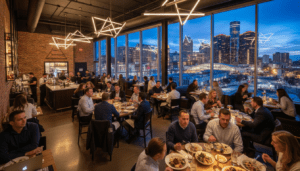
The aroma of freshly roasted beans is becoming as familiar as the hum of the automotive industry in neighborhoods across the city, signaling a shift in how residents interact with their local commercial corridors. Detroit coffee shops, once concentrated primarily in the Midtown and Downtown cores, are increasingly emerging as vital economic anchors in residential neighborhoods from the Avenue of Fashion to Southwest Detroit.
This expansion represents more than just a caffeine fix for locals; it marks a significant trend in urban planning and small business development. According to recent data from the Detroit Economic Growth Corporation (DEGC), food and beverage establishments, including cafes, have been among the primary recipients of small business support programs like Motor City Match. These businesses are transforming vacant storefronts into community hubs, creating what sociologists call “third places”—social environments separate from home and the workplace.
The Economic Impact of Detroit Coffee Shops
The proliferation of independent cafes is playing a measurable role in local economic stability. When a locally owned coffee shop opens in a previously underserved neighborhood, it often serves as a catalyst for further development. Urban planners note that these establishments increase foot traffic, which in turn improves safety and makes adjacent commercial real estate more attractive to other investors.
“Coffee shops act as a signal to the market,” explains urban development analyst Sarah Jenkins. “They indicate that a neighborhood has a density of residents seeking amenities and that there is disposable income in the area. Often, where a roaster or cafe goes, retail and restaurants follow.”
Data from the U.S. Census Bureau regarding business patterns indicates a steady rise in small hospitality businesses in Wayne County over the last five years, despite the challenges posed by the pandemic. For Detroit, this aligns with the city’s “20-minute neighborhood” initiative, which aims to ensure residents can access essential goods and services within a short walk or ride from their homes.
Supported by City Initiatives
The growth of the Detroit coffee shops scene is not entirely organic; it has been nurtured by strategic city programs. The Motor City Match program, managed by the DEGC, has awarded millions in grants to help entrepreneurs secure space and renovate buildings. A significant portion of these awardees have been cafe owners looking to rehabilitate historic structures.
For example, establishments like The Congregation in the North End and The Narrow Way Café on the Avenue of Fashion serve as prime examples of how adaptive reuse projects can anchor a community. By converting a former church and a traditional storefront respectively, these businesses preserve Detroit’s architectural history while generating tax revenue.
For more on how local grants are shaping the commercial landscape, read our report on Detroit small business grant outcomes.
Changing the Social Fabric for Residents
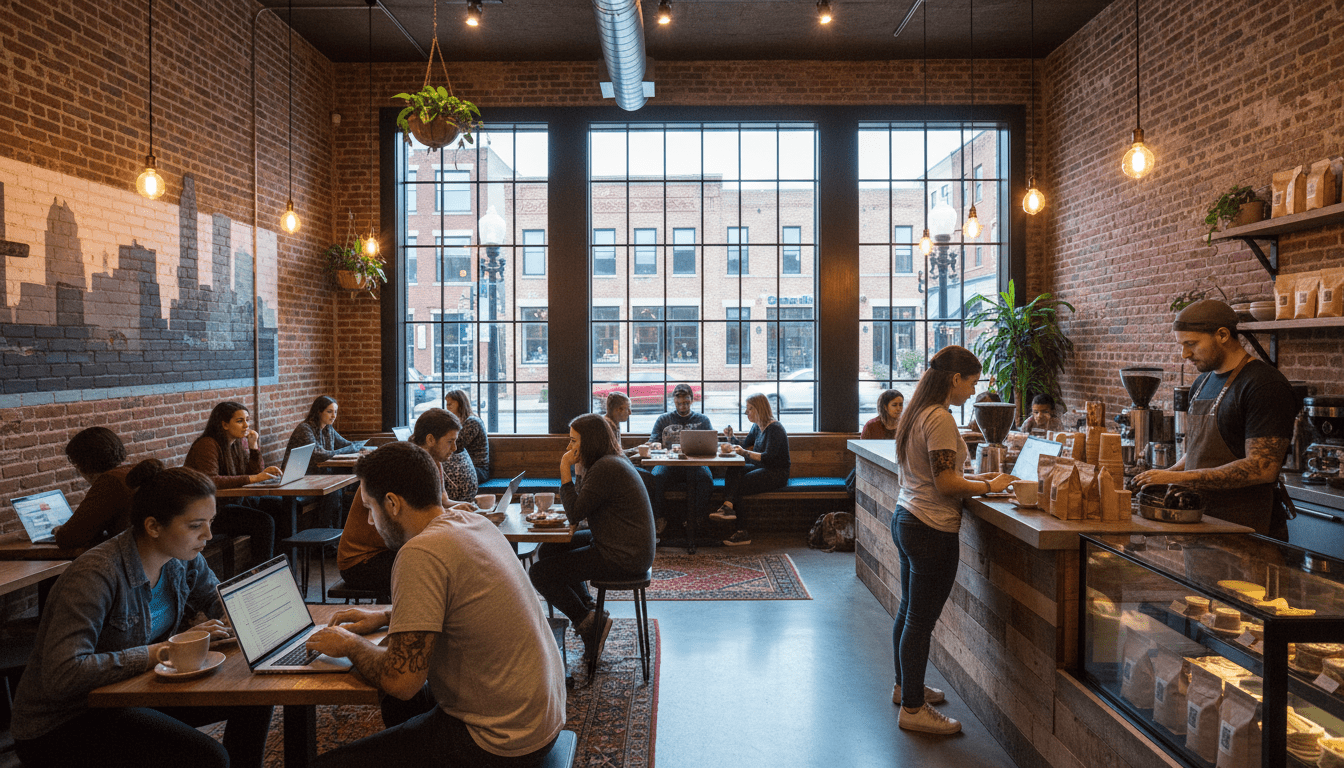
For long-time Detroit residents, the arrival of a local coffee shop offers a tangible improvement to quality of life. It provides a space for remote work, community meetings, and social interaction that does not require leaving the neighborhood. In areas that were previously described as food deserts or lacked commercial diversity, these venues offer a safe, neutral ground for community engagement.
Local neighborhood associations have reported that these spaces often host board meetings, poetry nights, and pop-up markets for other vendors, effectively circulating money within the local ecosystem. Unlike national chains, which may export profits out of state, independent Detroit coffee shops are more likely to source pastries from local bakeries and hire staff who live within walking distance.
Challenges Remain for Owners
Despite the optimistic outlook, owners of coffee shops in Detroit face significant hurdles. Inflation has driven up the cost of green coffee beans and dairy, while labor shortages continue to plague the hospitality industry nationwide. Furthermore, the cost of renovating Detroit’s aging building stock often exceeds initial estimates, requiring owners to navigate complex permitting and construction processes.
The National Coffee Association reported earlier this year that while consumption is at a two-decade high, margin compression is a serious threat to independent operators who cannot rely on the economies of scale available to massive franchises.
Additionally, balancing price points is a delicate act in a city with diverse economic demographics. Owners must price their products to cover rising costs while ensuring they remain accessible to long-time residents, avoiding the alienation often associated with gentrification.
Future Outlook for the Local Scene
Looking ahead, the market for Detroit coffee shops appears to be maturing rather than saturating. The trend is moving toward specialization, with more shops roasting their own beans on-site or partnering exclusively with Michigan-based roasters. There is also a growing emphasis on highlighting the agricultural origins of the coffee, appealing to an increasingly educated consumer base.
Development experts predict that the next wave of openings will likely target areas that have seen residential stabilization but still lack commercial density, such as parts of the East Side and the Grand River corridor. As the city continues its push for walkable neighborhoods, the humble coffee shop remains a key indicator of where Detroit’s development energy is flowing next.
For further analysis on neighborhood trends, see our coverage on Detroit housing market forecasts.