In the shadow of the rising skyscrapers and mixed-use developments transforming the skyline, a quieter, yet significant economic shift is taking place at street level. Detroit bars, particularly those with deep historical roots in neighborhoods like Corktown, the Cass Corridor, and Eastern Market, are experiencing a complex renaissance. This resurgence is not merely about nightlife; it serves as a barometer for the city’s broader economic recovery and the delicate balance between modernization and historical preservation.
While new, polished cocktail lounges are opening at a rapid pace in The District Detroit, there is a parallel trend where investors and local entrepreneurs are pouring capital into preserving the city’s dive bars and historic taverns. According to recent reports from the Detroit Economic Growth Corporation (DEGC), the hospitality sector has been a leading driver in small business growth over the last fiscal year, with liquor license transfers in the downtown area reaching pre-pandemic levels.
This trend highlights a distinct appetite among both locals and tourists for authenticity—a commodity Detroit holds in high supply. However, the revitalization of these spaces brings with it questions regarding accessibility, pricing, and the changing cultural fabric of the neighborhoods they anchor.
The Economics of Nostalgia in Detroit’s Nightlife
The business model for Detroit bars is evolving. Ten years ago, the narrative was often one of survival. Today, it is one of strategic curation. Development firms are increasingly viewing historic watering holes as anchor tenants that drive value to surrounding residential real estate.
Data from the U.S. Census Bureau regarding local business patterns indicates a stabilization in the number of food and beverage establishments in Wayne County after the volatile closures of 2020 and 2021. Yet, the cost of entry has changed. The price of liquor licenses on the secondary market has fluctuated wildly, creating a barrier to entry that favors well-capitalized groups over independent operators.
“The challenge isn’t getting people in the door; the demand is there,” said a representative from a local Corktown business association during a recent town hall on commercial zoning. “The challenge is navigating the rising operational costs—from insurance to property taxes—while trying to keep the price of a beer affordable for the regulars who have been here for thirty years.”
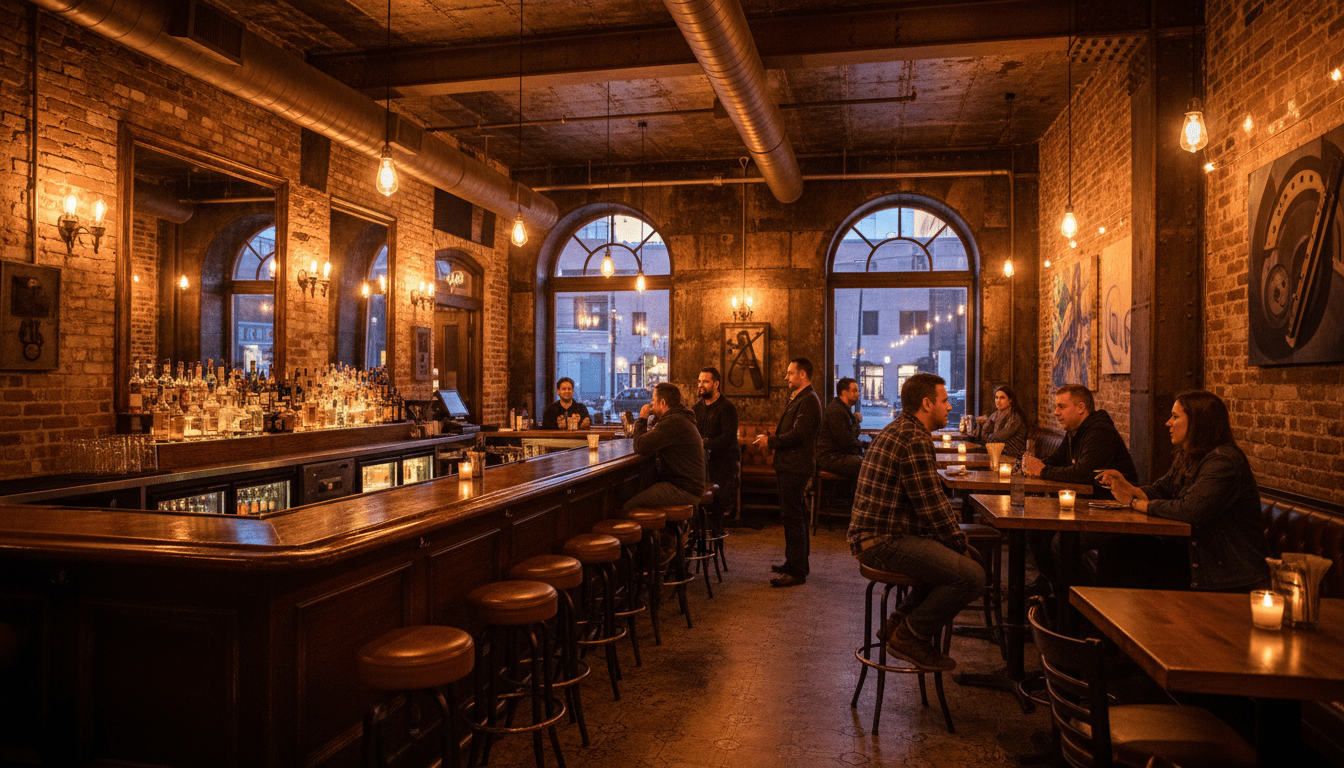
This economic pressure has led to a hybrid model where historic venues are physically restored to their original aesthetic but are operated with modern hospitality standards. This approach secures the architectural legacy of the building but often necessitates a price point that reflects the current market realities of Detroit’s evolving economy.
Impact on Detroit Residents and Neighborhood Identity
For long-time Detroiters, the transformation of local bars is a double-edged sword. On one hand, the restoration of blighted buildings improves street safety, increases property values, and creates service industry jobs. On the other, there is a palpable fear of displacement—not just of residents, but of culture.
When a neighborhood tavern that once served $3 domestic beers is acquired and rebranded, it alters the social dynamic of the block. These spaces often function as “third places”—community hubs distinct from home and work. If the price point shifts exclusively toward the luxury market, the demographic utilizing that space shifts with it.
Local community boards in Midtown have expressed concerns that while they welcome the reduction in vacancy, they want to ensure that Detroit bars remain accessible to the workforce that powers the city, not just the suburban crowds visiting for sporting events. The tension lies in the fact that these businesses need the higher margins provided by the influx of visitors to survive the lean winter months.
According to the Detroit Free Press, several longstanding establishments have successfully navigated this by maintaining “locals hours” or specific community events, bridging the gap between the new downtown workforce and the established residential base. This strategy suggests that the most successful venues are those that can serve multiple versions of Detroit simultaneously.
Development Data and Industry Trends
The trajectory of Detroit bars is closely tied to the broader infrastructure projects connecting the city’s districts. The expansion of the QLINE and the projected improvements in regional transit are making it easier for patrons to move between entertainment districts, effectively expanding the customer base for businesses that were previously isolated.
Statistics from local real estate brokerages show that commercial rents in areas adjacent to the Little Caesars Arena have risen steadily, yet vacancy rates for retail and hospitality spaces remain competitive compared to other Midwest hubs like Chicago or Minneapolis. This creates a unique window of opportunity for investment, provided the operators understand the local landscape.
Furthermore, the rise of the “entertainment district” designation allows for open container social zones, a policy change that has boosted revenue for bars in participating areas like Greektown and Downtown. This regulatory flexibility is a clear signal from the city government that the hospitality industry is viewed as a pillar of the Detroit development strategy.
What Happens Next for the Hospitality Scene
Looking ahead, the sustainability of this boom will depend on the broader economic health of the region. With major events like the NFL Draft having shone a national spotlight on the city, local business owners are optimistic but cautious. The consensus is that the “sugar rush” of major events provides temporary capital, but long-term survival requires a consistent local customer base.
We can expect to see further consolidation where hospitality groups acquire multiple historic venues to centralize operations and reduce overhead. Additionally, the regulatory environment regarding outdoor seating—popularized during the pandemic—is likely to become a permanent fixture, altering the architectural footprint of Detroit’s avenues.
Ultimately, the story of Detroit bars is the story of Detroit itself: a narrative of resilience, adaptation, and a deep respect for history, even as the city builds toward a new future.