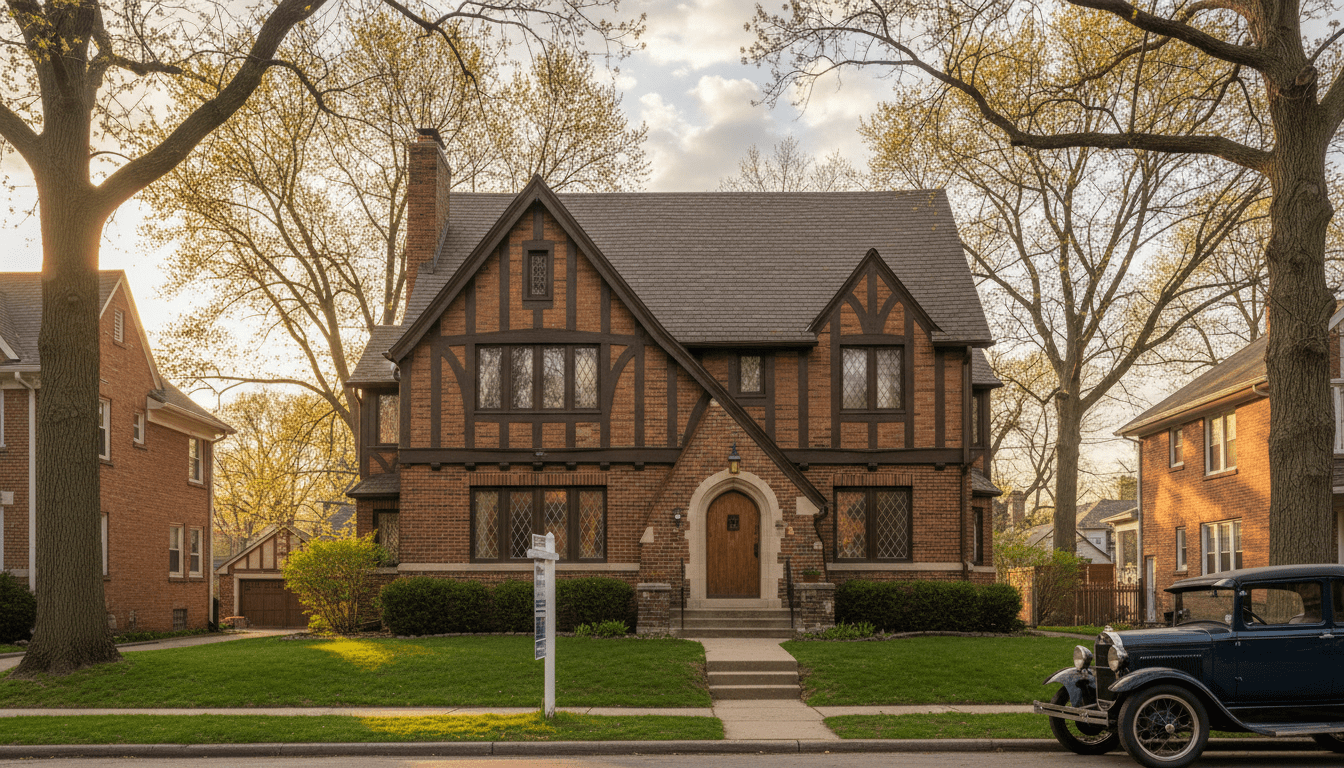
As the winter frost recedes in Southeast Michigan, the Detroit home buying season is officially underway, signaling a critical period for both prospective buyers and sellers in the city’s evolving real estate landscape. While national trends point toward a stabilization of interest rates, Detroit’s unique market dynamics—characterized by a stark contrast between move-in ready homes in historic districts and rehabilitation opportunities via the Land Bank—present a complex scenario for the spring market.
Real estate analysts and local housing advocates are closely monitoring this season’s activity, noting that while inventory remains tight in highly coveted neighborhoods like Palmer Woods, Corktown, and the University District, emerging neighborhoods are seeing increased foot traffic from first-time homebuyers.
Spring Market Overview: Supply vs. Demand
Historically, spring is the busiest time for real estate in the Motor City. However, data from early Q1 suggests that this year’s Detroit home buying season is defined by a persistent lack of inventory for traditional, move-in-ready mortgages. According to recent housing data, the number of active listings on the Multiple Listing Service (MLS) in Detroit has not kept pace with the demand from buyers seeking turnkey properties.
Local real estate agents report that well-maintained brick colonials and bungalows priced under $150,000 are often receiving multiple offers within days of listing. This compression is driving competitive bidding wars, a trend that was rampant during the pandemic and has returned as buyers rush to lock in properties before potential rate shifts later in the year.
Conversely, the Detroit Land Bank Authority continues to hold a significant inventory of structures requiring renovation. While these properties offer a lower entry price, the cost of labor and materials for rehabilitation remains high, creating a bifurcation in the market: cash-heavy investors or buyers utilizing renovation loans (like the FHA 203k) versus traditional buyers competing for a shrinking pool of finished homes.
Impact on Detroit Residents
For long-time Detroit residents, the intensifying spring market brings mixed implications. Rising property values are a boon for existing homeowners, increasing equity that has been stagnant in many zip codes for over a decade. This rise in value is essential for closing the appraisal gap—a long-standing issue in Detroit where the cost to renovate a home often exceeded its post-renovation appraised value.
However, for renters looking to transition to ownership, the barriers are significant. The shortage of affordable, habitable stock means many residents are being priced out of the neighborhoods they currently live in. As competition heats up, cash offers from out-of-state investors often displace local families relying on FHA or VA financing, which typically require stricter inspection contingencies.
“The challenge isn’t just finding a house; it’s finding a house that qualifies for a standard bank mortgage,” noted a representative from a local housing non-profit during a recent community development meeting. “When inventory is this low, the local buyer utilizing down payment assistance often finds their offer at the bottom of the pile compared to cash buyers.”
Financing and Assistance Programs
Recognizing the hurdles of the Detroit home buying season, state and local agencies are emphasizing the availability of financial aid. The Michigan State Housing Development Authority (MSHDA) continues to offer down payment assistance (DPA) programs up to $10,000 for qualifying zip codes, which covers the majority of Detroit.
Furthermore, the Detroit Down Payment Assistance Program provides grants to qualifying residents who have lived in the city for at least 12 months. These initiatives are designed to level the playing field, allowing legacy residents to compete against investors. City officials have urged potential buyers to get pre-approved for these programs early, as processing times can slow down during the peak spring months.
For more on local development and how it affects property values, read our coverage on upcoming Detroit development projects impacting residential zones.
Neighborhood Trends to Watch
Real estate activity is not uniform across the city’s 139 square miles. While Midtown and Downtown continue to command the highest prices per square foot, the real story of this spring is the stabilization of middle-market neighborhoods.
- Bagley & Fitzgerald: These areas are seeing robust activity due to the “Fitz Forward” revitalization efforts and strong block club engagement. Prices here have seen steady, sustainable growth.
- East English Village: Offering a similar aesthetic to Grosse Pointe at a more accessible price point, this neighborhood remains a top target for families.
- Islandview: With its proximity to Belle Isle and the Riverwalk, Islandview is experiencing speculative buying, though long-term residents are wary of rapid tax assessment increases.
For a deeper dive into specific community dynamics, see our report on the revitalization efforts in the Bagley neighborhood.
Data and Future Outlook
Data from the Southeast Michigan Council of Governments (SEMCOG) indicates that while residential building permits are up, the timeline for new construction to hit the market is slow. Therefore, the reliance on existing stock will continue to drive the narrative for the remainder of 2024.
Economists predict that if the Federal Reserve opts to cut interest rates later in the year, the demand seen this spring could intensify into the summer and fall. For now, the advice for buyers in Detroit is consistent: be prepared to move quickly, have financing fully underwritten, and consider neighborhoods adjacent to hot spots for better value.
As the trees bloom along the boulevards, the Detroit real estate market is waking up. Whether this season results in increased homeownership for Detroiters or further consolidation by investors will depend heavily on the availability of move-in-ready inventory and the effective deployment of borrower assistance programs.